
INTRODUCTION
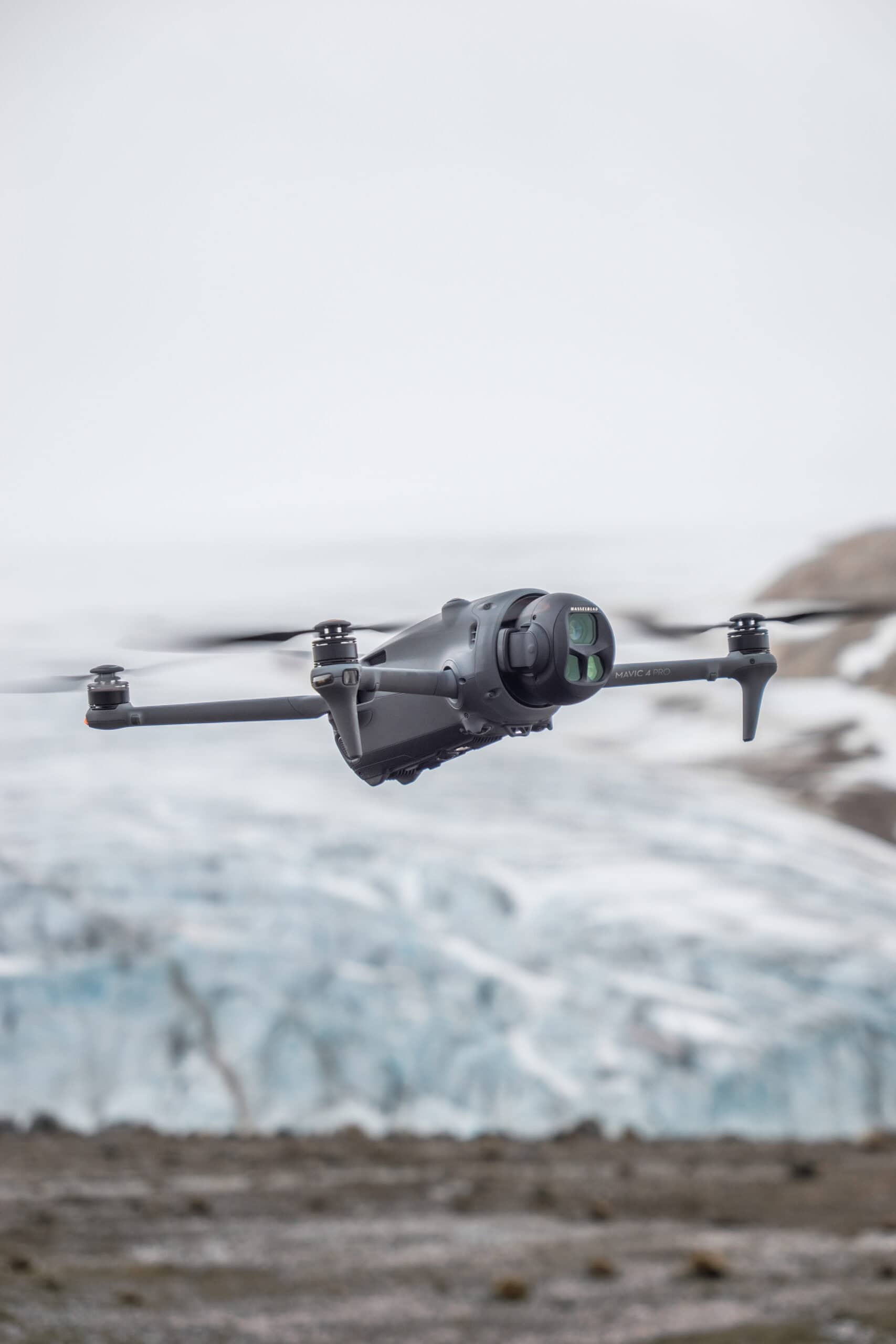
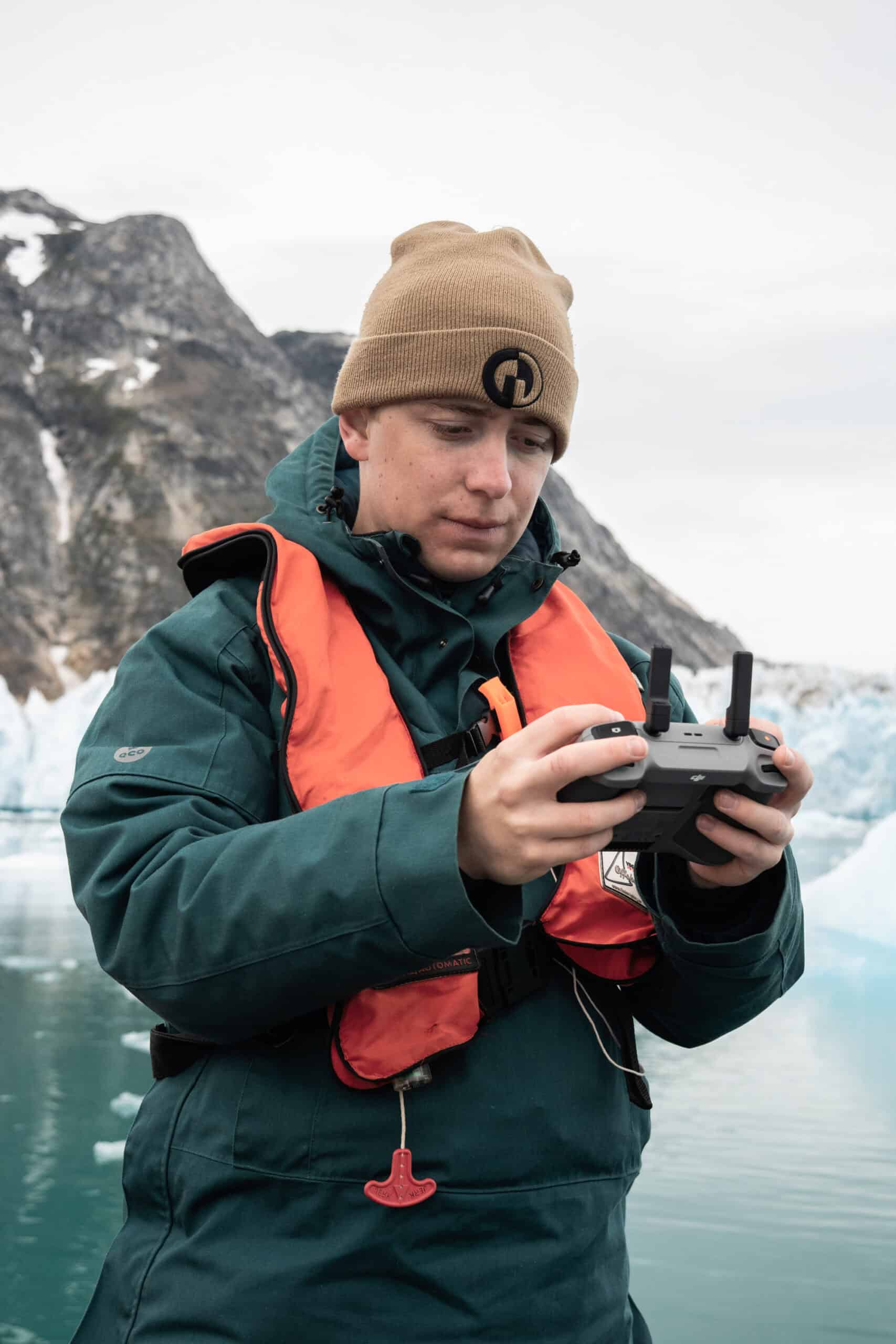
My name is Louis Eriksen, and I run Arctic Drone in Sisimiut, Greenland’s second-largest town. I have been flying drones since 2014 and now work professionally with aerial photography, videography, and with training new dronepilots.
Since moving to Greenland in 2023, I have worked on a big variety of exciting projects, collaborating with big musicians, researchers, tourism, and businesses. Through my work, I have experienced some of the most spectacular landscapes in the world from the air, and Greenland in particular has left a lasting impression on me.
What makes East Greenland so special?
I have traveled to many fascinating places around the world with my drone, but Greenland remains the most impressive destination I have ever visited – and the east coast stands out above all.
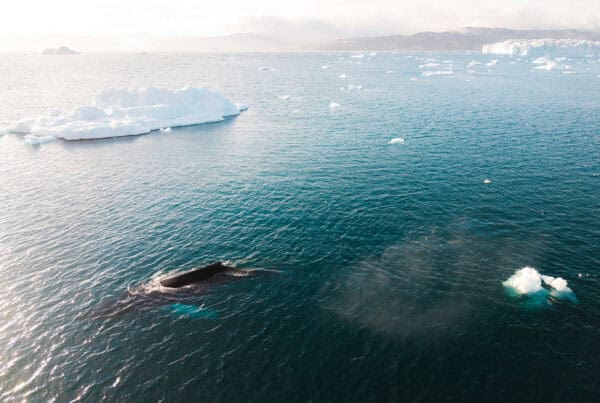
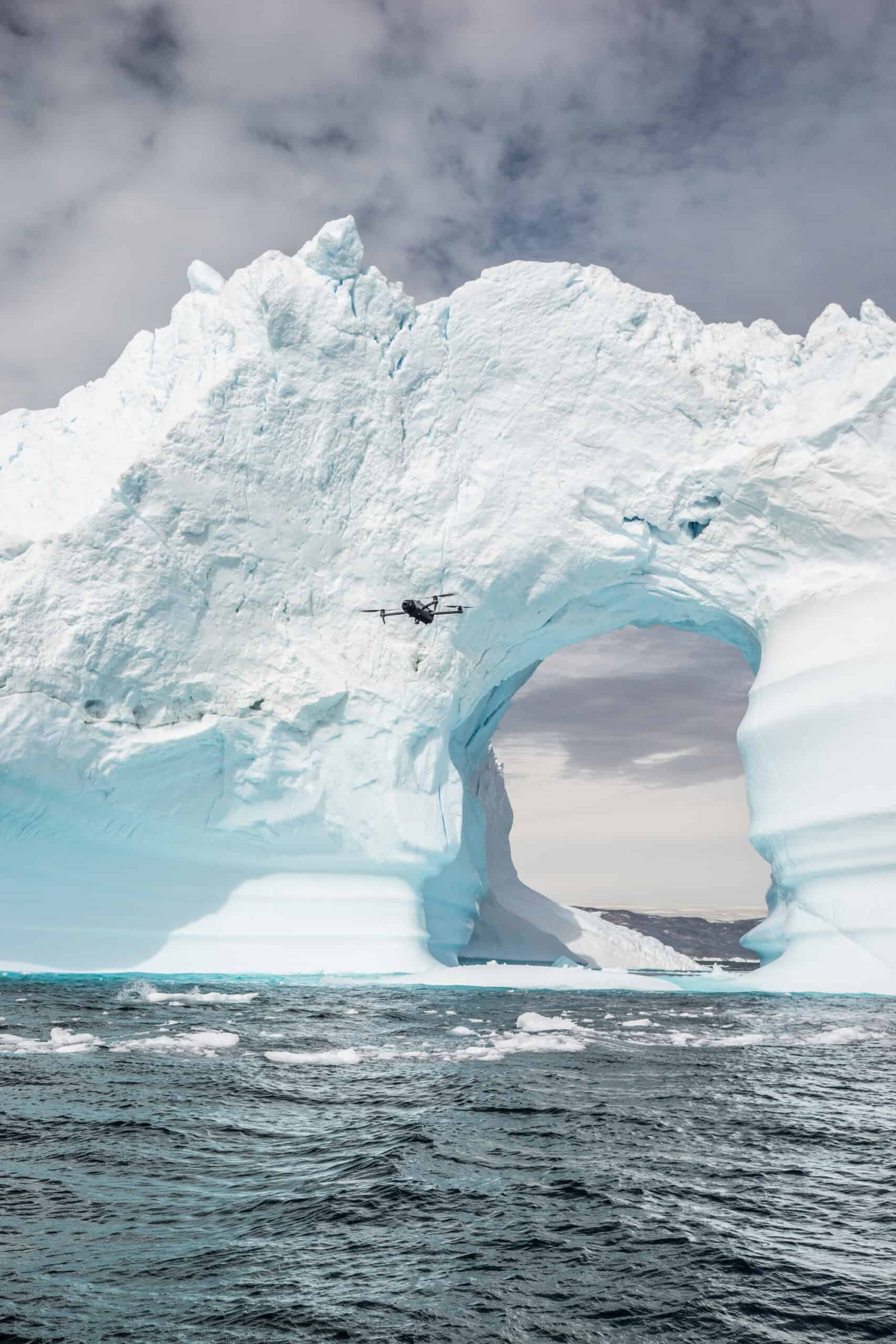
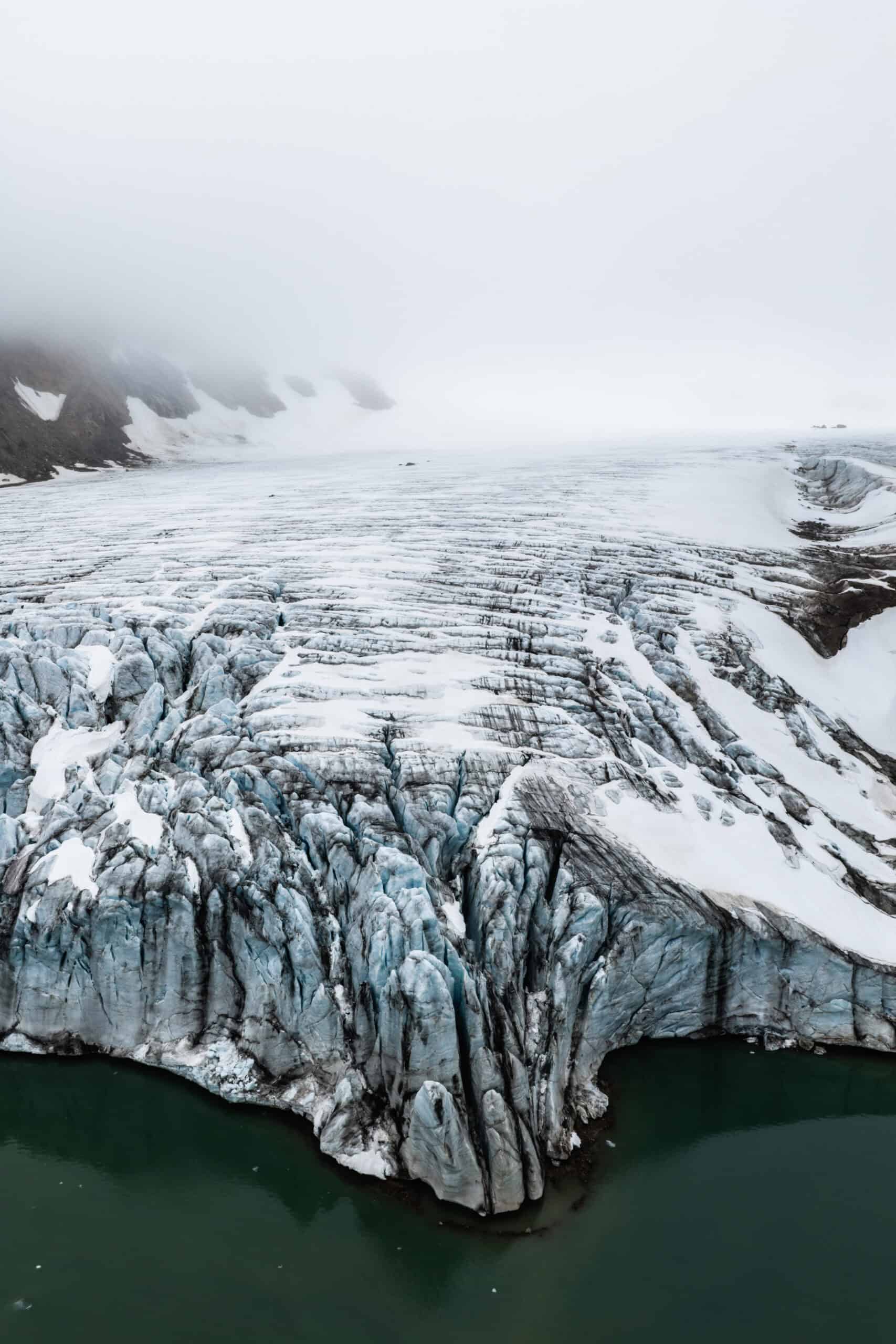
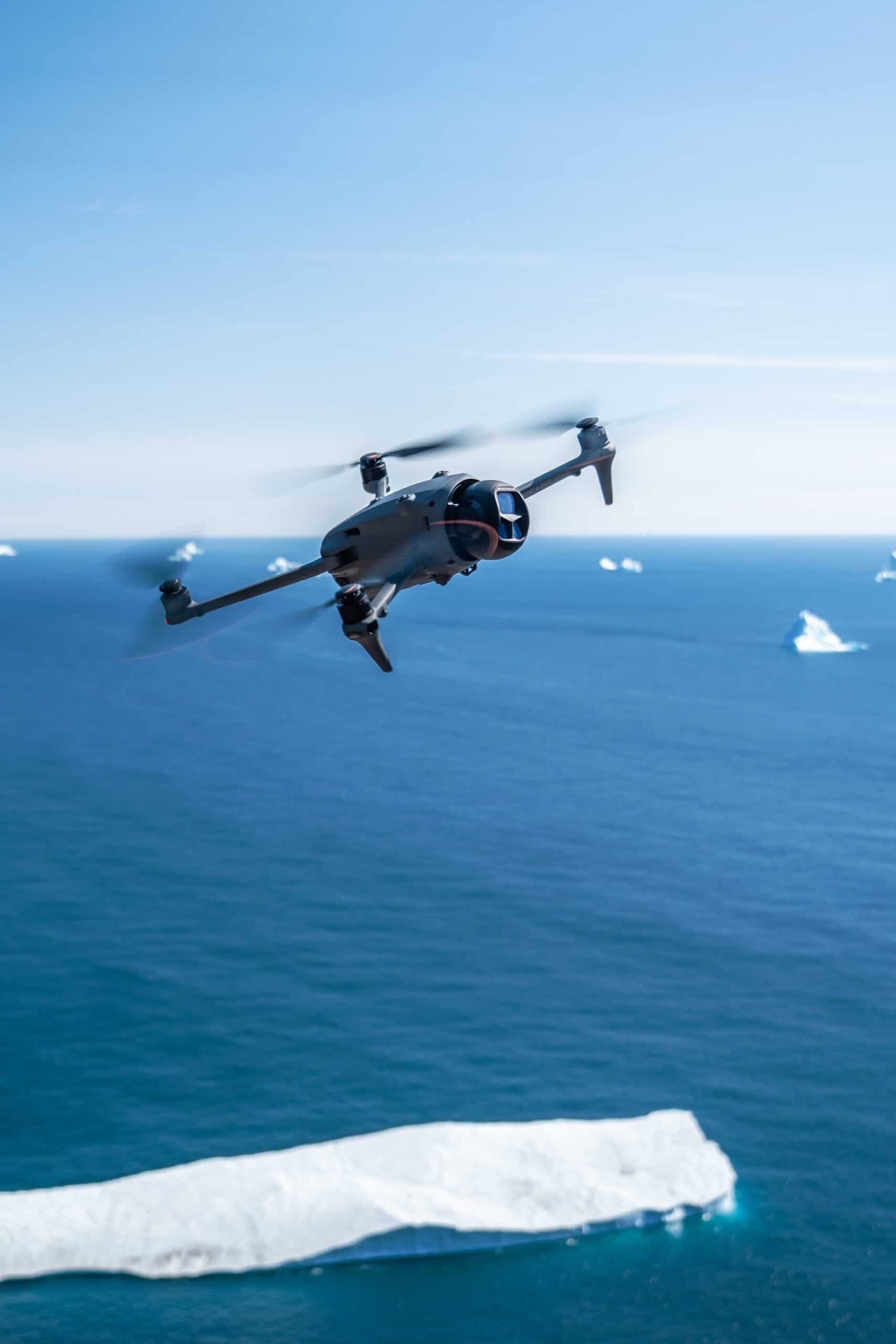
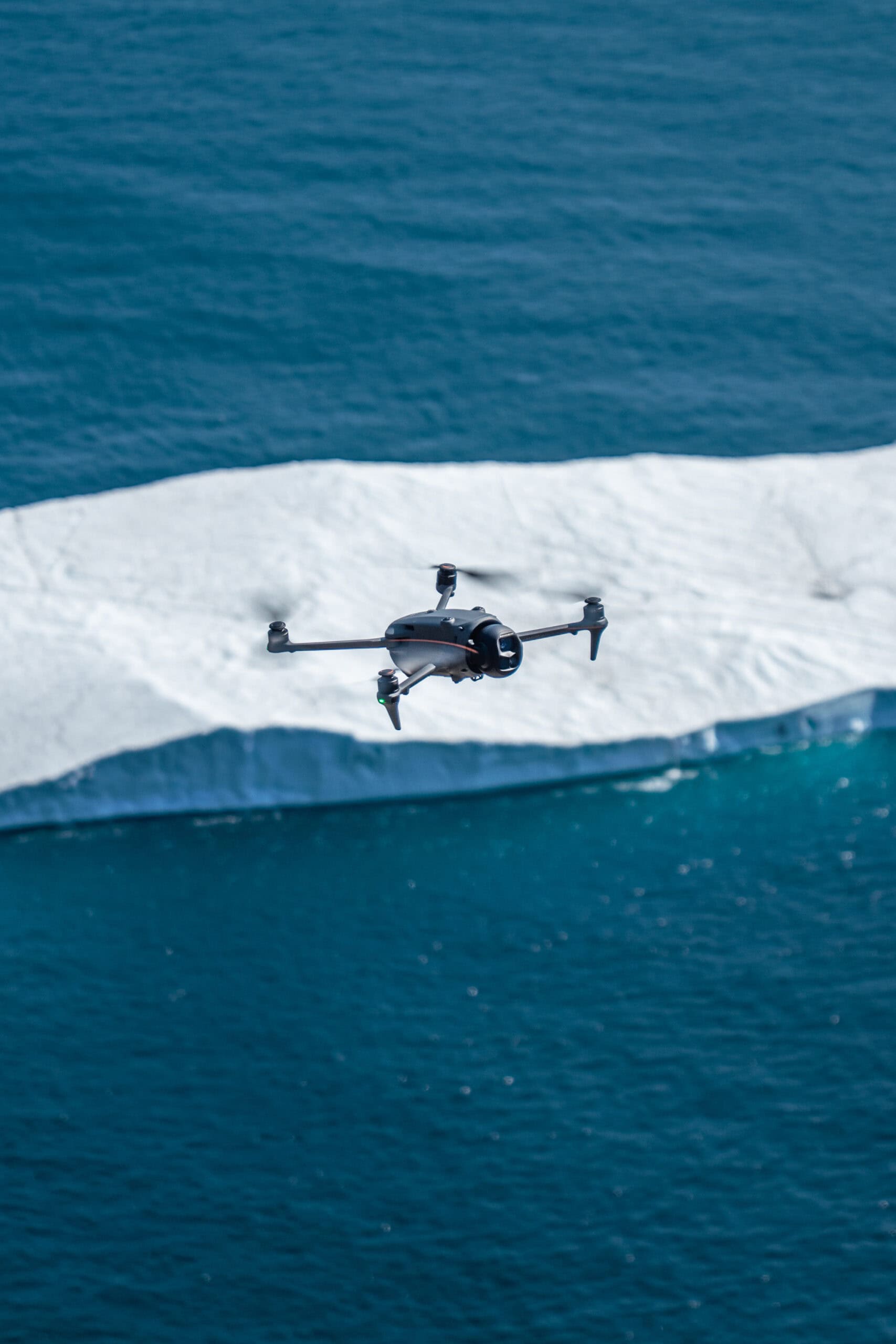
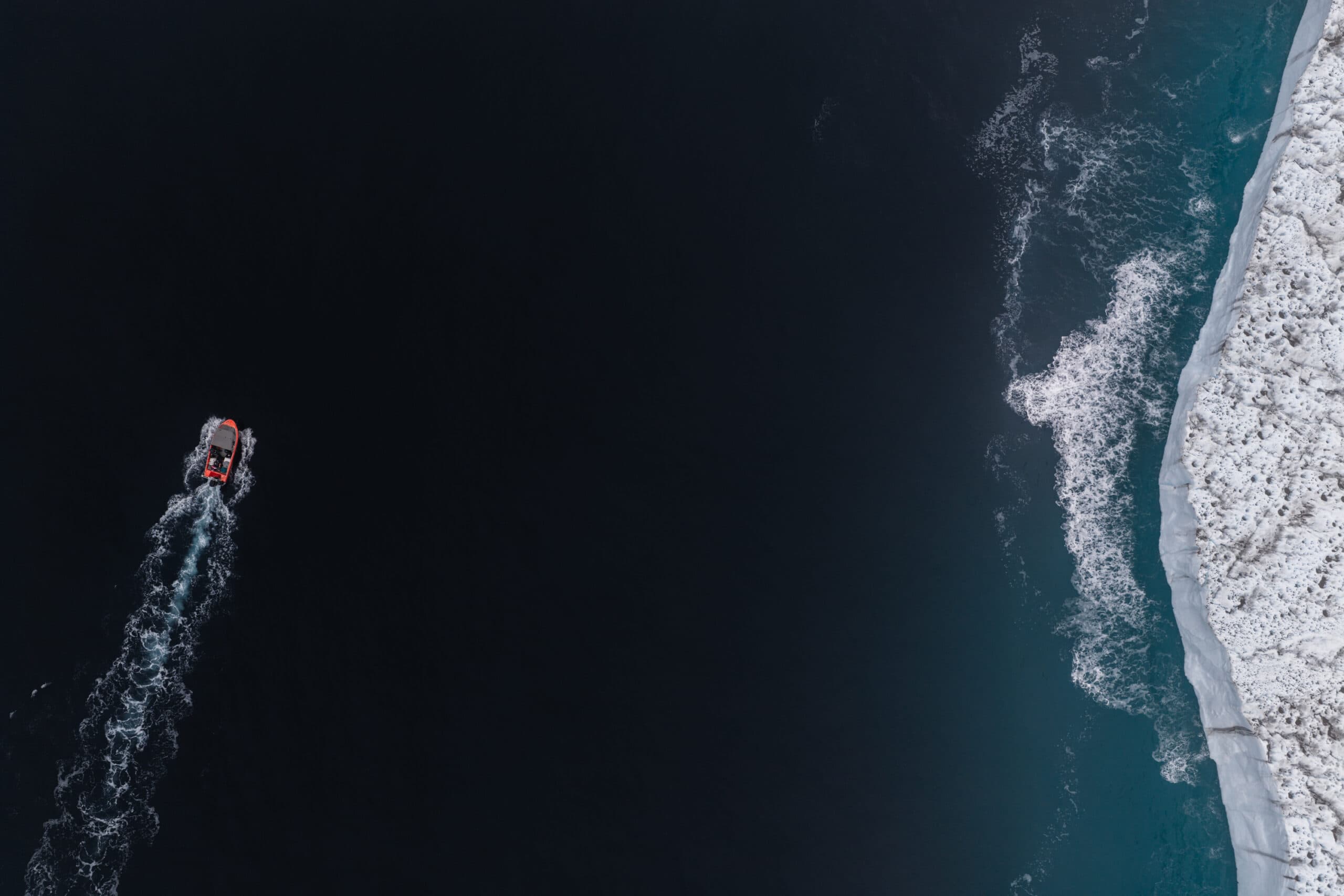
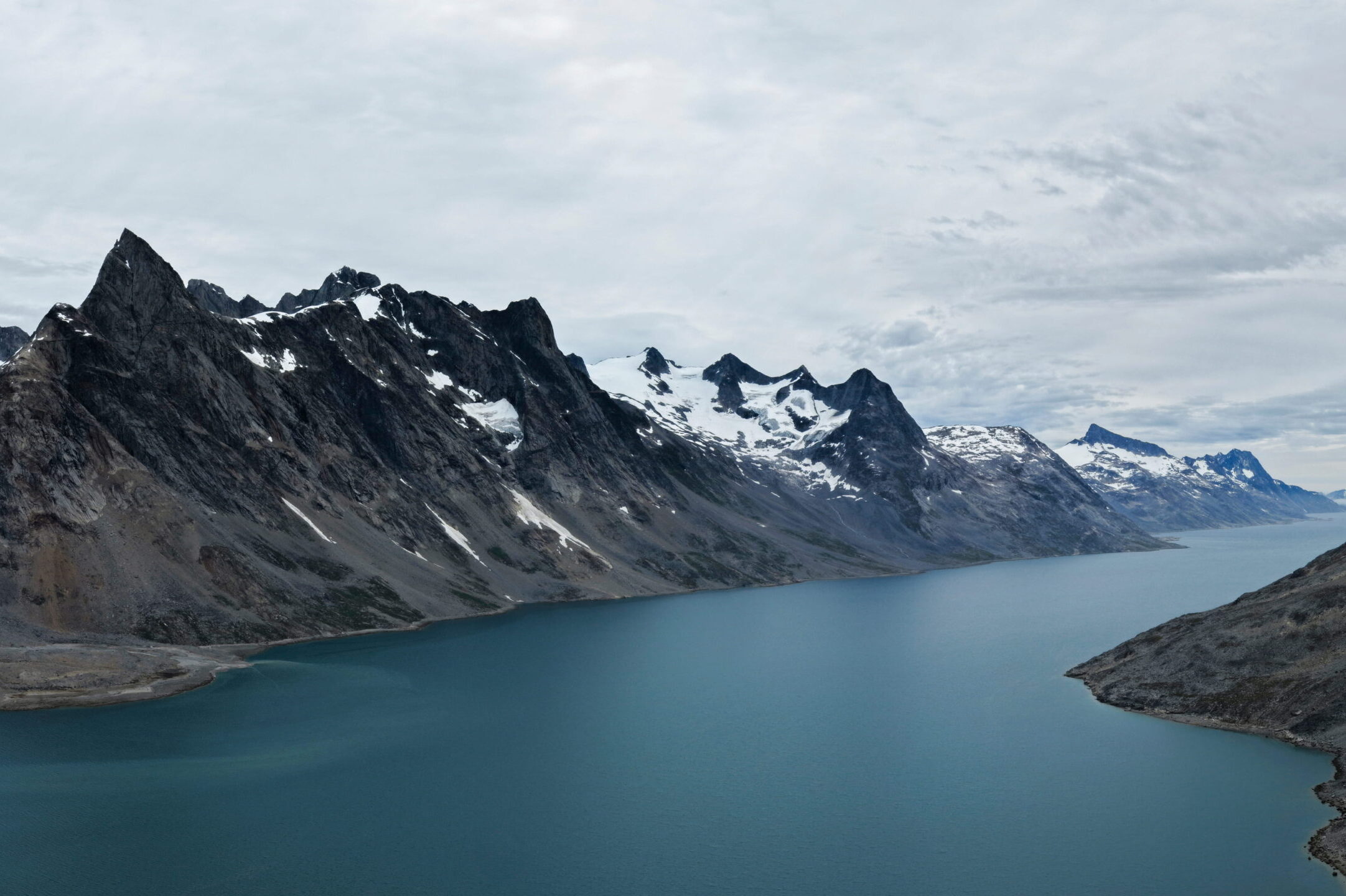
A drone allows you to experience the landscape from an entirely new perspective. From the air, the enormous icebergs become even more impressive, and you gain a much better understanding of the scale of the fjords and mountain ranges. Also seeing the massive glaciers wind their way between the dark mountains, creating landscapes that often seem almost unreal.
FROM THE AIR
What can you experience with a drone?
01
The world's largest fjord systems
02
Giant icebergs
03
Unique Arctic lighting conditions
04
Areas that are almost untouched by human activity
05
Rich and diverse wildlife
KNOW BEFORE YOU FLY
Drone regulations in Greenland
Greenland does not follow the European Union’s drone regulations. Therefore, European drone certificates, C-class markings and drone under the weight of 249 grams, do not automatically apply in the same way as they do within EU countries. When operating a drone in Greenland you are obligated to follow the regulations BL9-4 in the Aviation Act.
In practice, this means that recreational drone flights are not permitted in urban areas. In East Greenland, all inhabited areas are located within 5 km of an airport, heliport or helipad, where restrictions on drone operations apply. Exceptions may be granted for professional operations, subject to prior approval through a dispensation.
KNOW BEFORE YOU FLY
100 m
150 m
5 km
Permits
BE PREPARED
Challenges of flying drones in the Arctic
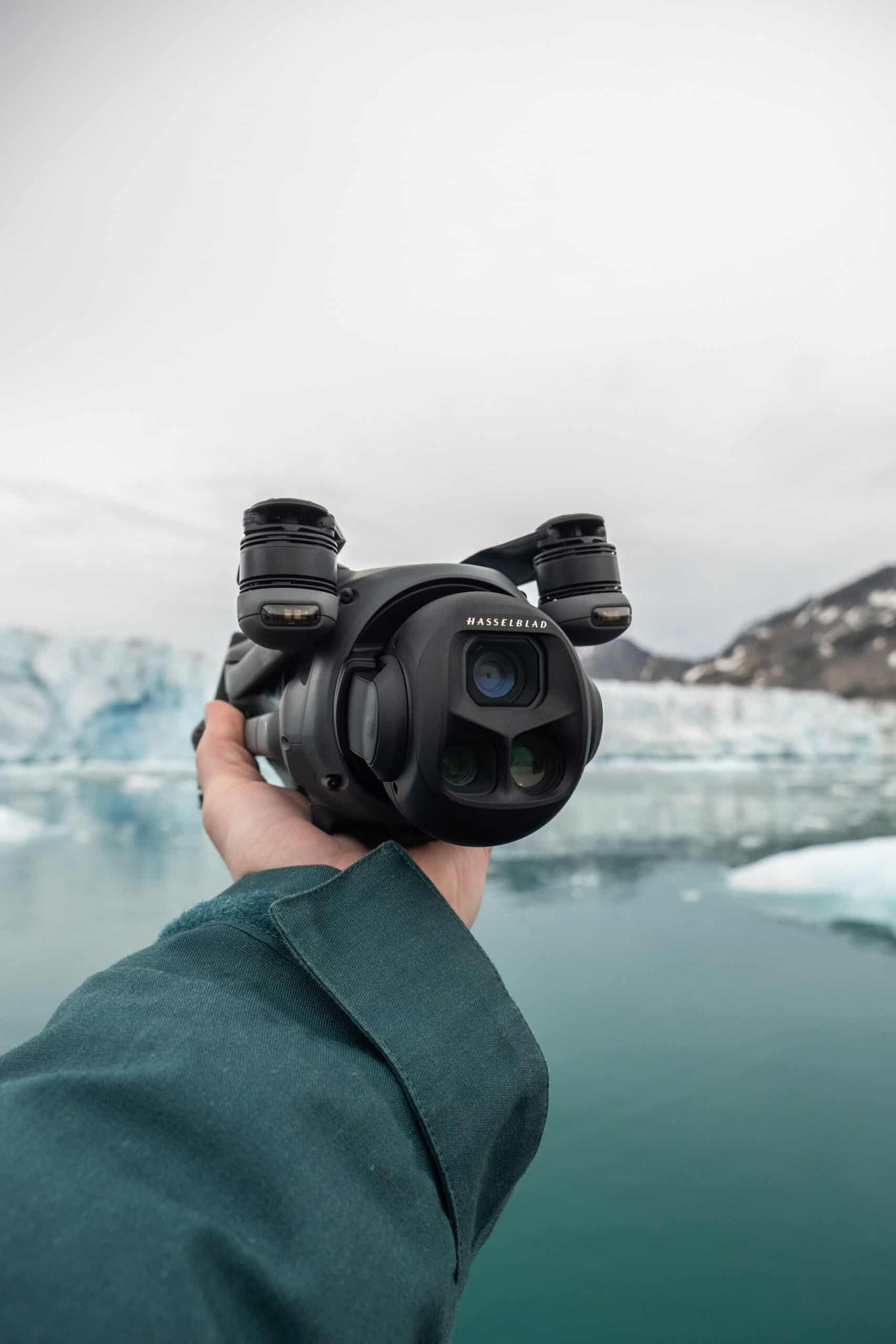
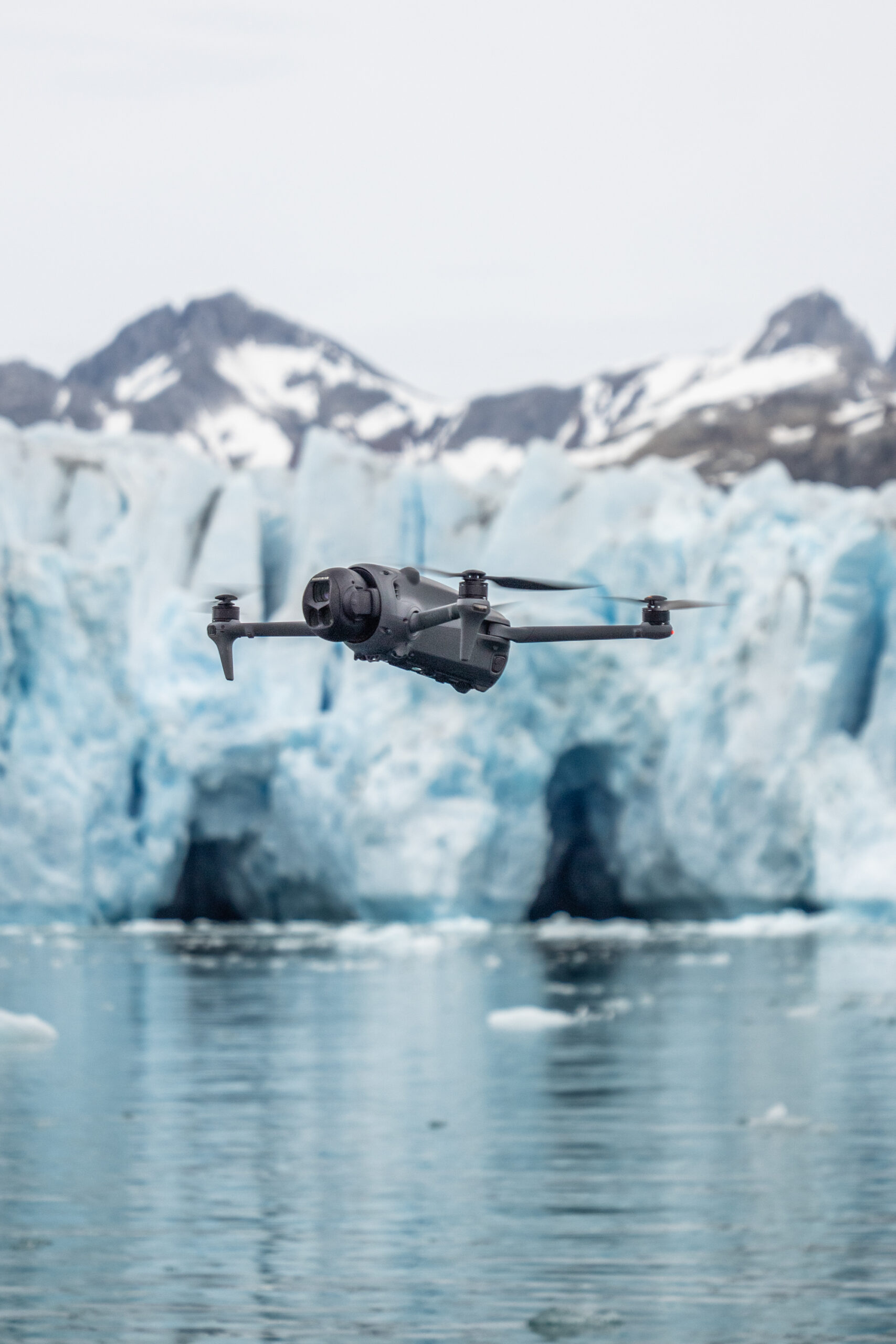
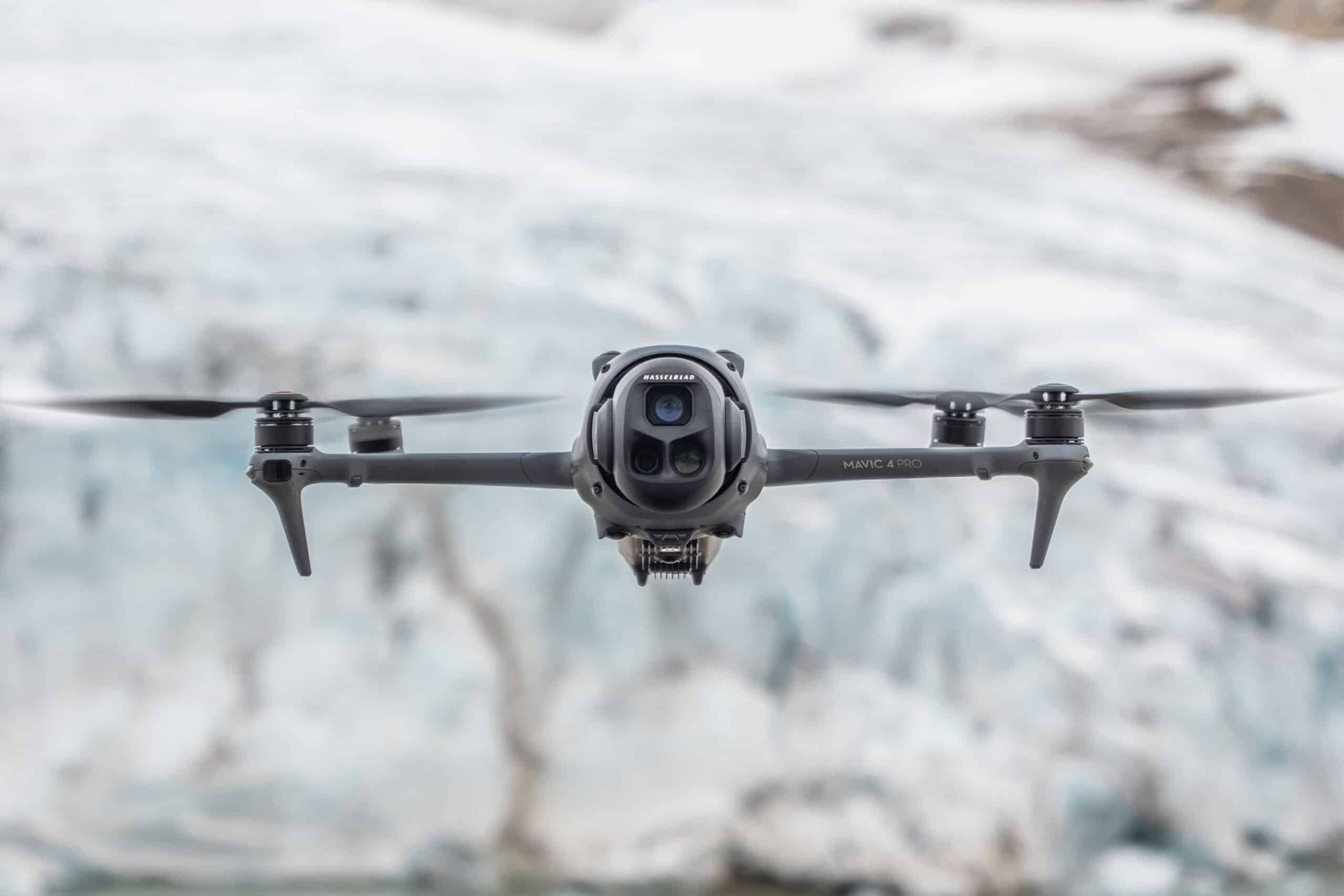
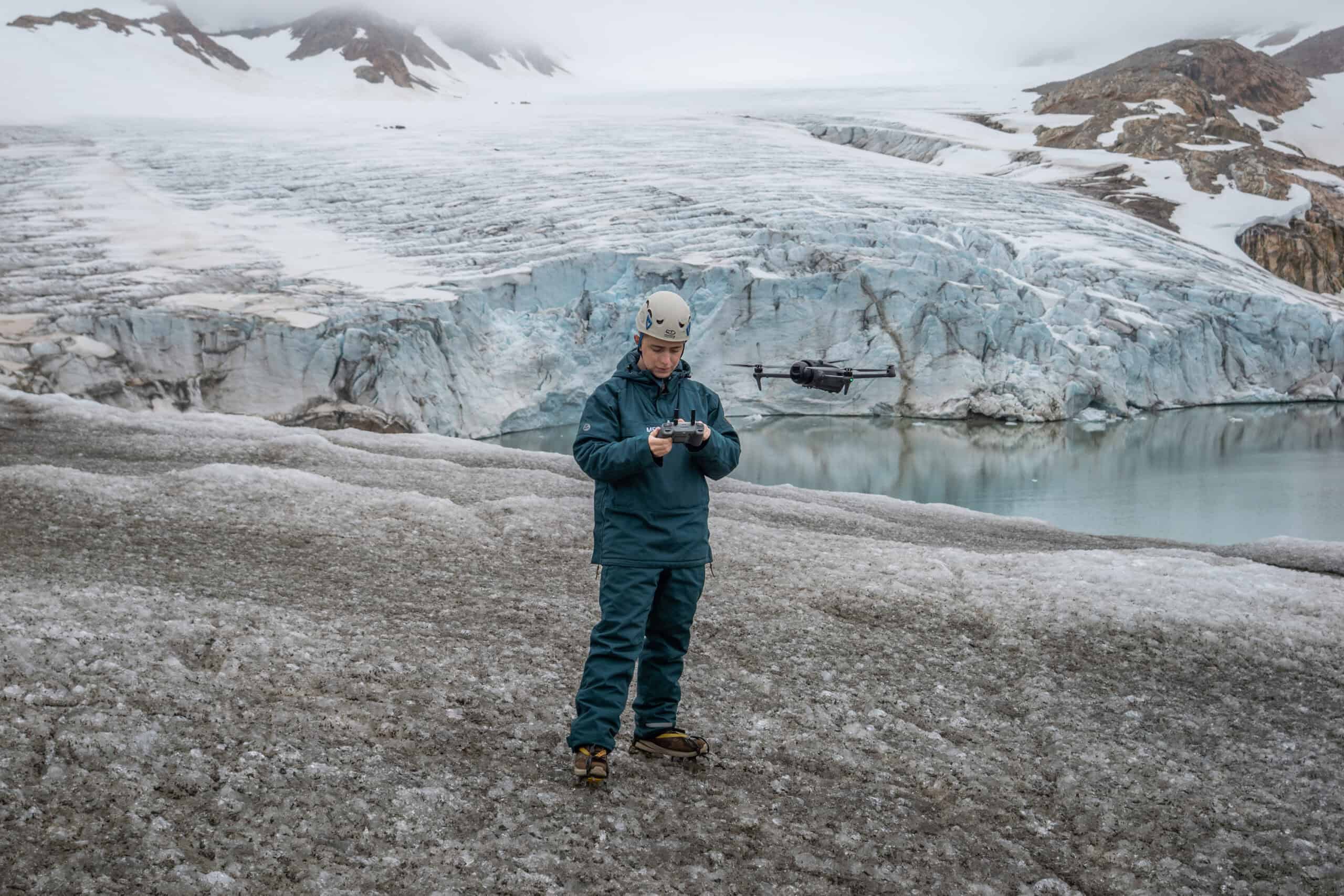
Flying drones in Greenland can be very challenging. Temperatures can be low, winds can be strong, and many flights take place from boats. Good preparation is therefore essential, for a good experience!
01
Batteries
Drone batteries lose capacity in cold weather, so it is always important to keep them warm until you are ready to fly. Store them in an insulated bag or inside your jacket whenever it is possible.
Many modern drone batteries have temperature limitations, and in some cases the drone may refuse to take off if the battery’s core temperature is below approximately 15°C (59°F). For this reason, it is very important to launch the drone quickly after removing the battery from your jacket, or another kind of warm storage place.
02
Compass interference
Due to iron-rich rocks, a drone’s compass can be affected in certain areas. This may result in compass warnings, unstable flight behavior, or in rare cases unwanted circular flight patterns, depending on how old the drone is and where you fly.
To reduce the risk, calibrate the compass before flying and avoid taking off directly from the ground. Many pilots prefer hand launches or elevated takeoff points, fx a hardcase, to minimize magnetic interference.
The risk is worst during takeoff, and when flying very low close to the ground – therefore you should always keep an extra eye on the drone after takeoff.
03
Weather conditions
In Greenland, you can experience almost every type of weather. Rain is generally a no-go for drone flying, but you may also encounter strong winds, fog, and snowfall.
Most modern drones can handle relatively strong winds, but battery capacity increases in strong wind, and takeoffs and landings become more difficult – especially from boats or narrow takeoff spots.
Snow is not necessarily a problem. If temperatures remain below freezing, the snow is often dry and will not melt on the drone. After the flight, it can usually be brushed off without issue.
Fog in cold conditions, however, should be avoided! If temperatures are near freezing, water from the fog may freeze on propellers, and it can lead to crash.
ON THE WATER
Flying from a boat
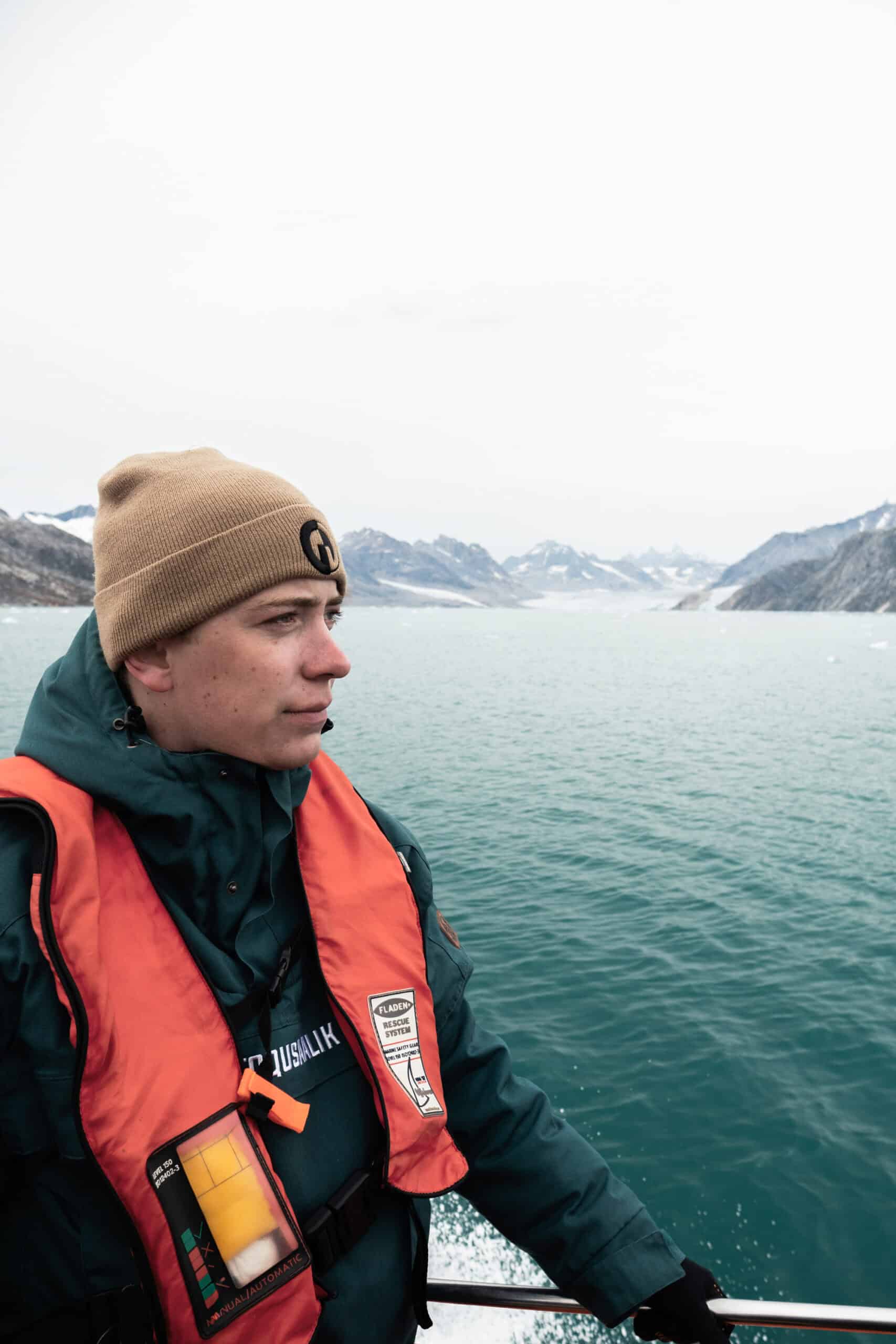
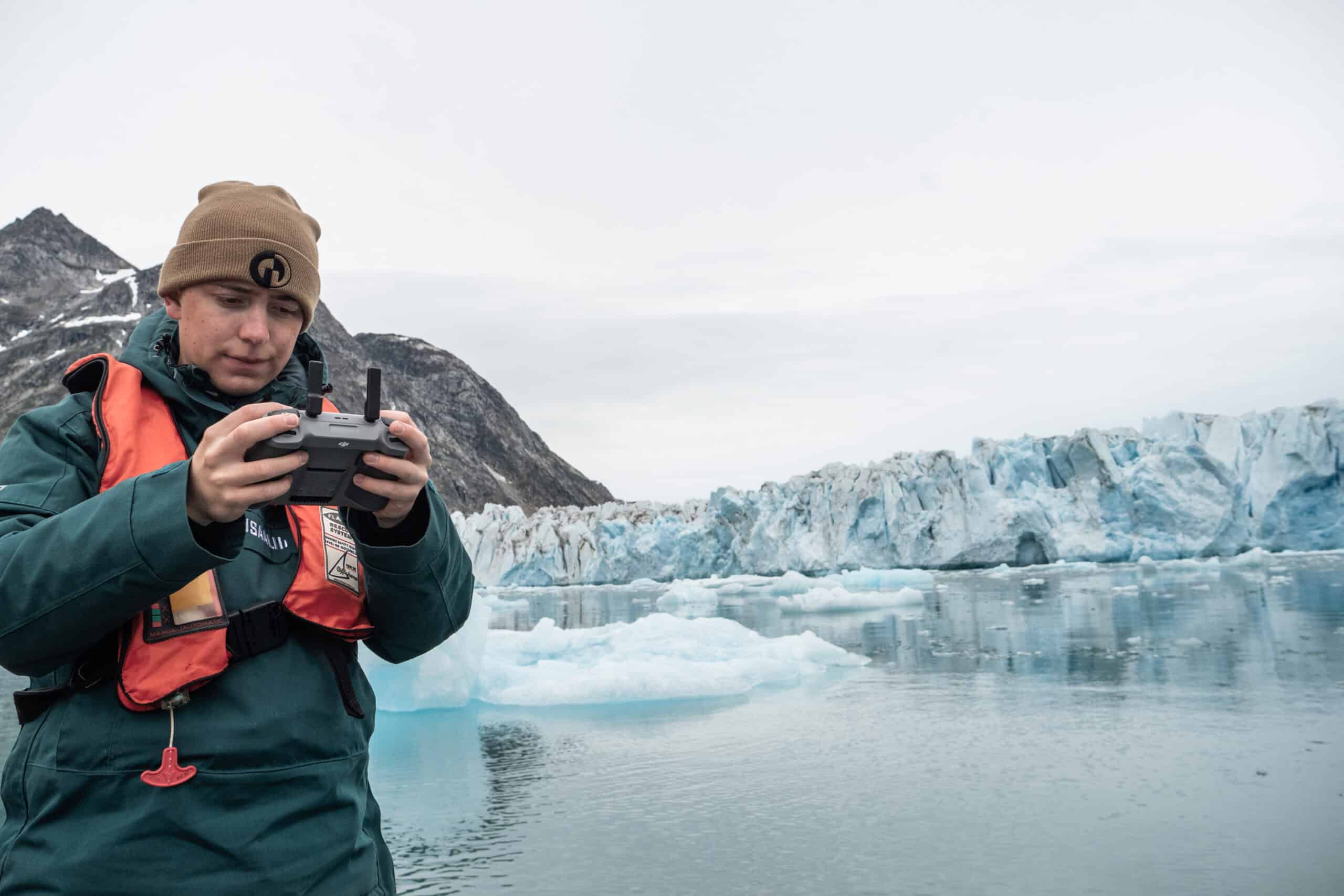
If you plan to fly from a boat, it is important to consider, both the movement of the boat and the direction of the wind.
Whenever possible, stand in a sheltered location and maintain a safe distance from masts, antennas, and other big equipment on the boat that you can potentially crash into. If the boat is moving forward, it is best to launch from the back of the boat, so the drone drifts away from the boat during takeoff.
Always leave yourself plenty of battery for landing. This allows you to wait for a calm moment between waves and complete a safe landing..
On smaller boats, hand launching and hand catching are often the safest options. The drone can become confused by the movement of the boat, and automatic landing systems do not always perform reliably on a constantly moving deck, and can therefore make the drone confused, and result in the drone starting lifting up, or doing some uncontrollable things…
Photo – Louis Eriksen, Arctic Drone
PACKING LIST
Recommended equipment
- Thin gloves for operating the controller in cold weather
-
Extra batteries and preferably a power bank
-
A microfiber cloth for cleaning lenses and sensors
- ND filters for bright snow and strong sunlight
-
Spare propellers
-
Plenty of SD cards
RESPONSIBILITY
Respect for nature and wildlife
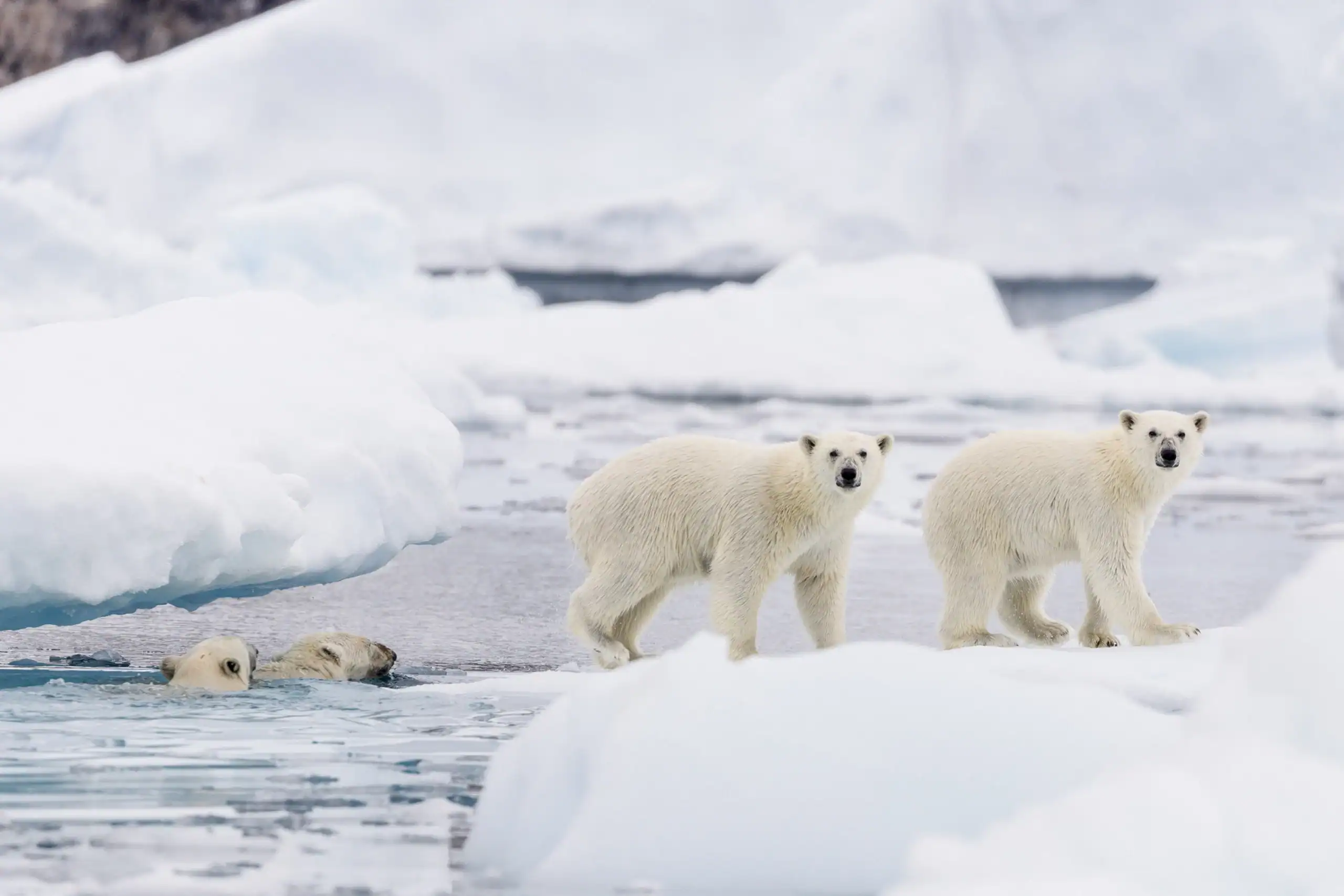
Greenland is home to unique wildlife, and drones provide great opportunities to document the wildlife. At the same time, drone pilots have a responsibility not to disturb animals.
Always maintain a safe distance from birds, seals, whales, musk oxen, and other wildlife. If an animal changes its behavior because of the drone, you know you are too close.
Polar Bears
Special rules apply to polar bears. Greenlandic regulations prohibit using drones to film polar bears. If you are in areas where polar bears may be present and want to film them, it is strongly recommended to use cameras equipped with a powerful zoom.
Photos by Louis Eriksen, Arctic Drone


Plan Your Trip
Plan your East Greenland adventure, tapping into local knowledge, expert tips, and essential planning tools.
Towns & Settlements
Explore East Greenland’s quaint towns and remote settlements, discovering unique landscapes, rich culture, and rugged Arctic beauty.
Tour Providers
Once you’ve chosen your adventure, book your East Greenland journey through local operators or plan it independently.
Articles
Read through our curated articles about East Greenland, deepening your insight into its seasons, traditions, and wonders.
Resources
Discover East Greenland’s essential resources and planning tools, ensuring deeper insights, trusted guidance, and a fulfilling adventure.