
What to Expect and How to Prepare
Greenland has mosquitoes. It’s nothing to worry about, but it’s something every visitor should be aware of.
Two species – Aedes nigripes and Aedes impiger – have adapted to Arctic life over thousands of years, surviving extreme winters and emerging briefly during the short summer. They produce just one generation per year, with their entire adult life compressed into a few weeks.
In East Greenland, the experience is different. Steep fjords and rugged terrain mean fewer breeding grounds than in the west, where places like Kangerlussuaq are known for dense mosquito swarms. Around Tasiilaq and Ittoqqortoormiit, coastal winds often keep numbers down.
Still, in sheltered valleys and low-lying areas, mosquitoes can be noticeable at peak season. In East Greenland, this typically runs from late June to August – before the first frosts in September bring a sudden end.

Different Types: Mosquitoes and Midges
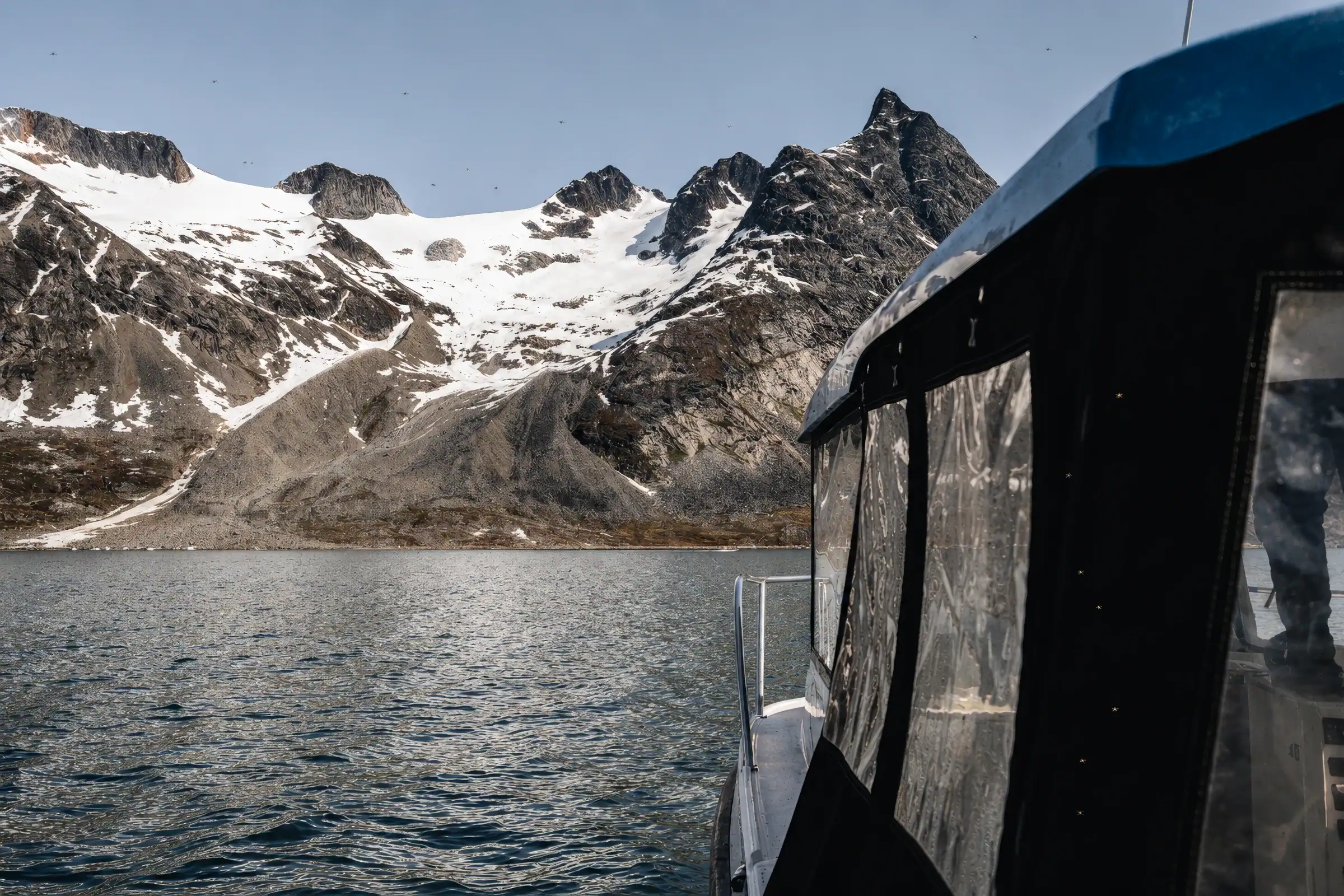
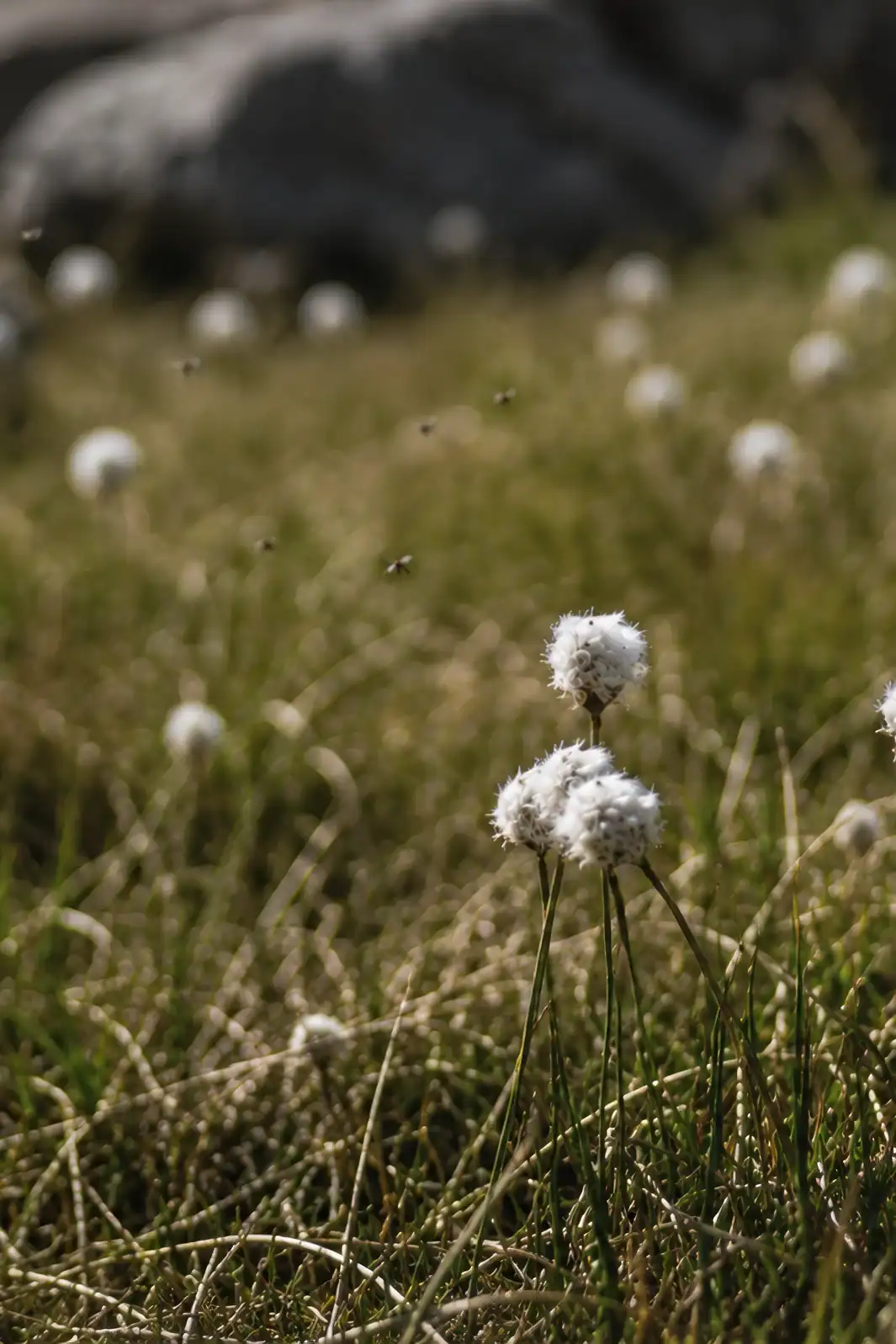
Most people who visit East Greenland in summer will encounter two different kinds of biting insects, often at the same time. Understanding the difference matters in practice: a calm, warm July day in the Flower Valley, Tasiilaq, may bring both at once. A windy, cooler day along the open coast will likely bring neither.
Mosquitoes
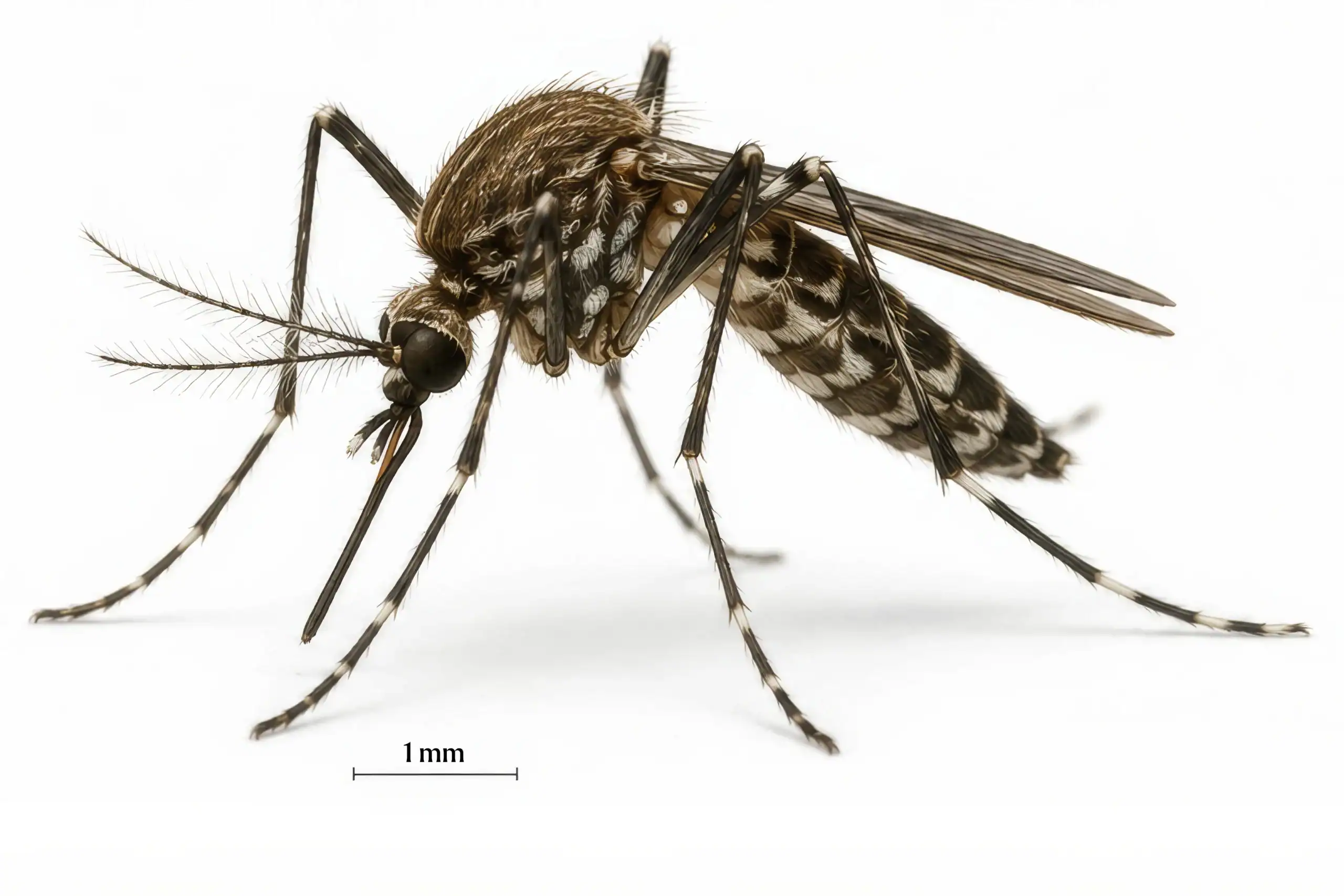
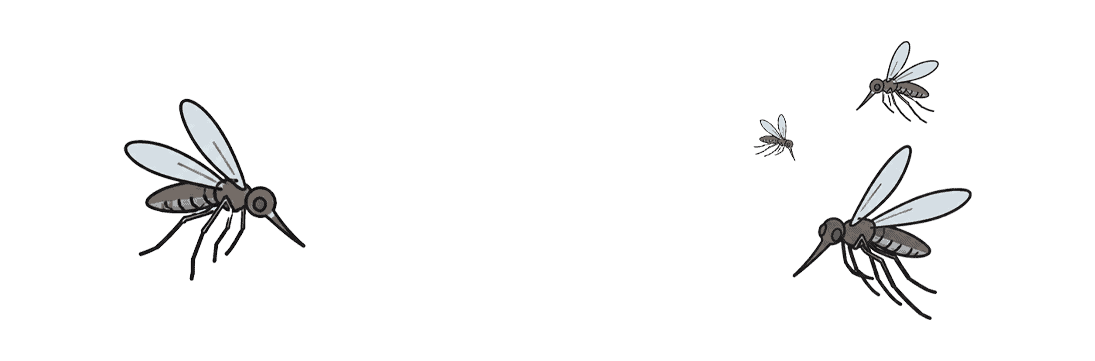
Mosquitoes (myg in Danish/ kiisivaaji in East Greenlandic) are the larger of the two. They are visible, audible, and most active in calm, warm conditions – on still days, in sheltered valleys, around the margins of ponds and wetlands. The two Greenlandic species are closely related and nearly identical to the eye; both are dark-bodied and significantly larger than the mosquitoes most Europeans are used to. They are persistent but slow, and a decent head net eliminates them entirely.
Midges

Midges – known in Danish as knotter or biting midges, in East Greenlandic called umardeqqorduu, scientifically Culicoides spp. – are an entirely different challenge. They are tiny, near-invisible, and tend to swarm in clouds close to the ground and around vegetation. Unlike mosquitoes, they do not buzz loudly; you often only know they are there when you feel the itch. They favour overcast, windless conditions and are most problematic in humid, boggy areas. Standard mosquito nets with large mesh may not stop them; fine-mesh nets or head socks are more effective.
The Broader Picture
Mosquitoes and Climate Change
Mosquitoes in the Arctic are more than a nuisance. They are a keystone species in a delicate ecosystem – and one of the most sensitive indicators of climate change in the region.
As the Arctic warms, the snowmelt ponds that mosquito larvae depend on are forming earlier in the season. Research from Dartmouth College has shown that for every 1°C increase in temperature, mosquito development time shortens by roughly 10%. Models predict that a 2°C rise in Arctic temperatures could increase the probability of a mosquito surviving to adulthood by more than 50%.
This acceleration has consequences that extend far beyond human comfort. The region’s caribou (tuttu) are deeply affected by mosquito abundance. During peak swarms, caribou abandon their best foraging grounds and flee to windy ridges or coastal areas to escape the insects – burning energy, losing weight, and reducing the time calves have to grow before winter. Research has linked years of intense mosquito activity to lower calf survival rates the following spring.
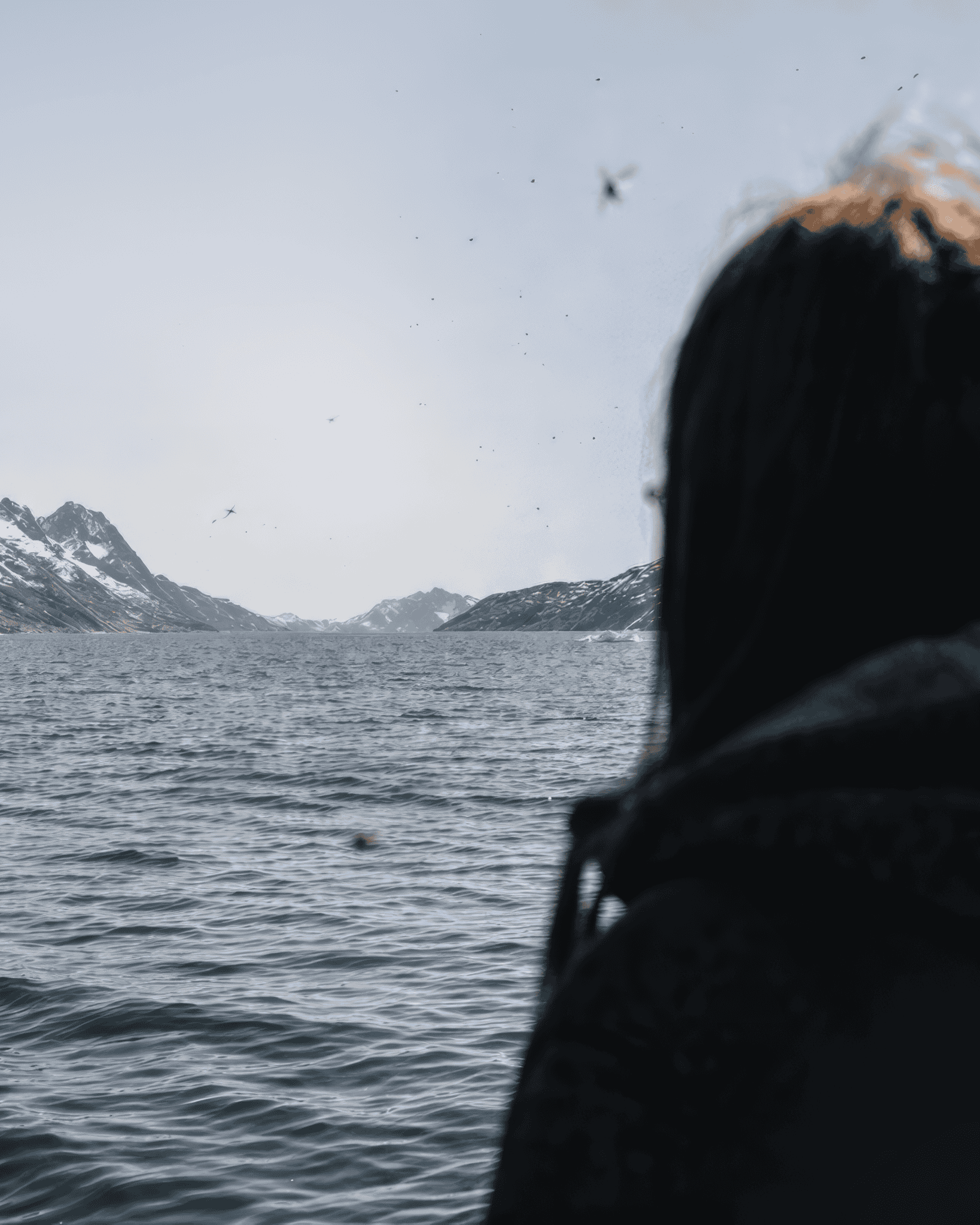
There is also a subtler concern. Recent metagenomic studies of mosquitoes collected near Kangerlussuaq revealed that Greenlandic Aedes populations carry a range of novel RNA viruses – many previously unknown to science, some belonging to the same families as influenza and West Nile virus. These viruses appear to have evolved in long isolation. As the Arctic warms and the boundaries between ecosystems shift, this “secluded virome” is worth watching.
None of this should discourage a visit. Greenlandic mosquitoes do not carry malaria, dengue, or any of the diseases associated with tropical species. But it places the summer swarms in their proper context: they are not an inconvenience to be edited out of the experience. They are part of what this landscape is.
Tips from Visit East Greenland
If you are visiting between late June and August, here is how to make your summer comfortable without letting the insects define it.
Head nets are non-negotiable for hiking
A simple head net worn over a wide-brimmed hat gives complete protection. Make sure the mesh doesn’t rest directly against your skin – mosquitoes can bite through fabric pressed against the face. For midges (knotter), a fine-mesh head sock is more effective than a standard net.
Wear the right clothing
A simple head net worn over a wide-brimmed hat gives complete protection. Make sure the mesh doesn’t rest directly against your skin – mosquitoes can bite through fabric pressed against the face. For midges (knotter), a fine-mesh head sock is more effective than a standard net.
Use repellent on exposed skin
DEET at 30–50% concentration is the most effective option for Arctic conditions. If you prefer to protect your gear (DEET can damage Gore-Tex and synthetic fabrics), Picaridin (Icaridin) at 20% is equally effective and safe on technical clothing. For clothing treatment, Permethrin-soaked garments offer long-lasting protection that survives multiple washes.
Plan around the wind and the clock
Mosquitoes are most active in warm, still conditions – late afternoon and early evening in particular. On coastal stretches or exposed ridges, the wind keeps them grounded. If you are flexible with your itinerary, save valley hikes and wetland walks for cooler or windier days.
September is a different world
If your schedule allows it, late August into September is one of the finest times to visit East Greenland. The mosquitoes are gone. The tundra turns red and amber. The Northern Lights (arsarnerit) begin to appear. Local families head into the hills to pick crowberries (paarmaq). Hunters find it one of the most productive periods of the year. The landscape is the same – just quieter, and yours to move through freely.
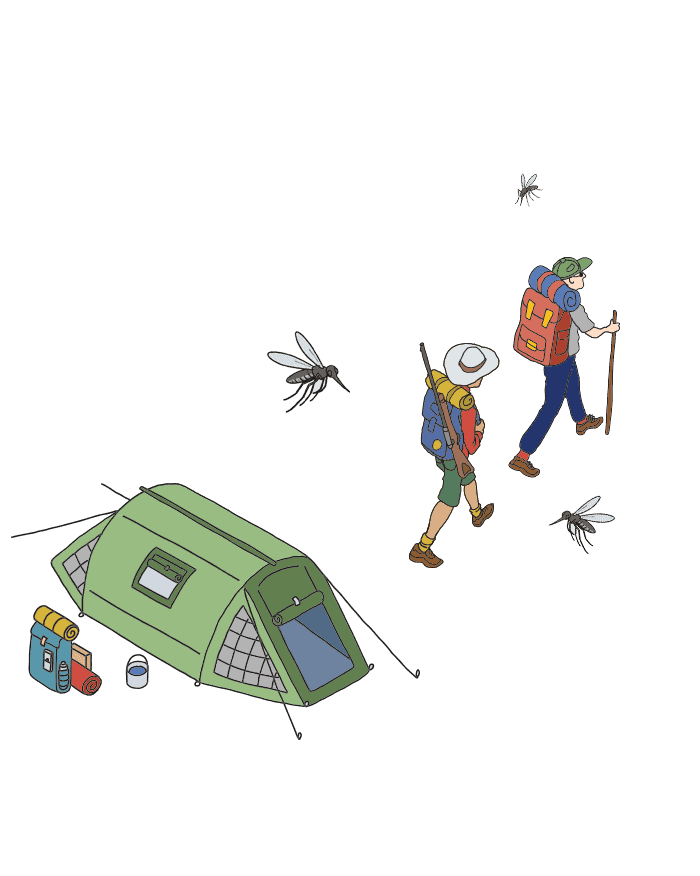

The mosquitoes of East Greenland are ancient, extraordinarily well-adapted, and woven into the ecology of this place in ways that extend far beyond the visible. Coming prepared means you can share the summer with them without losing a single hour to discomfort.
Pack a head net. Bring Picaridin. Come anyway.
Plan Your Trip
Plan your East Greenland adventure, tapping into local knowledge, expert tips, and essential planning tools.

Towns & Settlements
Explore East Greenland’s quaint towns and remote settlements, discovering unique landscapes, rich culture, and rugged Arctic beauty.
Tour Providers
Once you’ve chosen your adventure, book your East Greenland journey through local operators or plan it independently.
Articles
Read through our curated articles about East Greenland, deepening your insight into its seasons, traditions, and wonders.
Resources
Discover East Greenland’s essential resources and planning tools, ensuring deeper insights, trusted guidance, and a fulfilling adventure.