

Two Worlds, One Destination
The contrasts of the season, from white winterlandscapes to a mosaic of rock, water and seasonal vegetation under endless light during summer. The shift between summer and winter reshapes not only the landscape but also activities, travel options, and the overall visitor experience. Recognising this dramatic contrast, our website layouts now better support you in navigating the seasons and what is possible to experience during those two tourist seasons.
A Landscape That Reinvents Itself
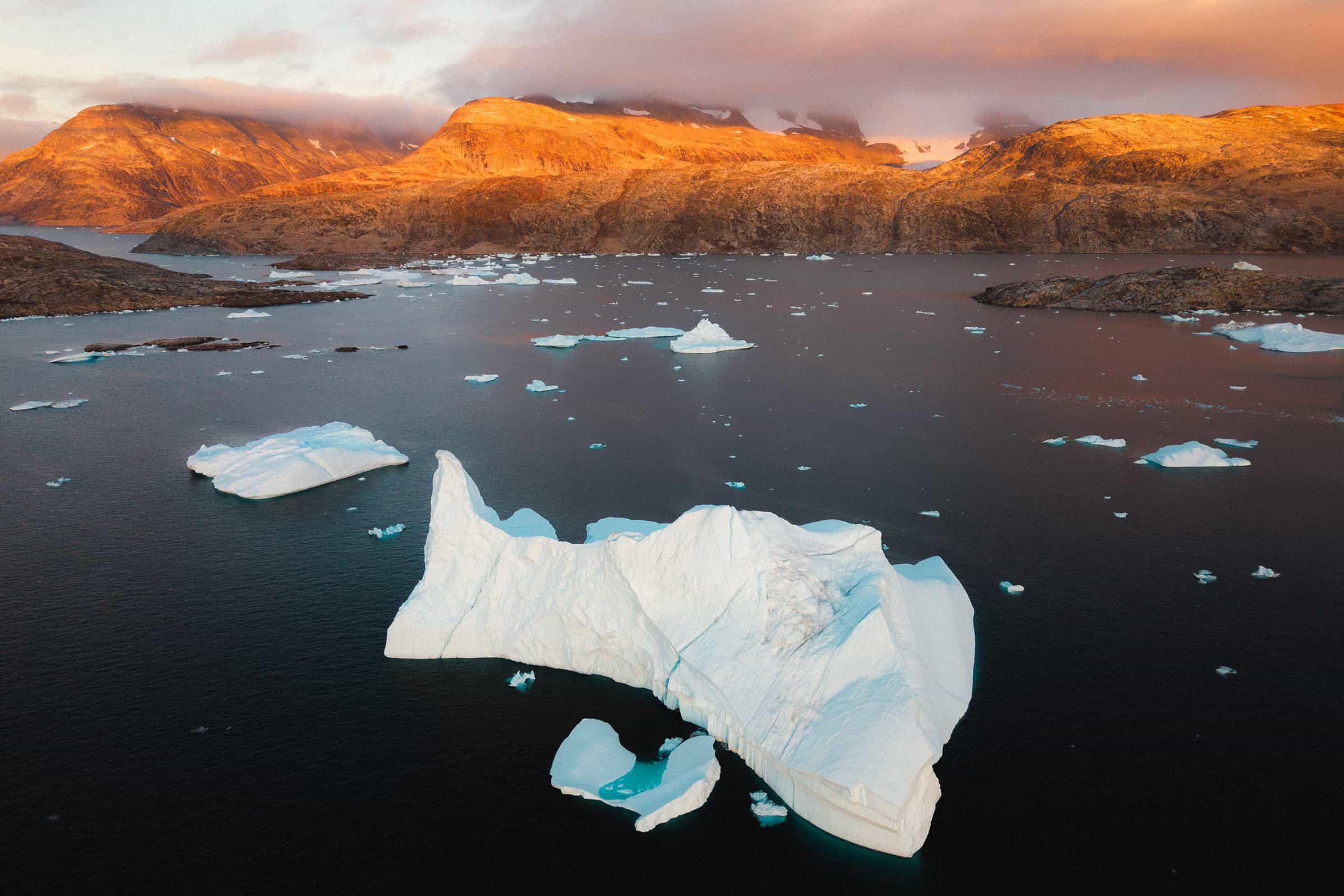
The most striking difference between summer and winter in East Greenland lies in the environment itself. In summer, the coastline opens as sea ice retreats, revealing deep fjords filled with drifting icebergs and surrounded by rugged mountains. The tundra comes alive with short but vibrant bursts of vegetation, and the midnight sun offers nearly endless daylight for exploration.
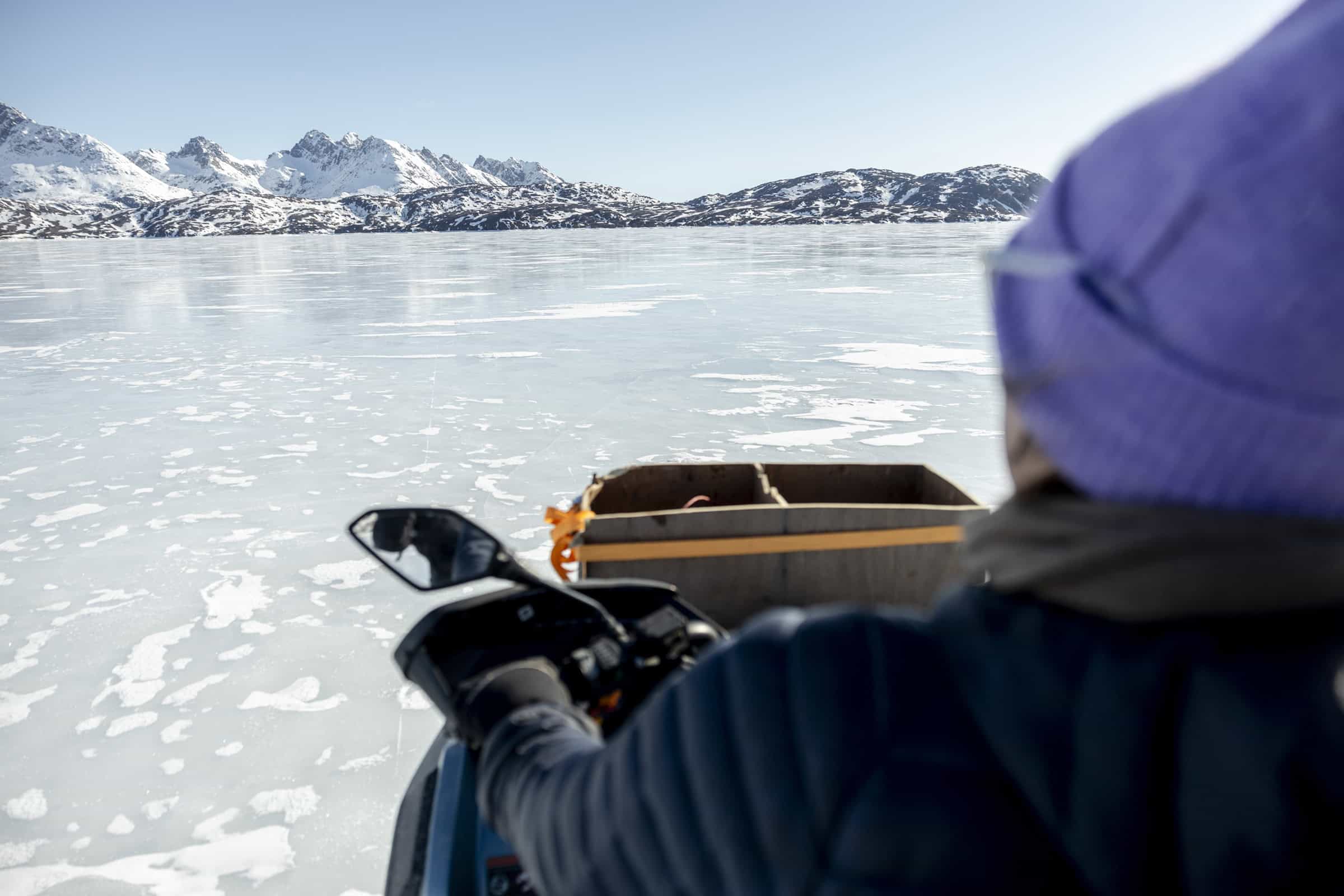
Winter, by contrast, brings a frozen, snow-covered wilderness where sea ice reconnects settlements, while other settlements become less reachable, and fjords become vast white highways. The sun dips below the horizon for extended periods, replaced by soft polar twilight and, often, the vivid display of the Northern Lights. Travel routes shift dramatically, and the landscape becomes quieter, even more remote, and deeply atmospheric.
Summer
Access, Wildlife, and Fjord Exploration
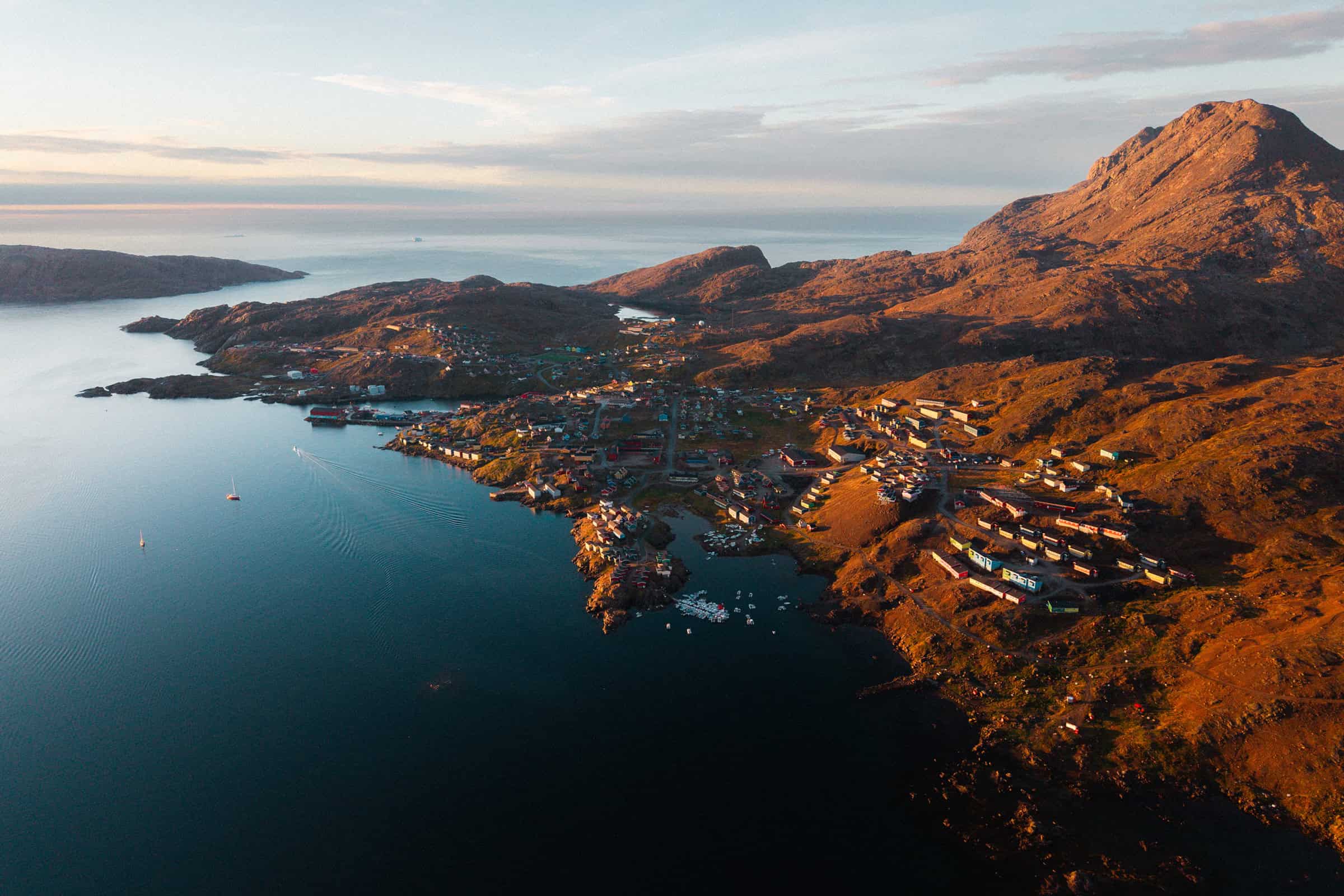
Summer in East Greenland is defined by accessibility and movement across open water. Boats become the primary means of transportation, allowing visitors to navigate fjord systems, reach remote settlements, and travel between communities.
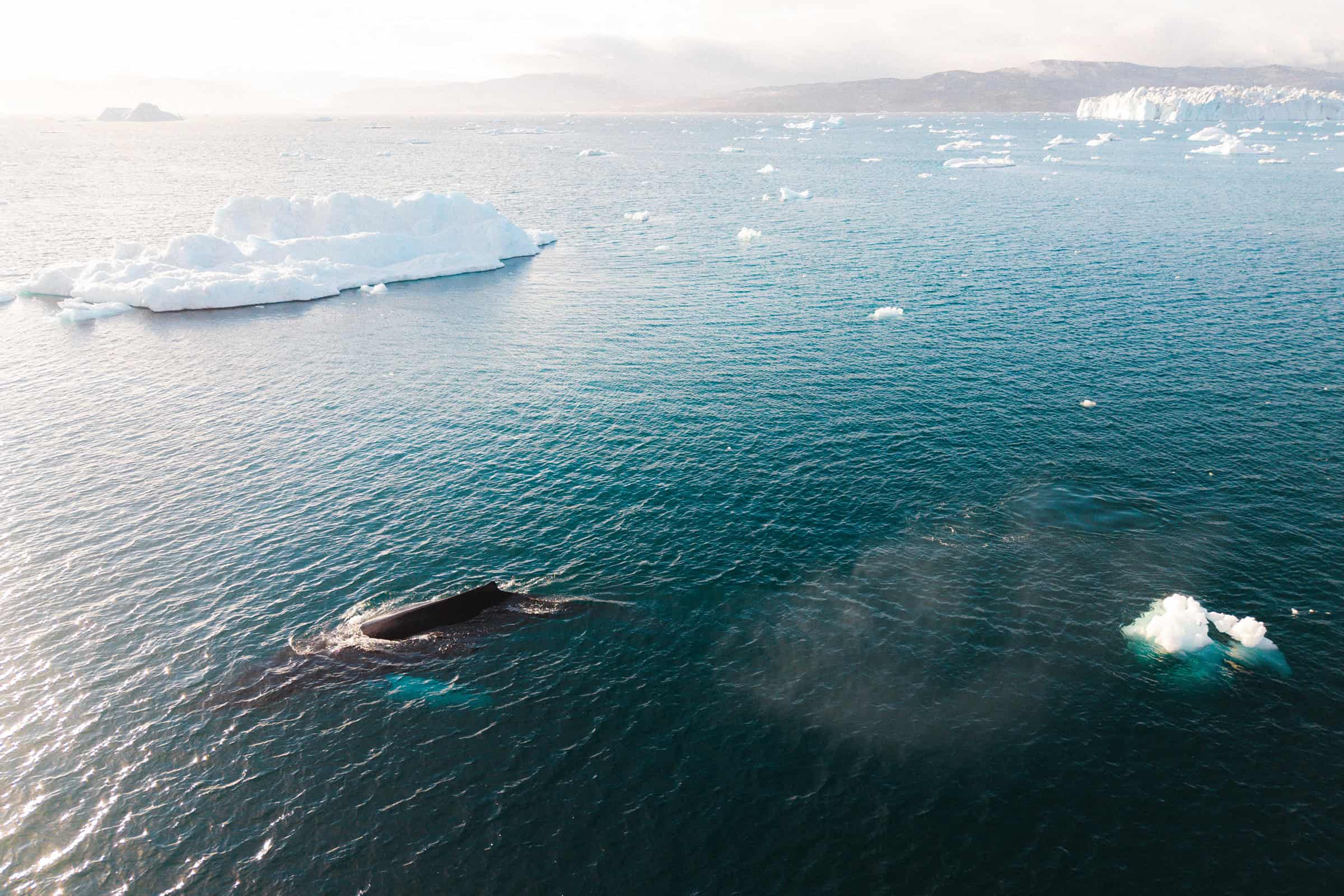
Wildlife is particularly active during this season. Whales migrate into the fjords, seabirds nest along the cliffs, and Arctic flora carpets the tundra in brief but colourful blooms. Hiking opportunities expand as snow recedes from mountain slopes, revealing trails and viewpoints offering sweeping views of the ice-filled fjords.
Summer is also the season when visitors can experience East Greenland’s communities at their most active. Fishing, hunting, and gathering activities are in full swing, providing insight into daily life shaped by generations of living with the conditions of an Arctic environment.
Summer activities in East Greenland:
Winter activities in East Greenland:
Winter
Ice, Darkness, and Arctic Traditions
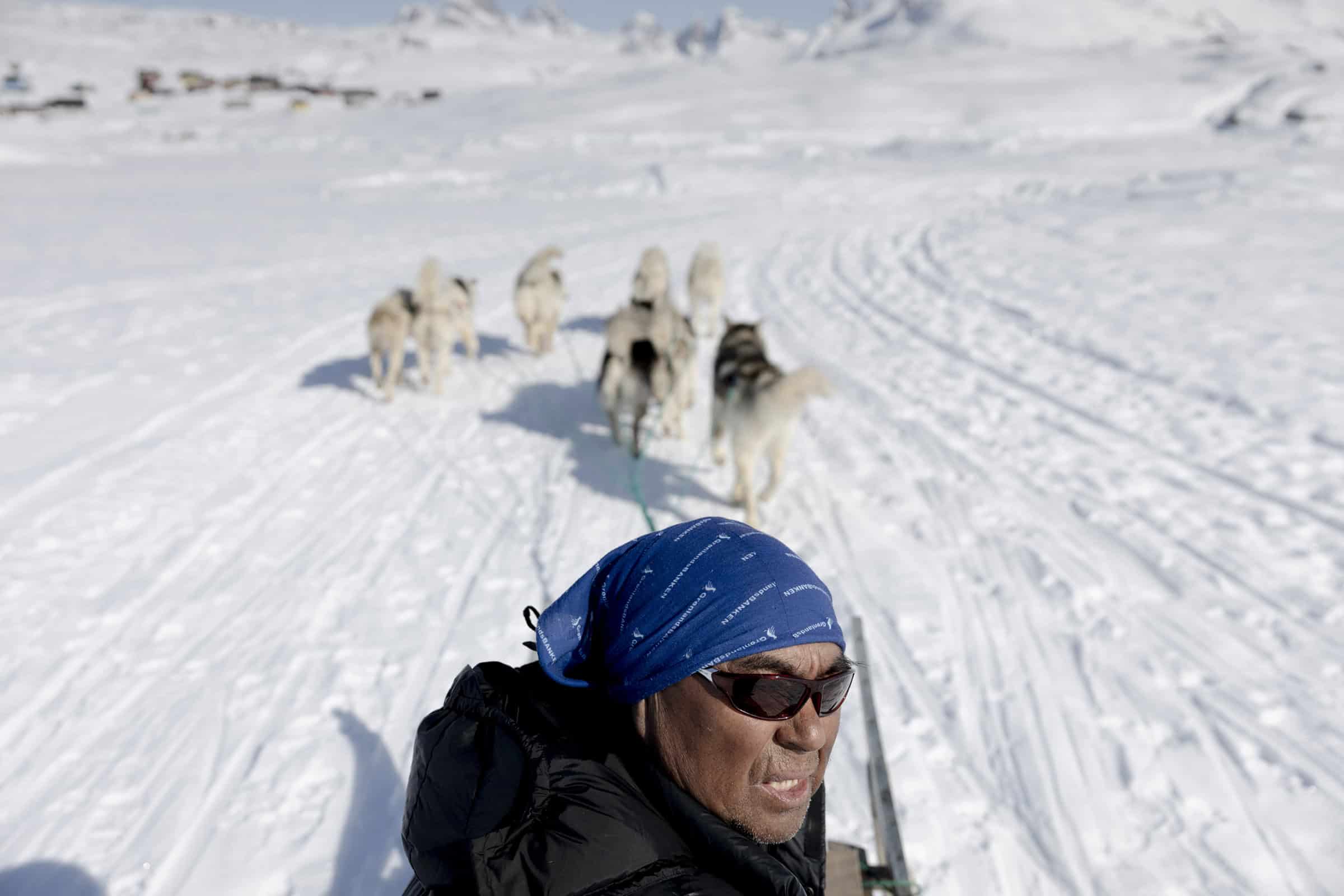
Winter transforms East Greenland into an entirely different world. With the fjords frozen and snow blanketing the terrain, travel shifts from boats to dog sleds and snowmobiles. Routes that are inaccessible during summer become essential winter pathways connecting settlements and hunting grounds.
Dog sledding, in particular, is not just an activity but a deeply rooted cultural tradition. Visitors gain insight into the historic and ongoing importance of sled dogs in transportation and survival in Arctic communities.
The winter darkness also creates ideal conditions for observing the Northern Lights, adding a powerful natural spectacle to the visitor experience. Combined with the silence of snow-covered landscapes, winter offers a sense of isolation and authenticity that is difficult to find elsewhere.
Two Seasons, Two Distinct Visitor Experiences
Because summer and winter in East Greenland differ so dramatically, planning a visit requires understanding which environment and activities align best with your interests. As a summer visitor, you might prioritise hiking, sailing among icebergs, camping, and whale-watching. As a winter traveller, you may be drawn to dog sledding, Northern Lights viewing, and skiing expeditions. If you can’t decide between the two than you need to visit East Greenland twice and explore the contrasts with all your senses.
When the Fjords Open and the Sun Lingers
You are bathed in endless daylight, sometimes under the midnight sun, where crystal-blue fjords, colossal icebergs, and rugged mountains glow in vibrant contrast. Colours are rich: deep blues of open ocean, stark whites of calved ice, and the muted greens and browns of tundra terrain. Small villages appear bright and welcoming against vast wilderness backdrops. Summer is alive with natural soundscapes: the gentle lapping of waves against rocky shores, the distant calls of seabirds, the soft crackle of ice shifting in the water, and the occasional blow of a passing whale. The scent of sea salt and cold, fresh Arctic air fills your lungs. Occasionally, mist or fog rises from the fjords, adding a cool, clean tang to the air. Inland, the smell of damp earth and short summer vegetation, tiny Arctic flowers and moss emerges when hiking.
When the Sea Ice Returns and the Sky Awakens
Winter transforms the world into a vast expanse of white and pale pastels. Snow blankets fjords and mountains, and the sky often deepens into soft twilight or rich dusky colours. When the weather permits, the Northern Lights dance across the sky, painting it with greens, purples, and pinks. The landscape is strikingly quiet. Snow absorbs sound, creating an almost surreal silence broken only by the swish of sled runners on snow, the bark of sled dogs, or the distant whisper of wind across the plain.
The new website format reflects this reality by organising experiences by season rather than by activity type alone. This approach helps visitors more easily visualise what their journey will look like, setting clearer expectations and making trip planning more intuitive.
Read the stories. Then travel them.
Many of these articles grew into itineraries. Fifteen day-by-day journeys, written by locals from Ammassalik and Ittoqqortoormiit.
 Ammassalik
 Ittoqqortoormiit
 Ammassalik
Plan Your Trip
Plan your East Greenland adventure, tapping into local knowledge, expert tips, and essential planning tools.

Towns & Settlements
Explore East Greenland’s quaint towns and remote settlements, discovering unique landscapes, rich culture, and rugged Arctic beauty.
Tour Providers
Once you’ve chosen your adventure, book your East Greenland journey through local operators or plan it independently.
Articles
Read through our curated articles about East Greenland, deepening your insight into its seasons, traditions, and wonders.
Resources
Discover East Greenland’s essential resources and planning tools, ensuring deeper insights, trusted guidance, and a fulfilling adventure.