
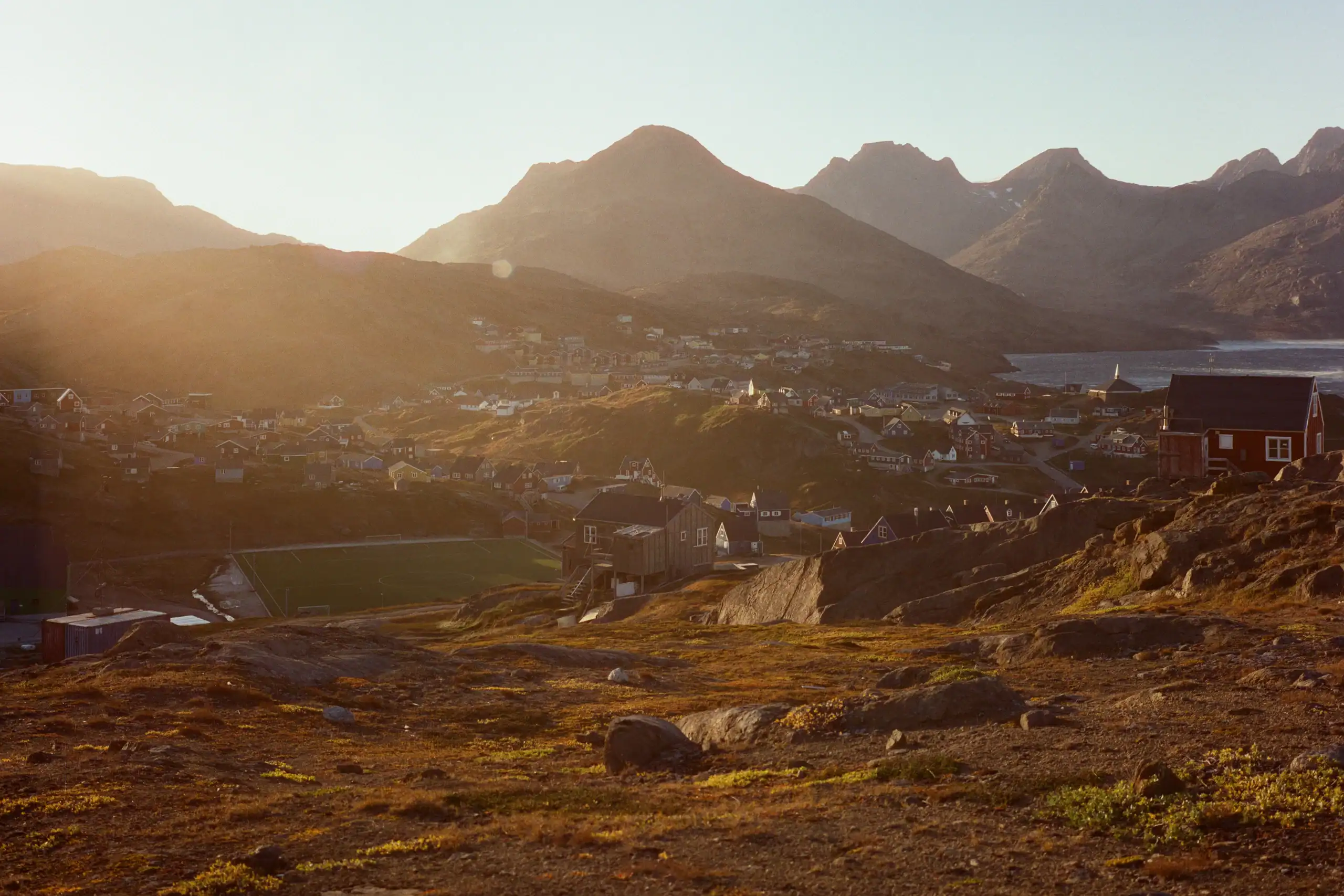
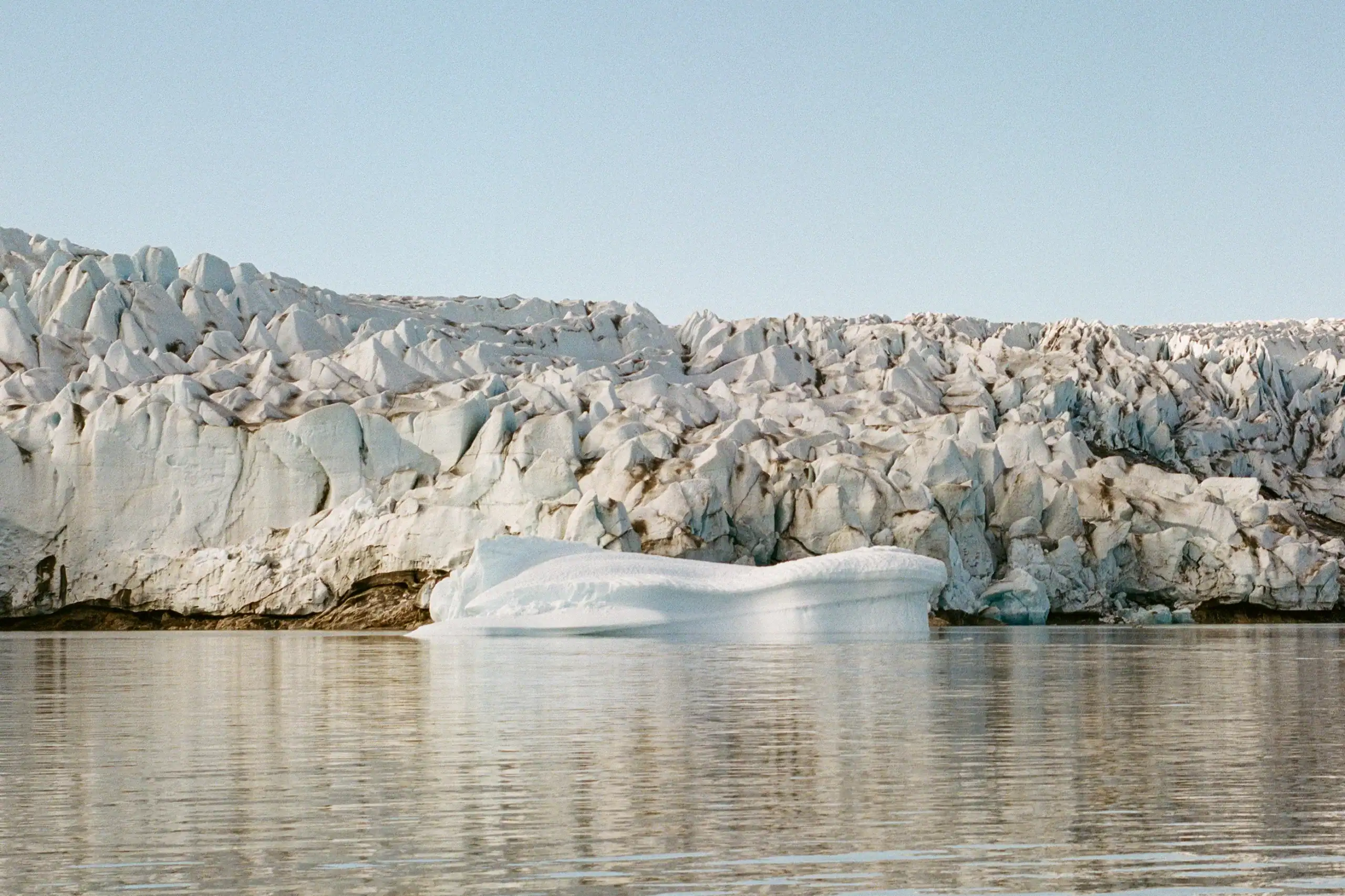
East Greenland. A land of stark beauty, where towering icebergs carve through glacial fjords and the Northern Lights dance across the night sky. With its dramatic landscapes and unique light conditions, this remote corner of the world has long captivated adventurers and artists alike. But for those seeking to truly capture the essence of this icy wilderness, there’s something particularly special about turning to the timeless art of film photography.
While digital photography offers instant gratification and endless editing possibilities, the film demands a slower, more deliberate approach. Each frame becomes precious – a carefully composed moment in time etched onto physical film. This mindful process encourages a deeper connection with the environment, forcing you to see and experience the landscape before you truly do.
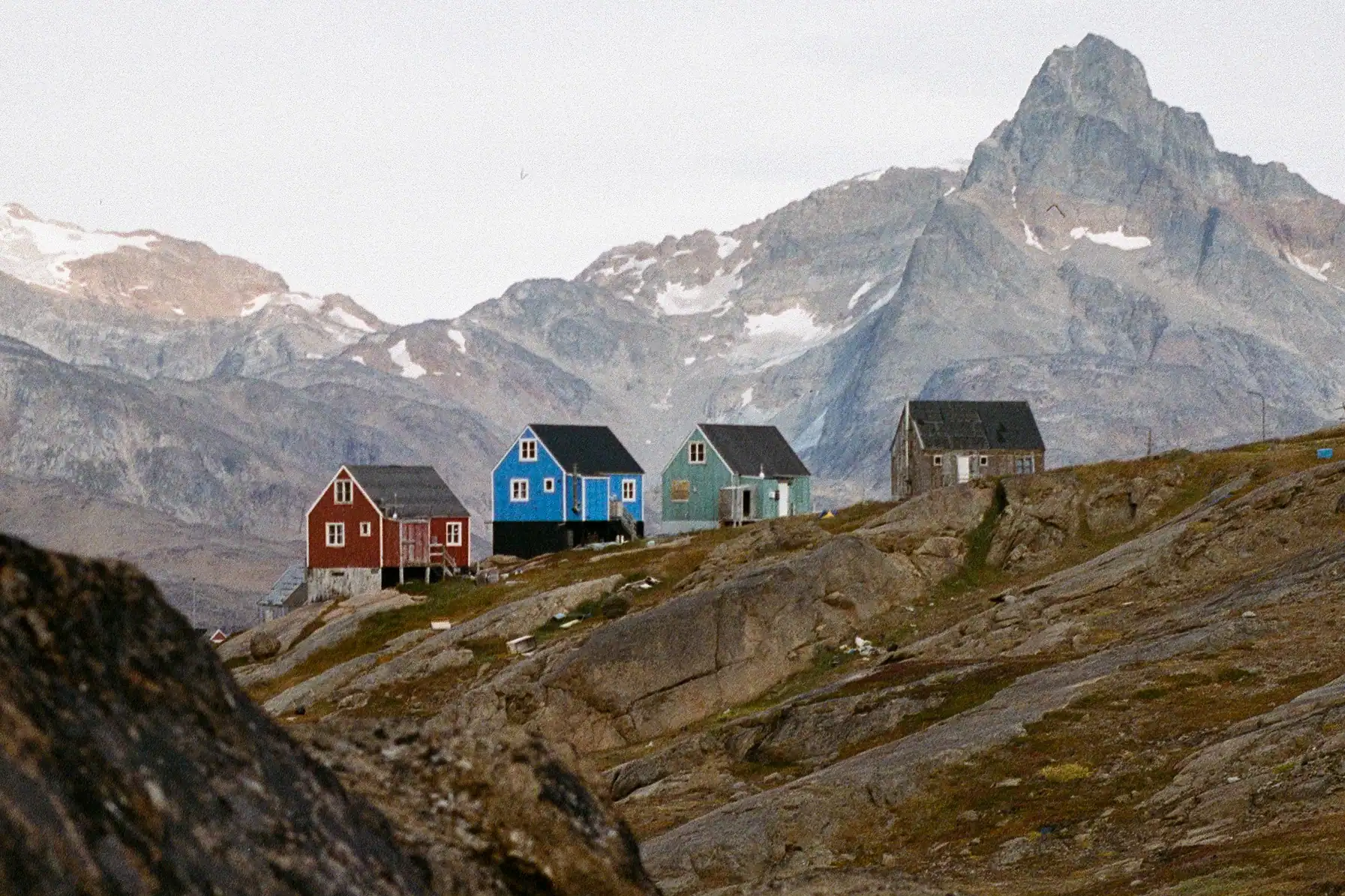
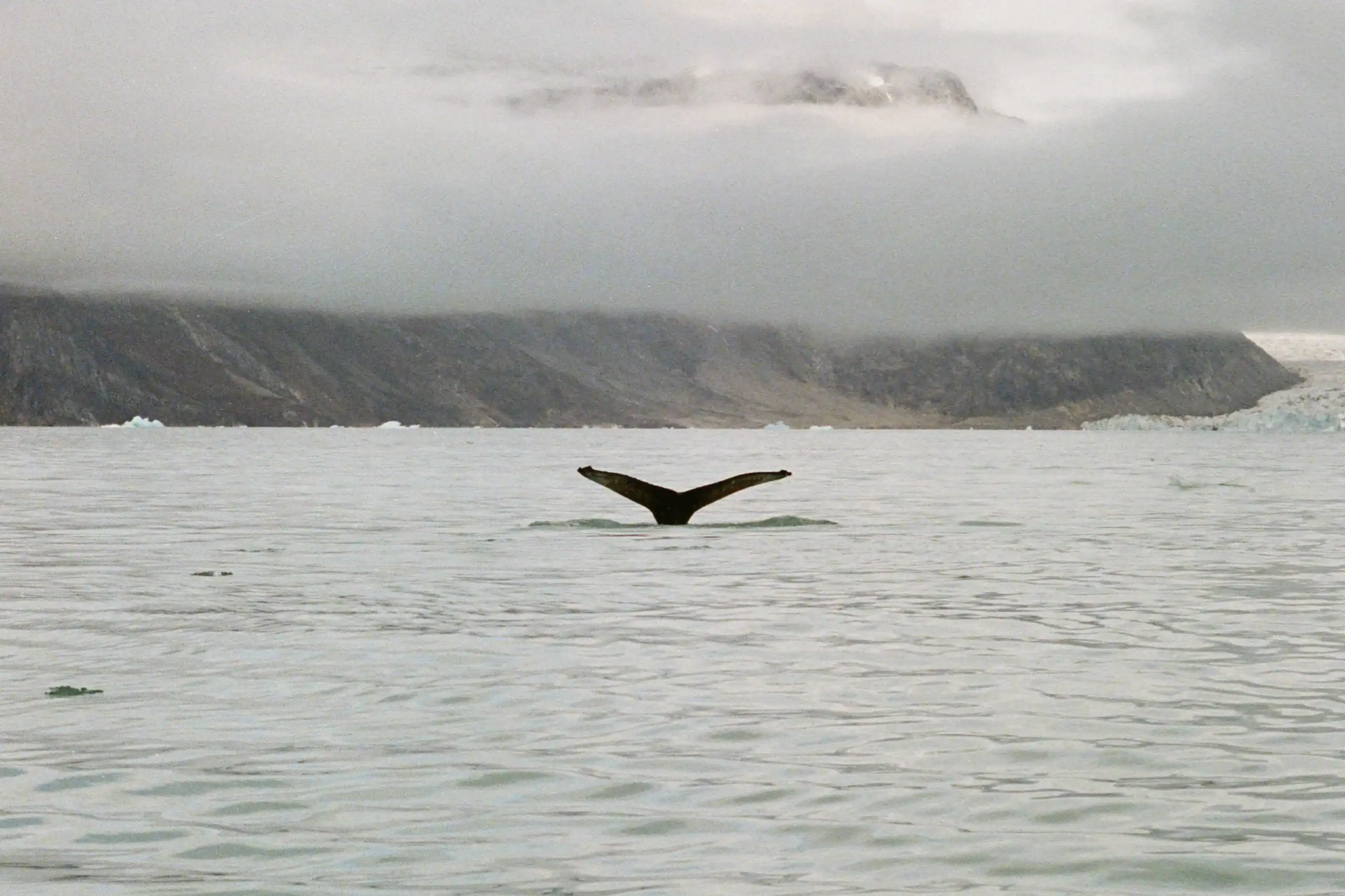
The challenges of shooting film in East Greenland – its extreme cold and ever-shifting light – only add to the allure. It’s a test of both skill and patience, but the rewards are immeasurable. The subtle grain, the rich tonality, and the almost tangible quality of film images possess a unique magic that digital can’t quite replicate. They evoke a sense of nostalgia, a connection to the pioneering photographers who first ventured into this icy realm with their bulky cameras and fragile glass plates.
To gain broader insight into the allure of film photography in this region, we spoke with two photographers who have journeyed into East Greenland’s wild heart:
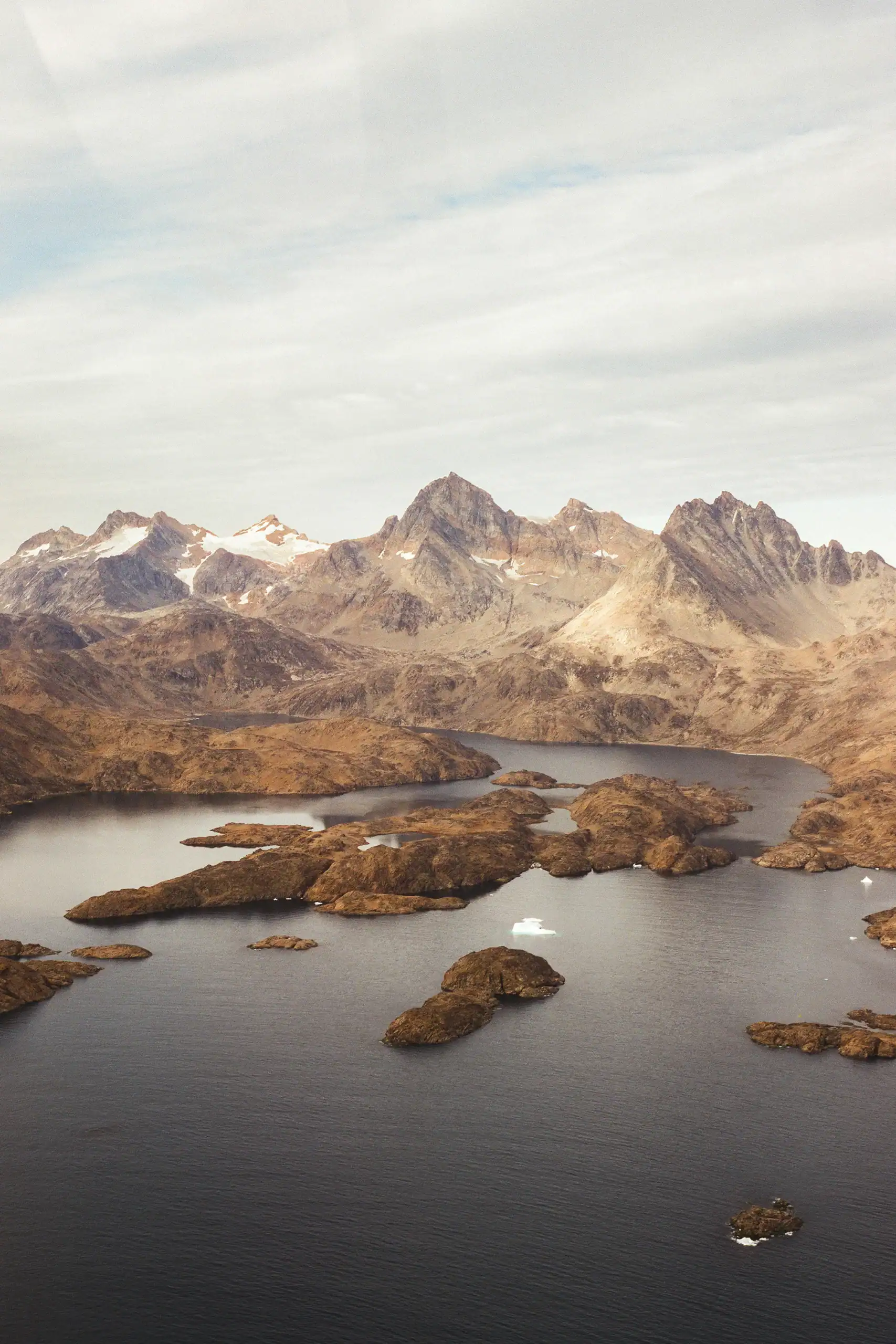
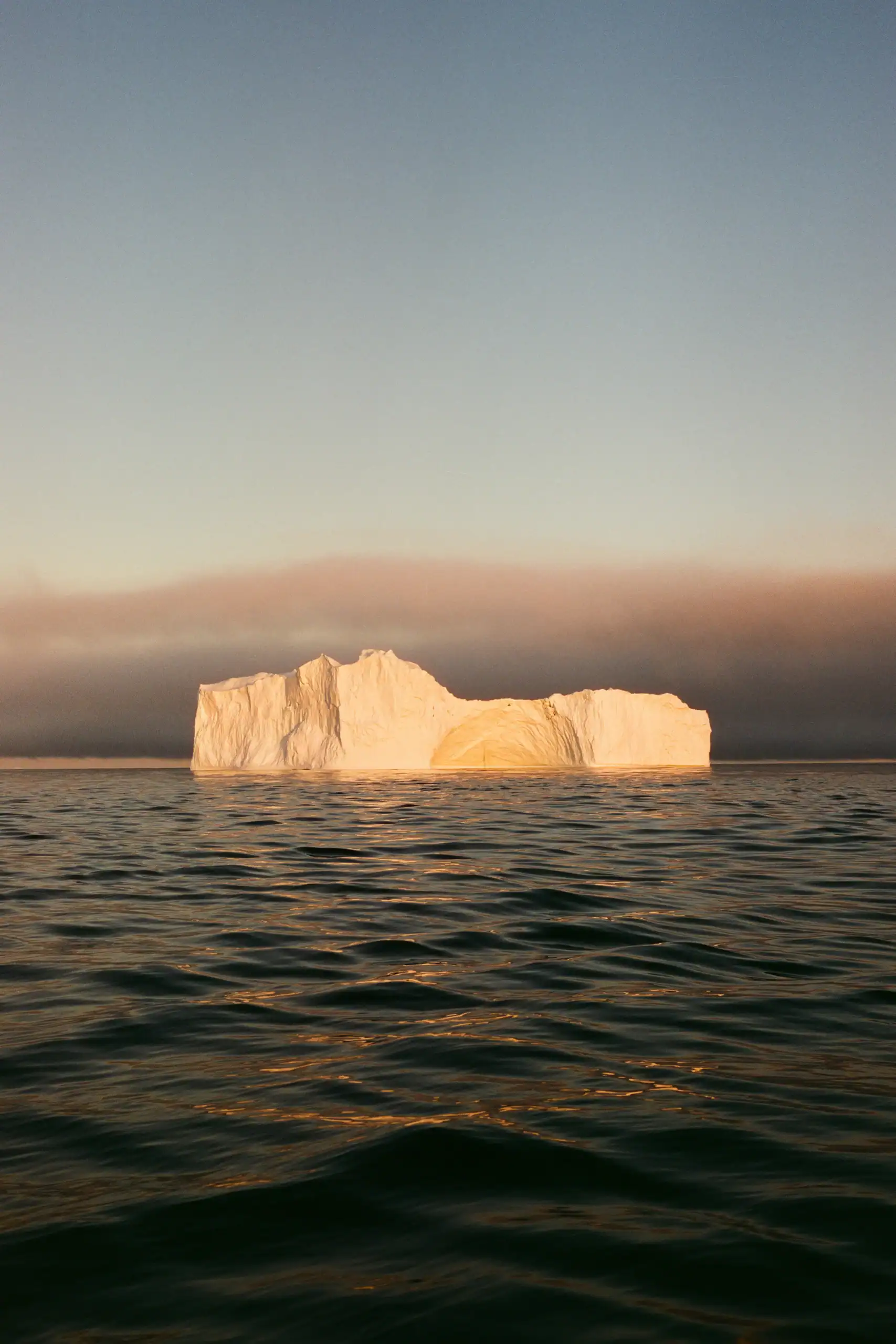
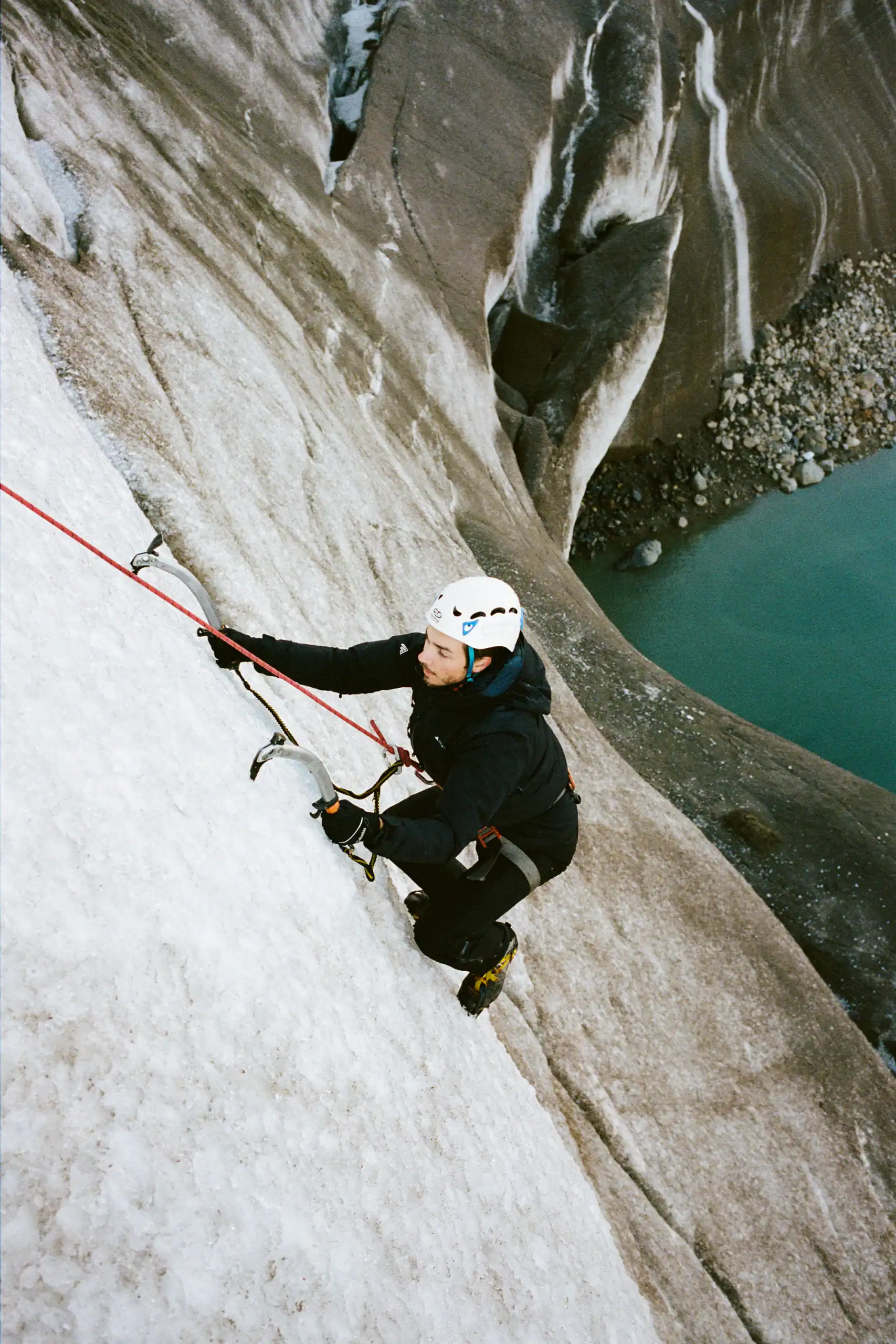
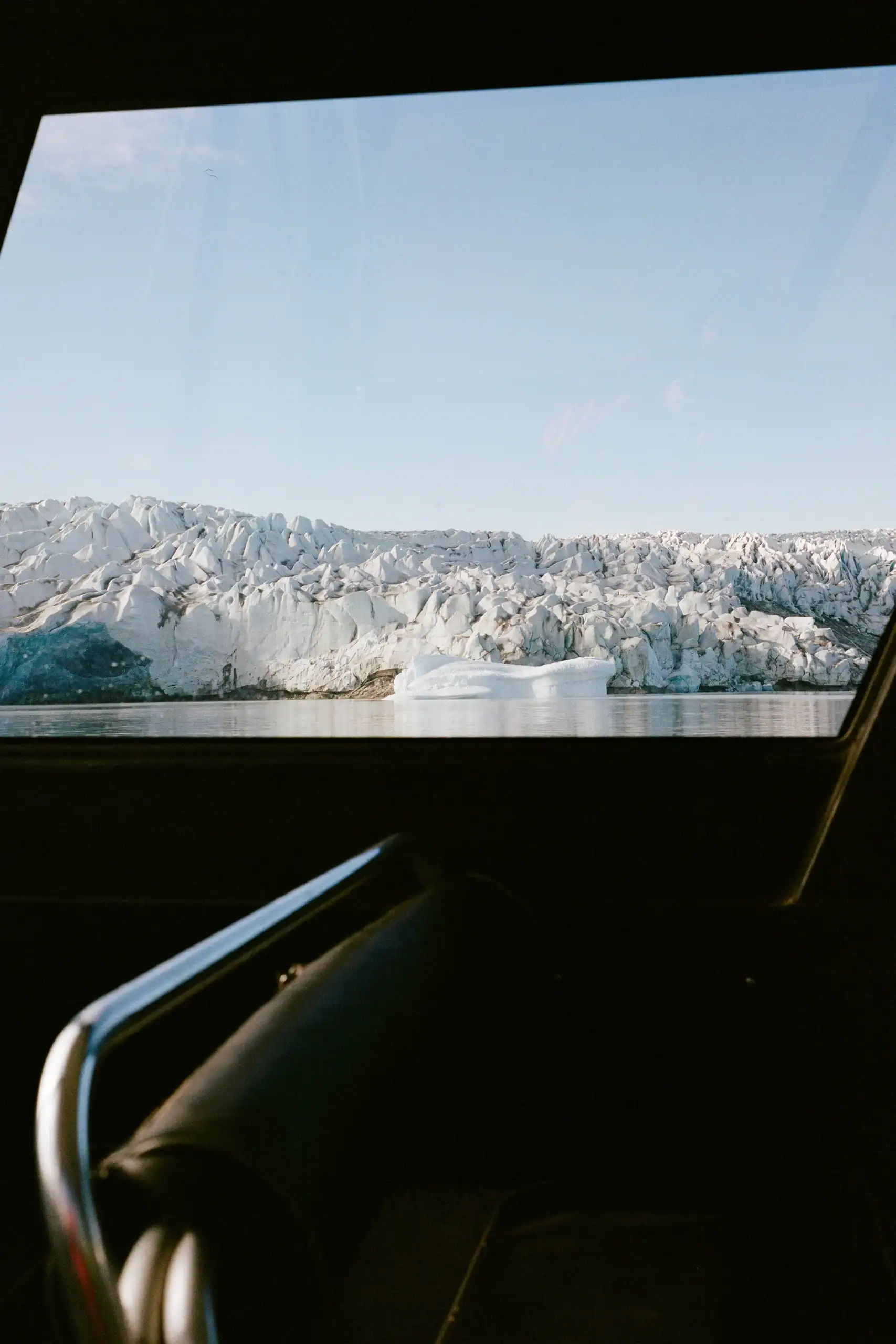
- Benj Story, a UK-based photographer, explored and documented the grandeur of glaciers and icebergs in the fjords of the Ammassalik region during late summer/early fall. Benj’s: Instagram and Website.
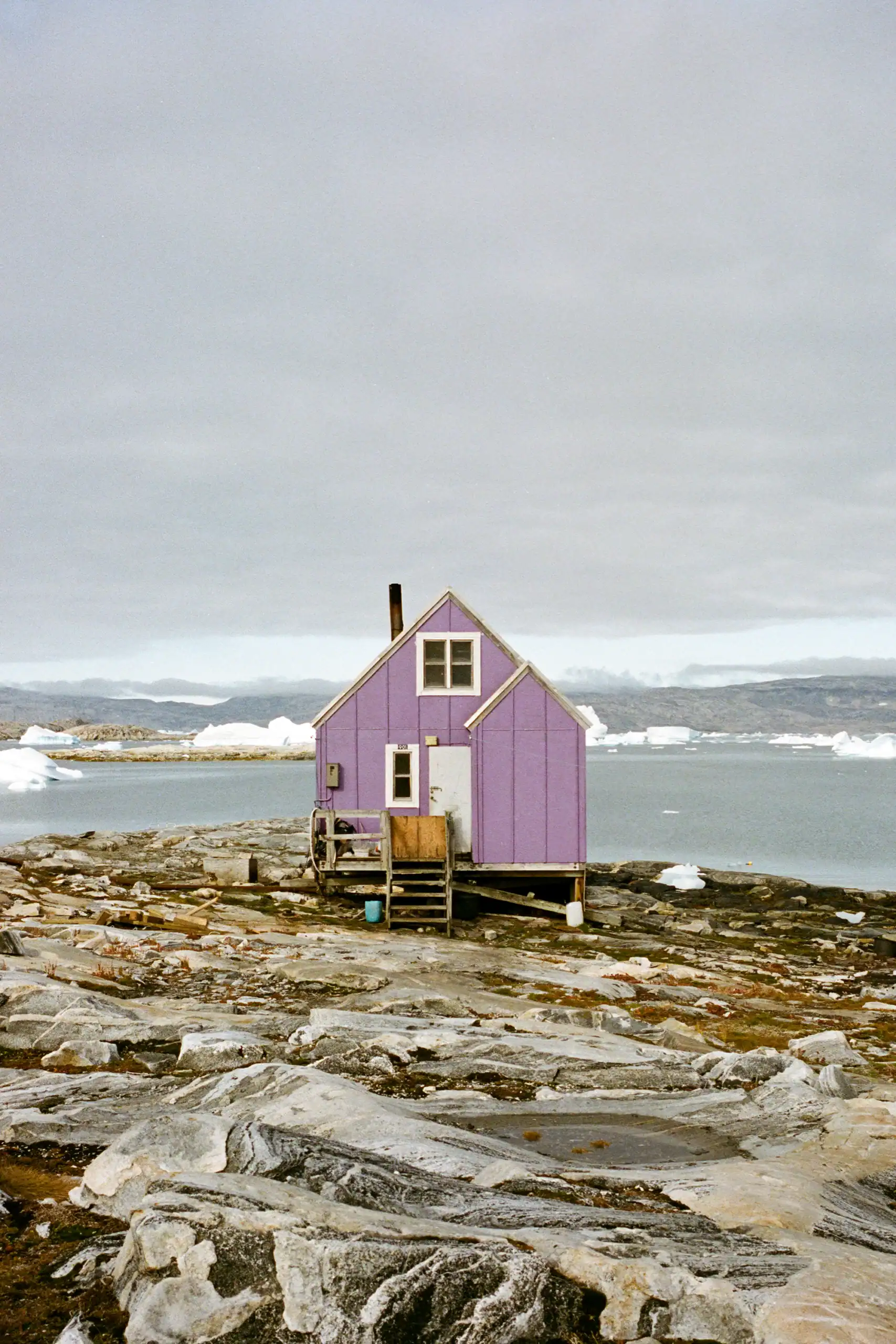
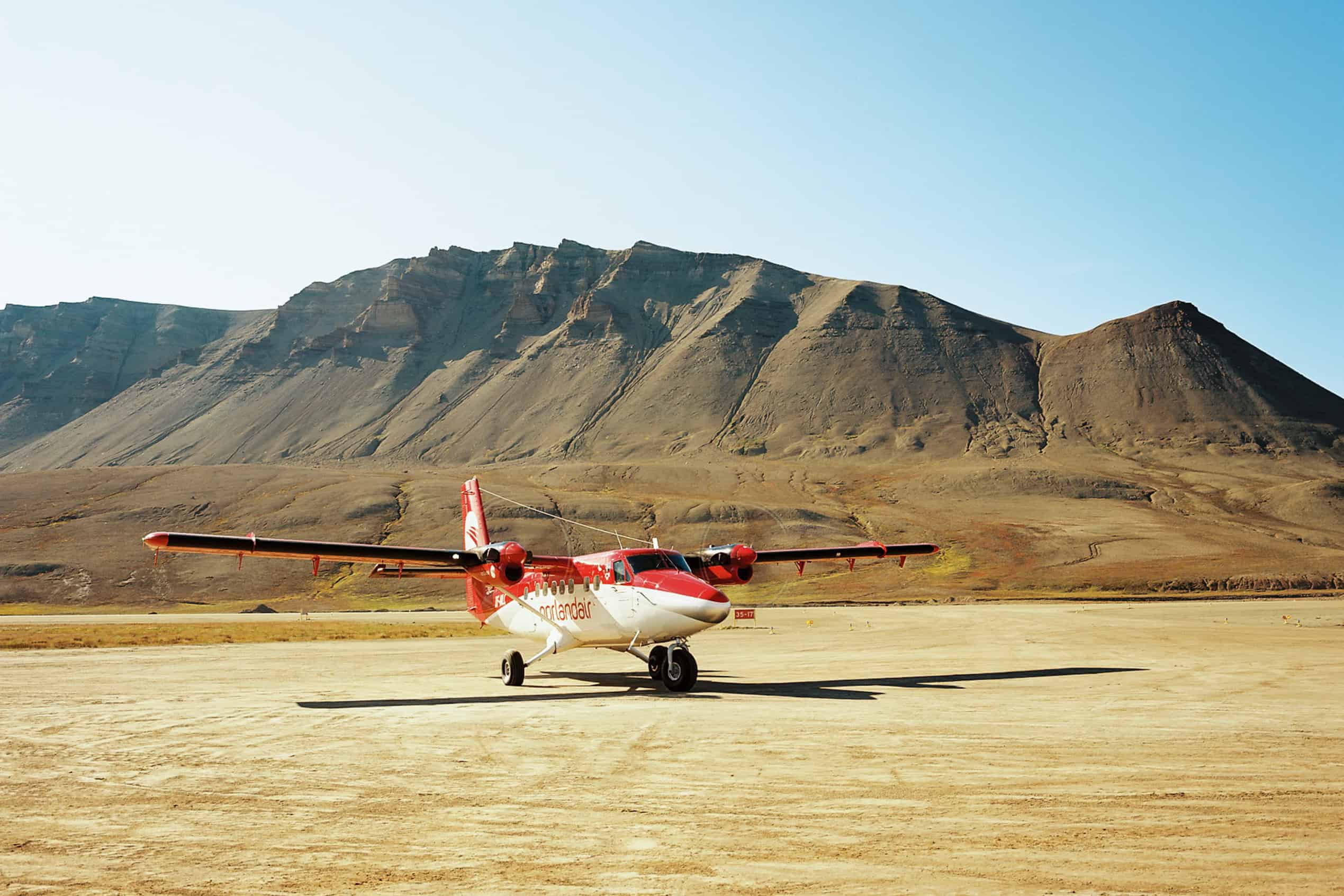
- Marek Micanek, who spent over a week in the remote settlement of Ittoqqortoormiit during summer – a place that can only be reached by flying from Akureyri in Iceland to Nerlerit Inaat (Constable Pynt), and then by helicopter into the village. Marek’s: Instagram and Website
Both photographers brought their analogue cameras to this spectacular Arctic setting – yet each approached it from a different angle. Below, we share Benj’s perspective, followed by an interview with Marek, who documented not only the surrounding tundra and ice but also glimpses of the everyday lives of Ittoqqortoormiit’s residents.
Make sure to check:
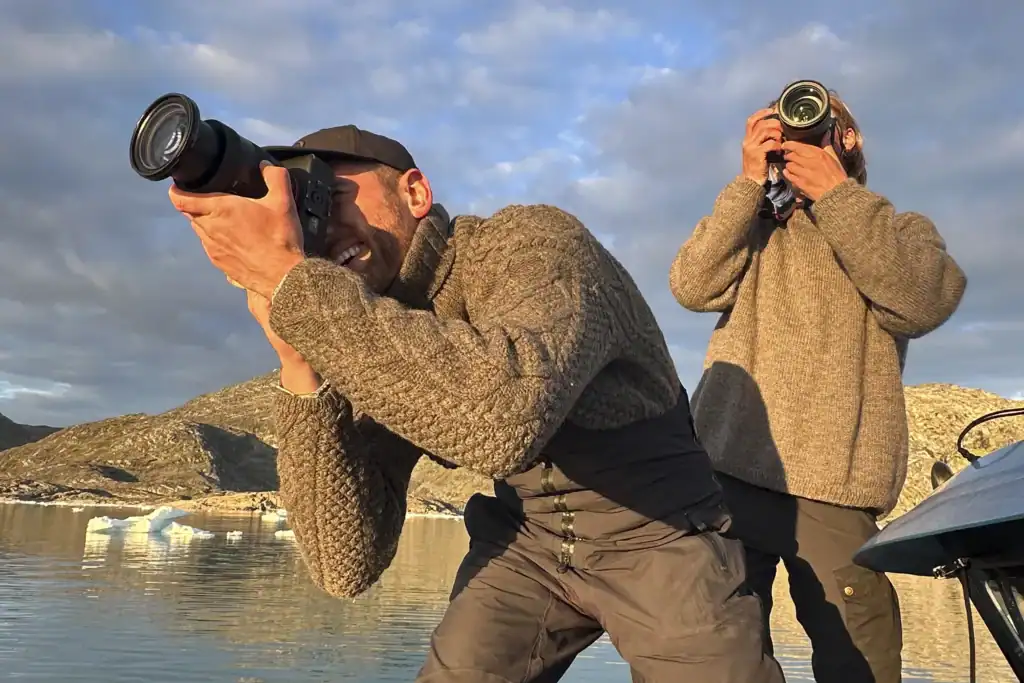
8 Essential Analogue & Digital Photography Tips

Analogue Horizons – A Photo Journal
A Conversation with Benj Story
Visit East Greenland: Can you share what initially drew you to film photography and how your journey as a photographer began?
Benj Story: I’ve been shooting film since 2020. It all started during the Covid lockdown. Stuck at home, I picked up an old film camera that had been gathering dust and started experimenting. I was immediately hooked by the process and the unique aesthetic of film. As someone who is colourblind, I found that film eliminated the anxieties I often felt with digital photography about getting the colours right. The technical aspects of film, from the different formats to the science of developing and printing, also fascinated me.
My photography journey began when I was 16, about 10 years ago. I was studying art in school and needed to fill space in my sketchbook. My teacher suggested incorporating photographs, and I quickly realized I enjoyed the immediacy and satisfaction of photography compared to painting or drawing. I’m a photographer based in Leeds, shooting a bit of everything – from travel and interiors to food and fashion.
Visit East Greenland: What motivated your decision to specialize in analogue photography?
Benj Story: Interestingly, I wasn’t aware of many UK-based film photographers at the time. I followed some prominent film photographers in the US, but there seemed to be a gap in the UK scene. So, I decided to focus on film photography and try to build a presence in that space. Of course, by that point, I was already obsessed with shooting film, so it felt less like a conscious decision and more like a natural progression.
Visit East Greenland: East Greenland offers vast, icy terrains and unique light conditions. How do you approach capturing the essence of its landscapes on film?
Benj Story: The light in East Greenland is surprisingly consistent. Sunrise and sunset obviously require careful metering and adjustments, but the midday light is so diffuse that it creates a consistent exposure across the landscape. This might sound counterintuitive, but the vastness of the environment simplifies things in terms of exposure.
Visit East Greenland: What are some of the technical and environmental challenges you’ve encountered while shooting in East Greenland?
Benj Story: I didn’t face many technical challenges. The temperatures were manageable, and the environment, while awe-inspiring, wasn’t particularly difficult to navigate. The biggest challenge was composing compelling images. Everywhere you look in East Greenland is a potential photograph, so I had to be selective and avoid simply capturing snapshots.
Visit East Greenland: Given the cold temperatures and potential exposure to moisture, how do you protect your film and camera gear?
Benj Story: The cold wasn’t a major issue for me. Temperatures were generally above freezing, similar to autumn in the UK. The film prefers colder temperatures, so in a way, the conditions were ideal. As for moisture, I take the same precautions I would anywhere else – simply avoid getting my gear wet!
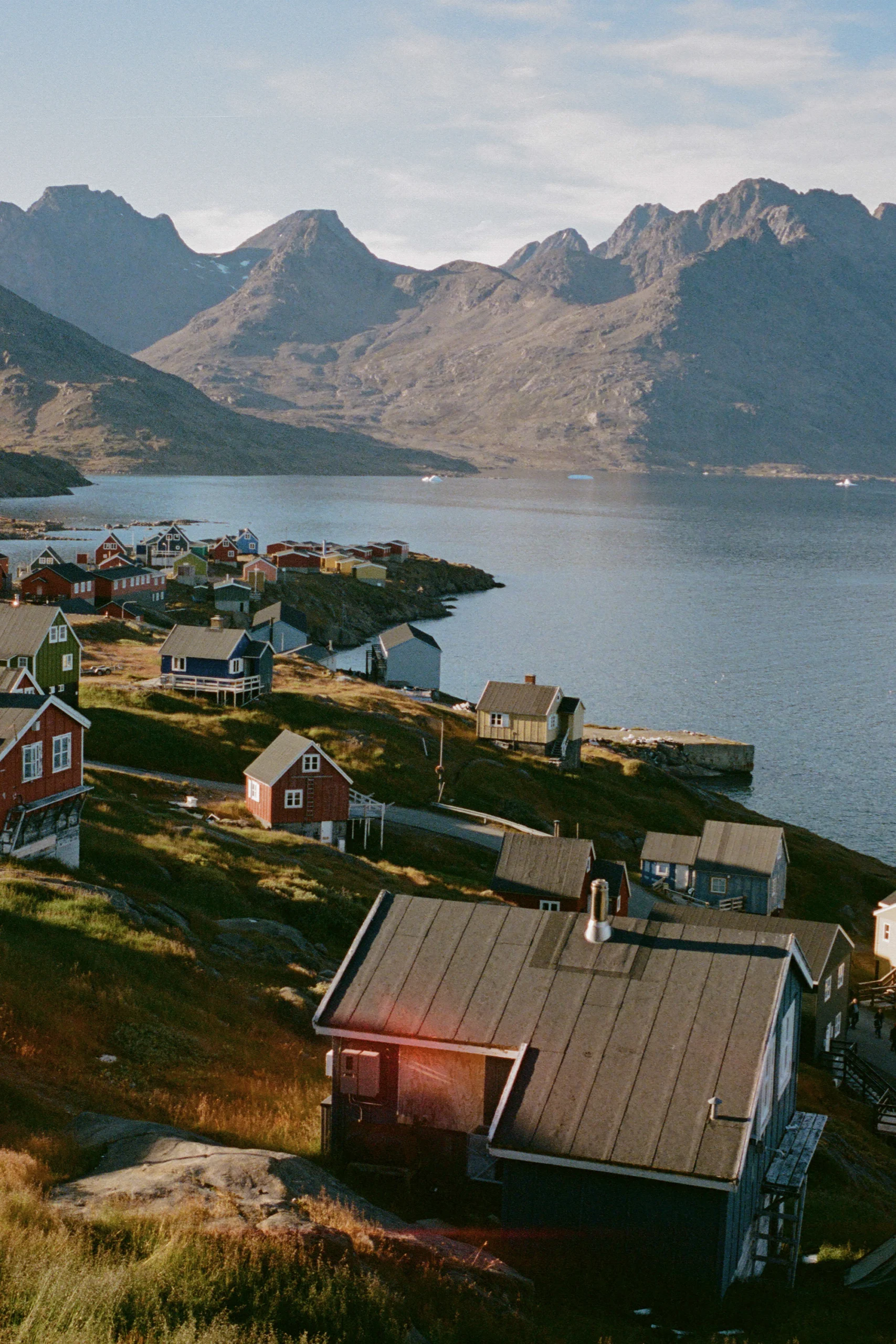
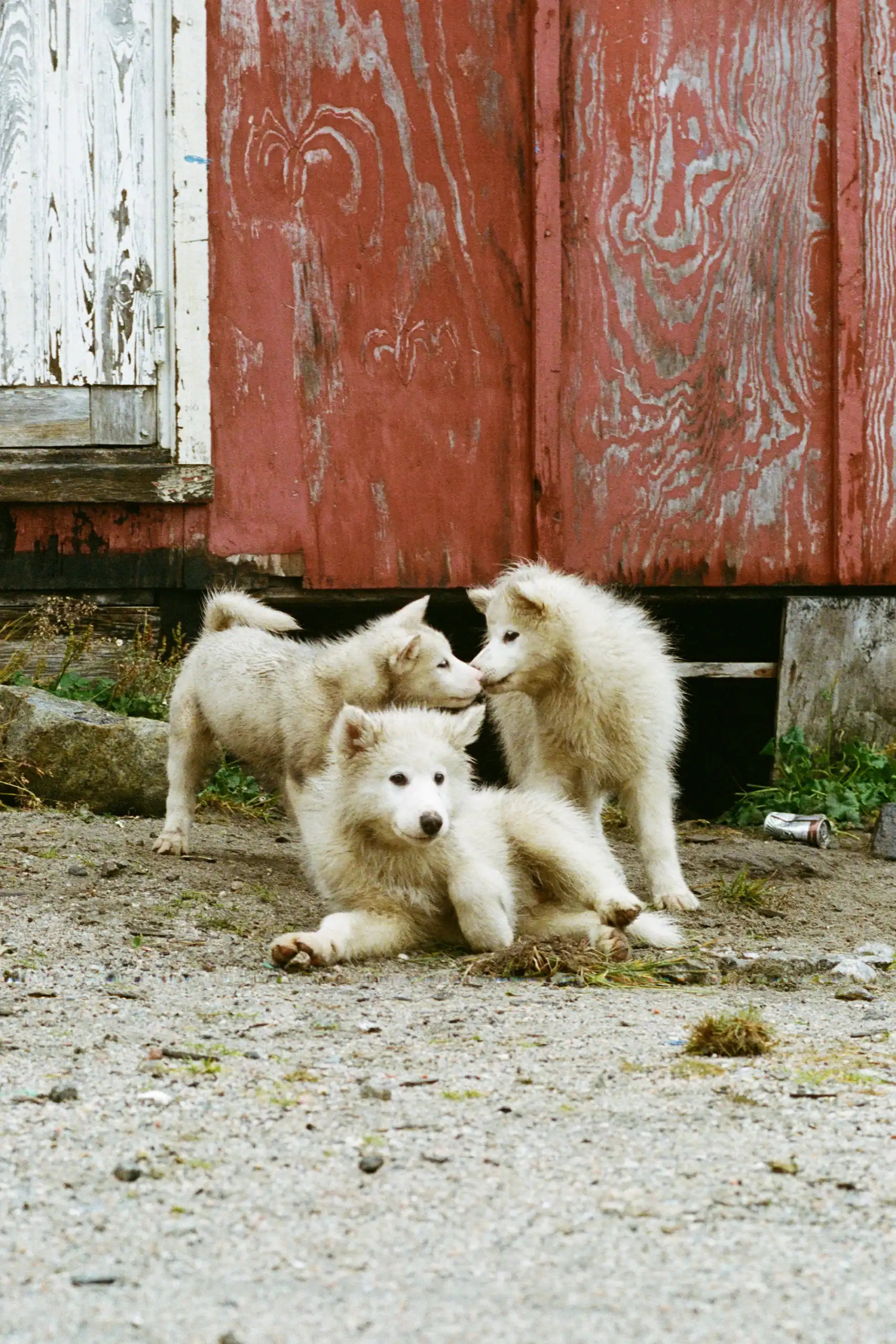
Super 8 Film Video by Benj
To complement his evocative still images, Benj took a nostalgic leap by producing a short video on Super 8 film – perfectly capturing the timeless charm of East Greenland’s icy frontiers.
Visit East Greenland: Have you faced any issues transporting undeveloped film through airport security?
Benj Story: I always request a hand check for my film, although it didn’t happen on this trip. My film went through all the X-ray machines without any issues. In my experience, unless it’s the new CT scanners, X-rays don’t seem to affect film significantly.
Visit East Greenland: Can you share a particularly memorable experience or photograph from your time in East Greenland?
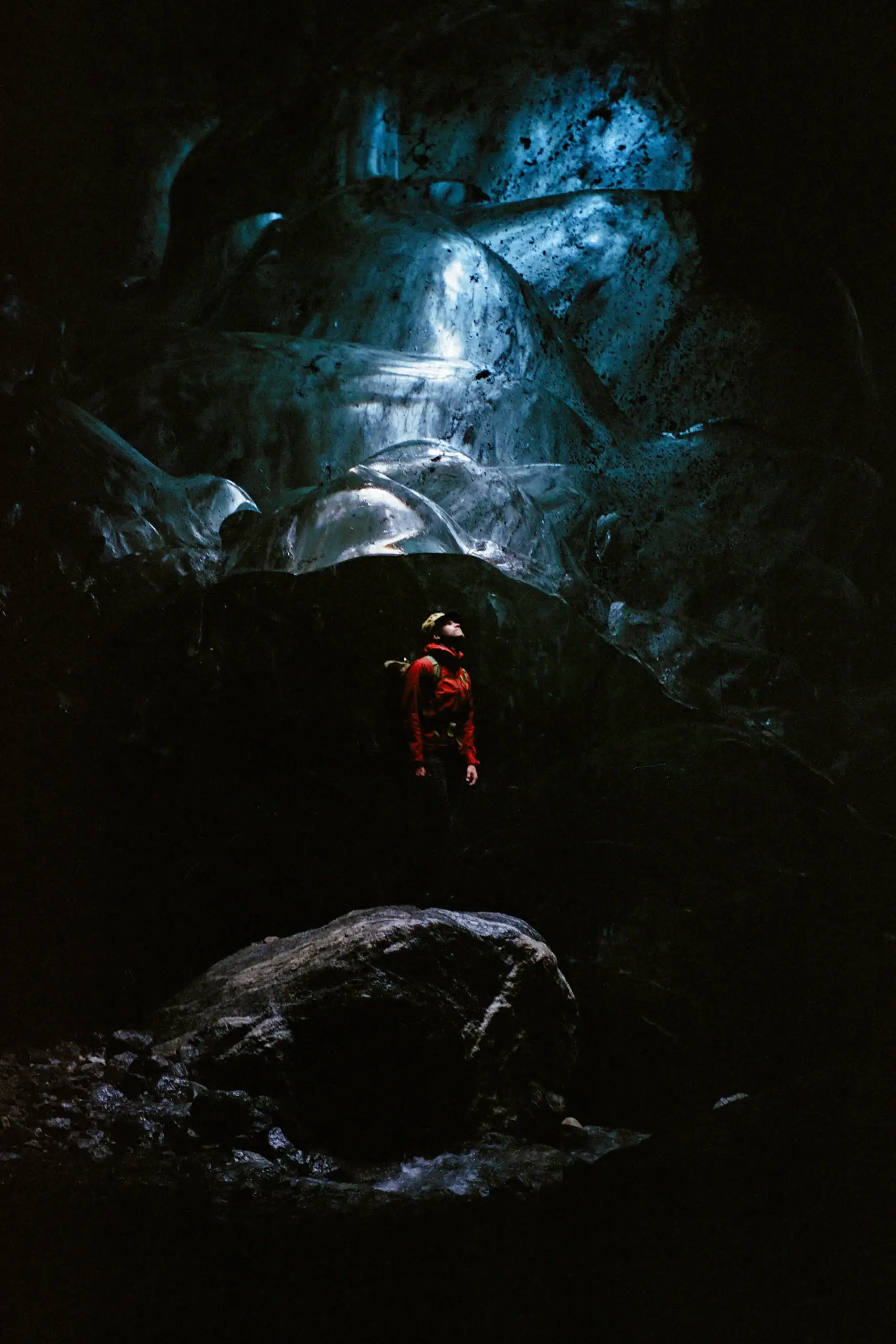
Benj Story: Camping with the guides was a highlight. We had the opportunity to shoot during sunrise and sunset, which offered the most dramatic lighting conditions. Many of the tours operate during midday when the light is less favourable for photography, but camping allowed us to explore and photograph in the golden hours. One of the sunset boat tours was also exceptional. We witnessed incredible light and saw whales breaching on the horizon. One of my favourite images, however, came from an ice cave, where the lighting conditions were the least favourable for the film. I was surprised the images came out at all!
Visit East Greenland: What advice would you offer to photographers interested in exploring East Greenland with film cameras?
Benj Story: I’d recommend bringing extra batteries, as the cold can drain them faster. Other than that, the preparations for film photography are similar to digital. Choose the right film stock to achieve the desired look, but that’s a creative decision unique to each photographer.
Visit East Greenland: Do you think East Greenland is a good fit for a film photography destination?
Benj Story: Absolutely! It’s a fantastic location for photography in general. It could benefit from more photography-focused tours that take advantage of the best light and time of day. Visiting the settlements at sunset, for example, offers a drastically different experience compared to midday. I’d also love to shoot there in winter with the snow.
Visit East Greenland: Any final tips for our readers who also shoot analogue?
Benj Story: Shoot as much as you can afford and have fun with it! Learn from your mistakes and experiment with different film stocks to achieve the look you want. With practice and understanding, the outcome shouldn’t be a surprise.
A Conversation with Marek Micanek
Visit East Greenland: Marek, could you start by telling us about your photography journey – how you got into shooting film, and what inspired you to travel to Ittoqqortoormiit for this particular project?
Marek Micanek: My photography career started around 2012 with a fascination for fashion photography. I began shooting film around 2016 with my first medium format camera, an old Mamiya 645. Soon after, I dove into darkroom printing and worked for several fashion magazines. In the last 2–3 years, I’ve been exploring different possibilities, my artistic intentions, and spending more time in nature. The opportunity to travel to Ittoqqortoormiit came through a friend, and I simply couldn’t say no. It was something so different and raw – it changed me.
Visit East Greenland: You visited Ittoqqortoormiit and managed to explore it on your own. How did immersing yourself in this remote settlement shape your approach to film photography, and what aspects of local life or landscape most influenced your work?
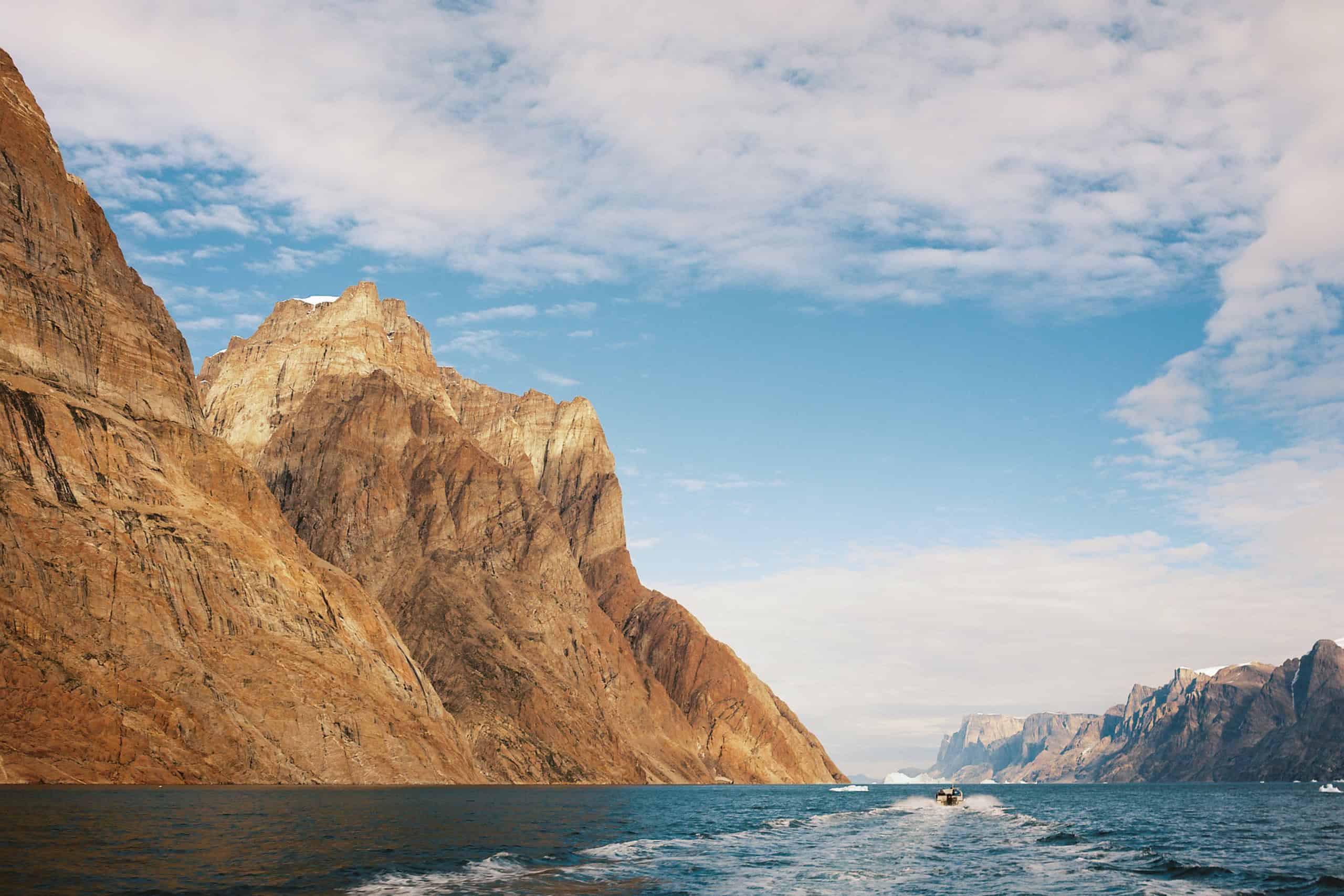
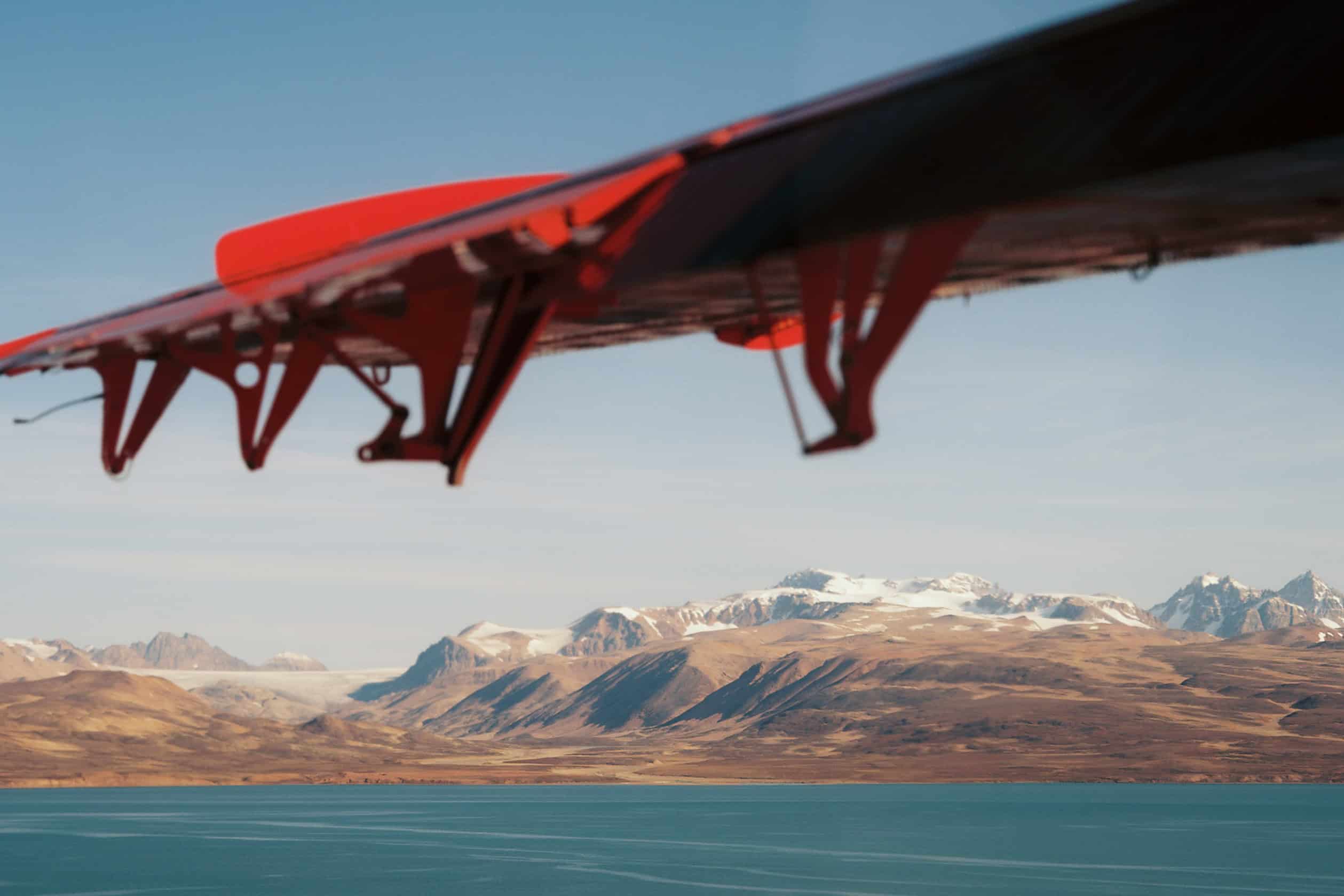
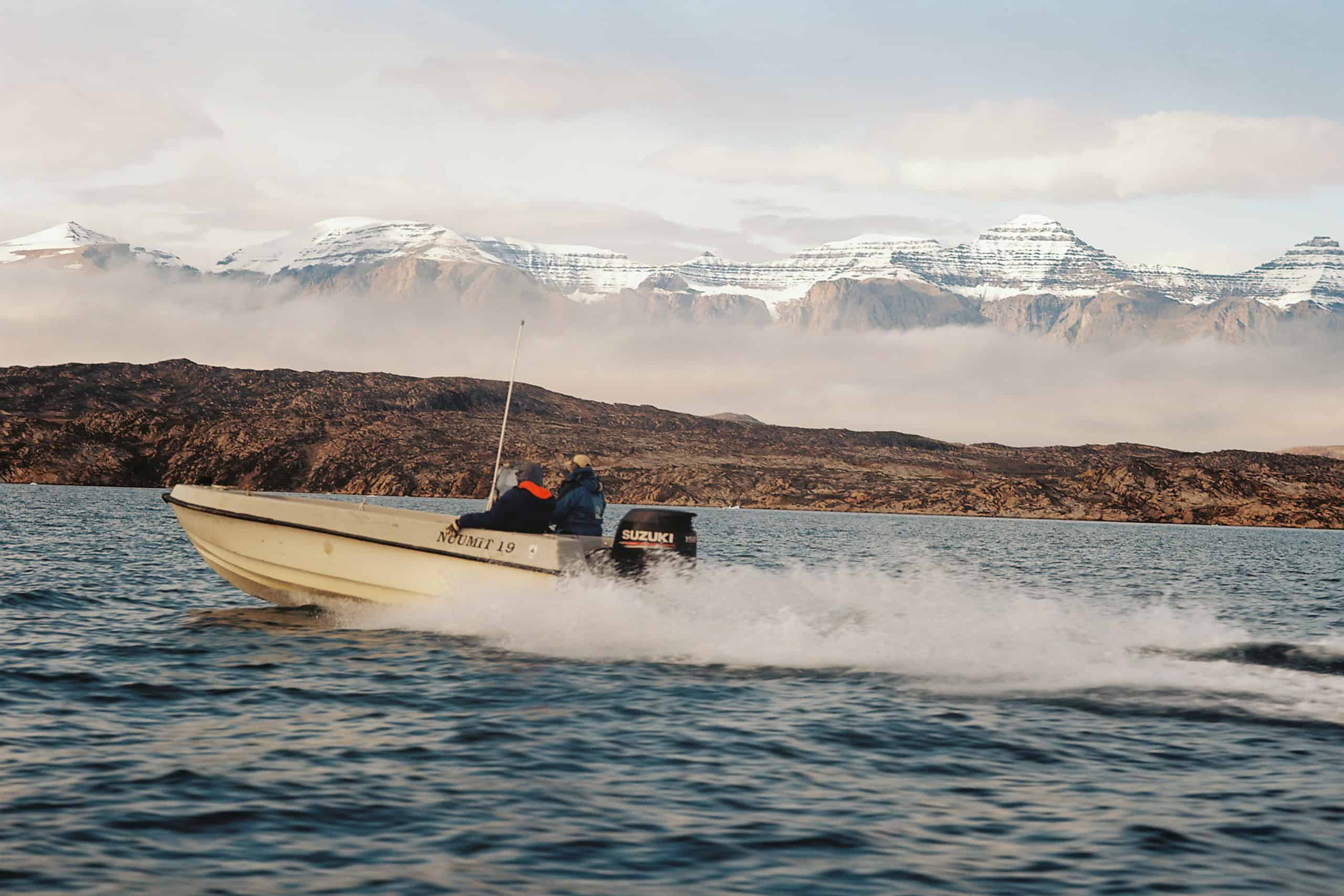
Marek Micanek: I planned to focus more on people, capturing their essence and lifestyle. Very soon, I realized they’re hardworking people who don’t have time to pose or show off. So, I shifted to the land – landscapes and nature – which is something I can easily get lost in. I loved observing different structures and colours, whether flying over the area, sailing by boat, or just hiking on foot. We didn’t have many sunny days, maybe four or five, so I had to work in gloomy or rainy conditions. But later, in the darkroom, I was able to appreciate every fleeting moment all over again.
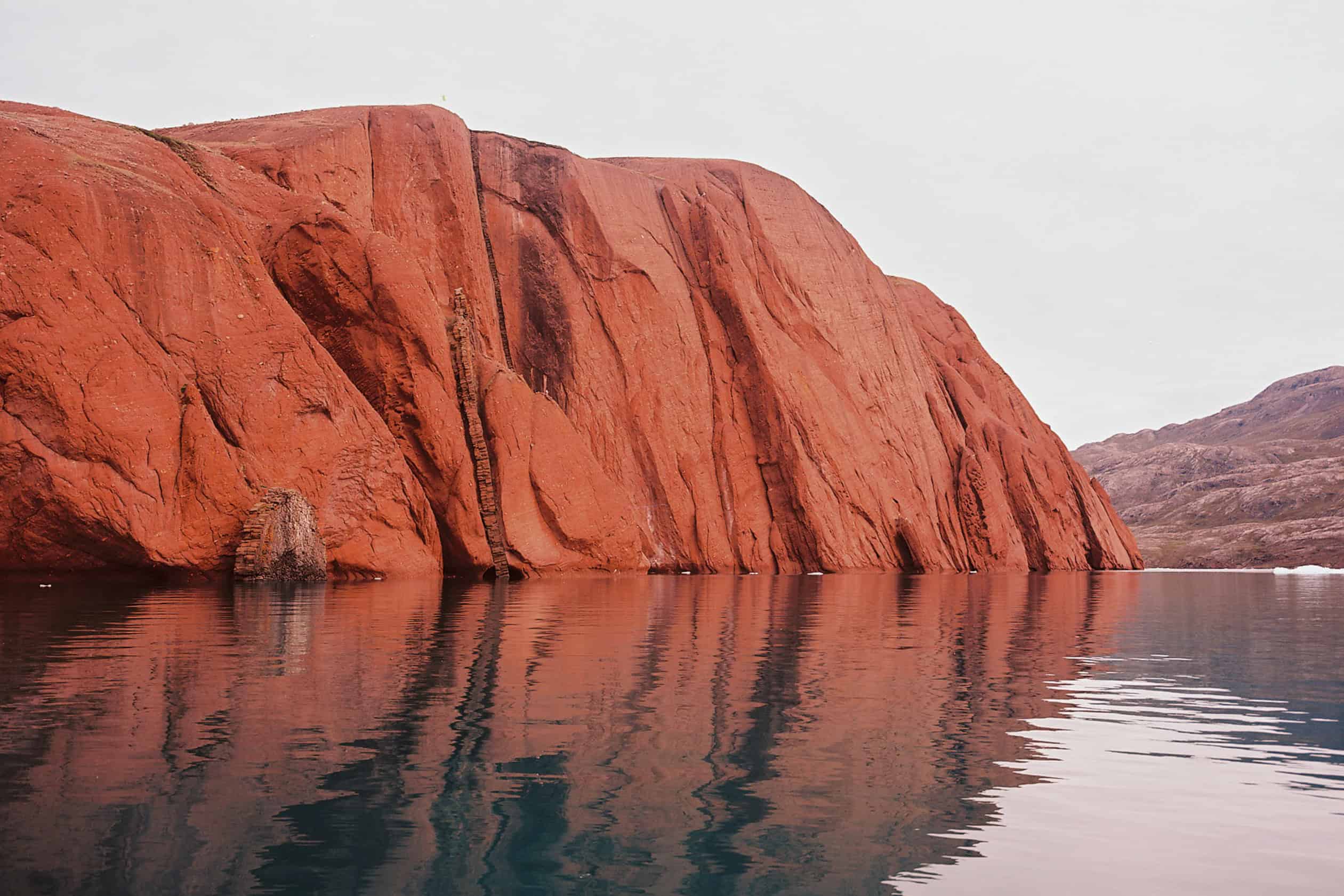
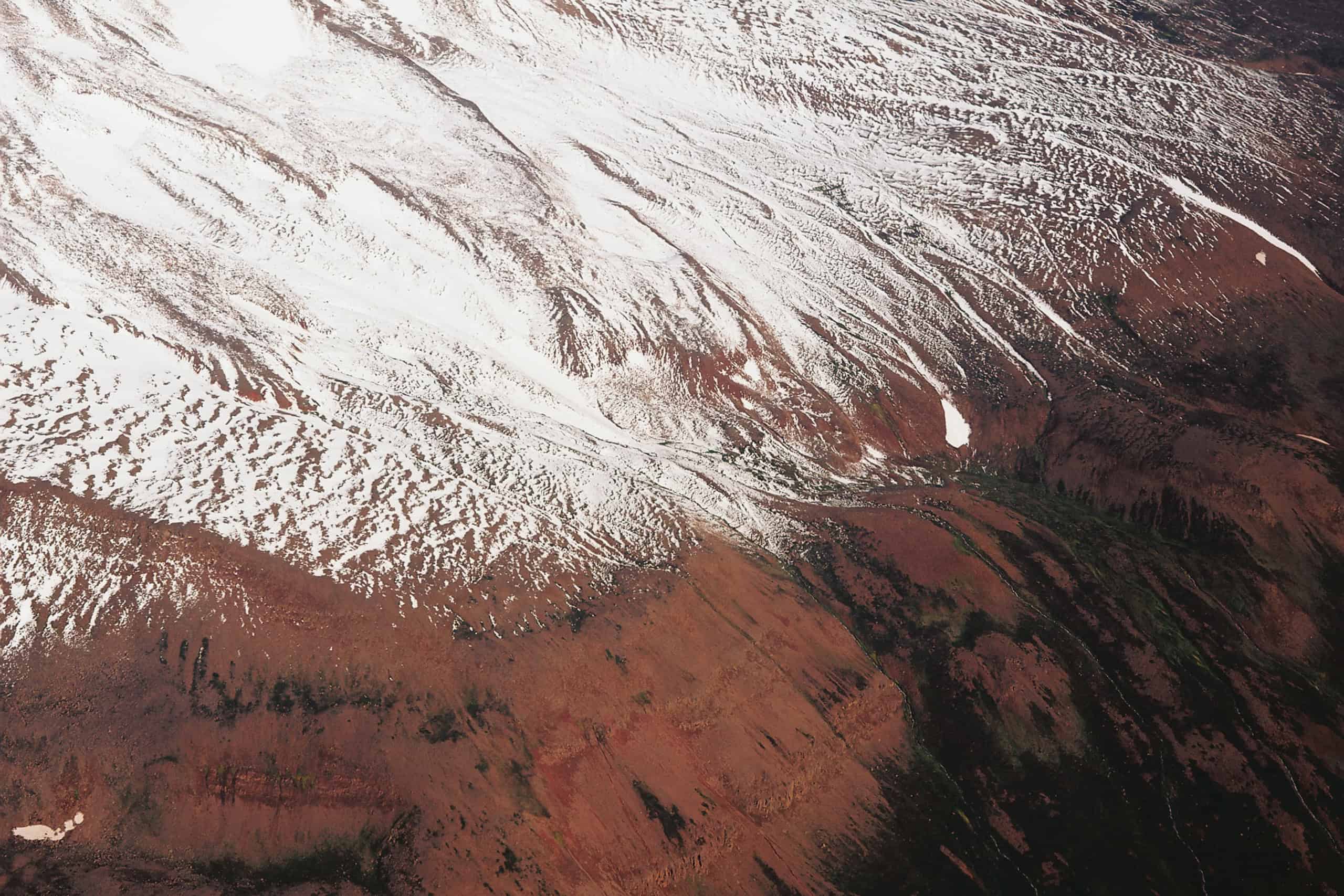
Visit East Greenland: Looking back on your time in Ittoqqortoormiit, is there a single shot (or perhaps an entire roll) that holds special meaning for you? What story does it tell about the community, the land, or the essence of East Greenland?
Marek Micanek: My favourite shot is probably of this colossal iceberg – around 300 metres wide. It was a majestic sight, difficult to put into words. Interestingly, before arriving in Greenland, I captured an image in Iceland with a very similar composition but almost as if it were a negative of the iceberg shot. Seeing them side by side as a diptych feels very powerful and symbolic to me.
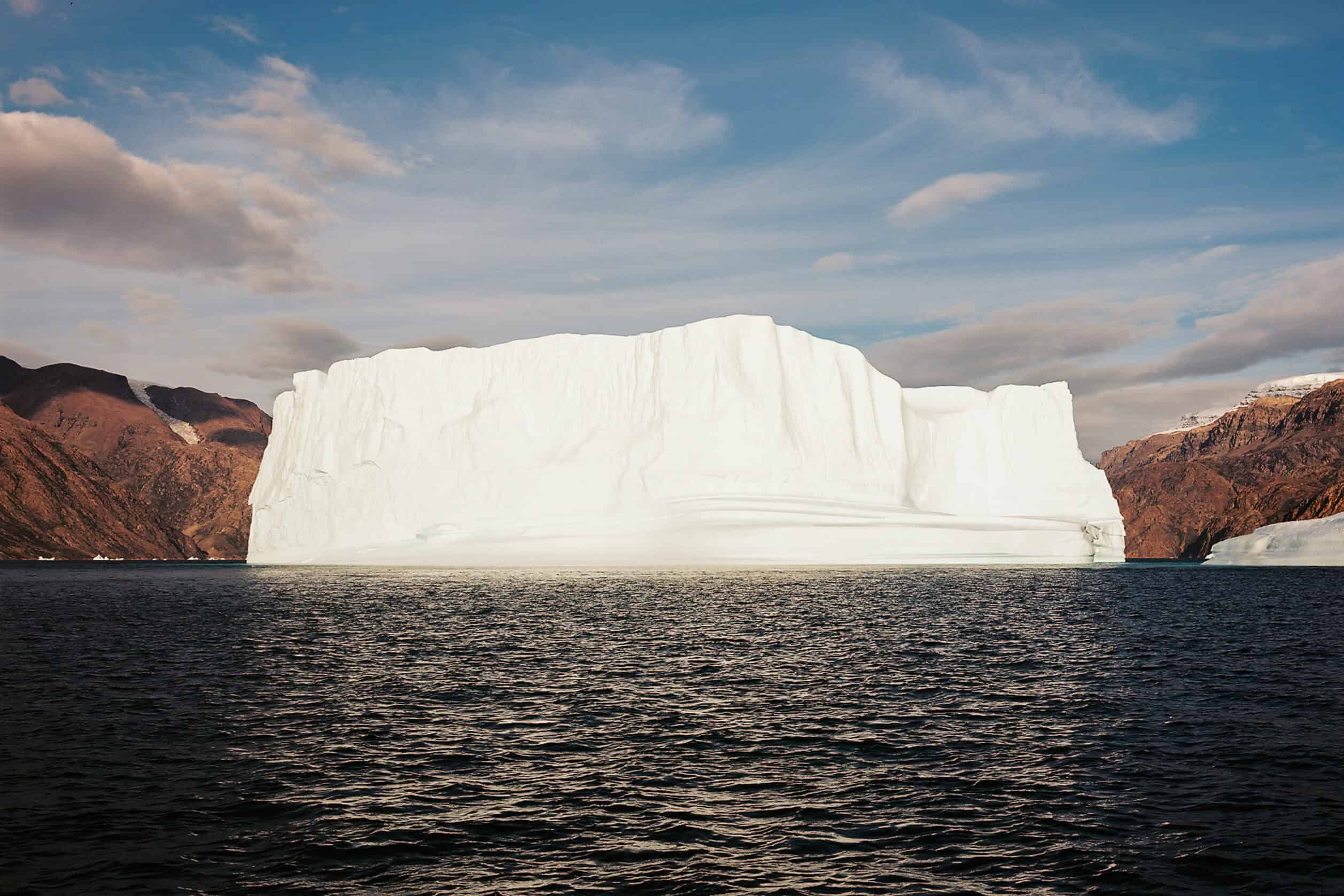
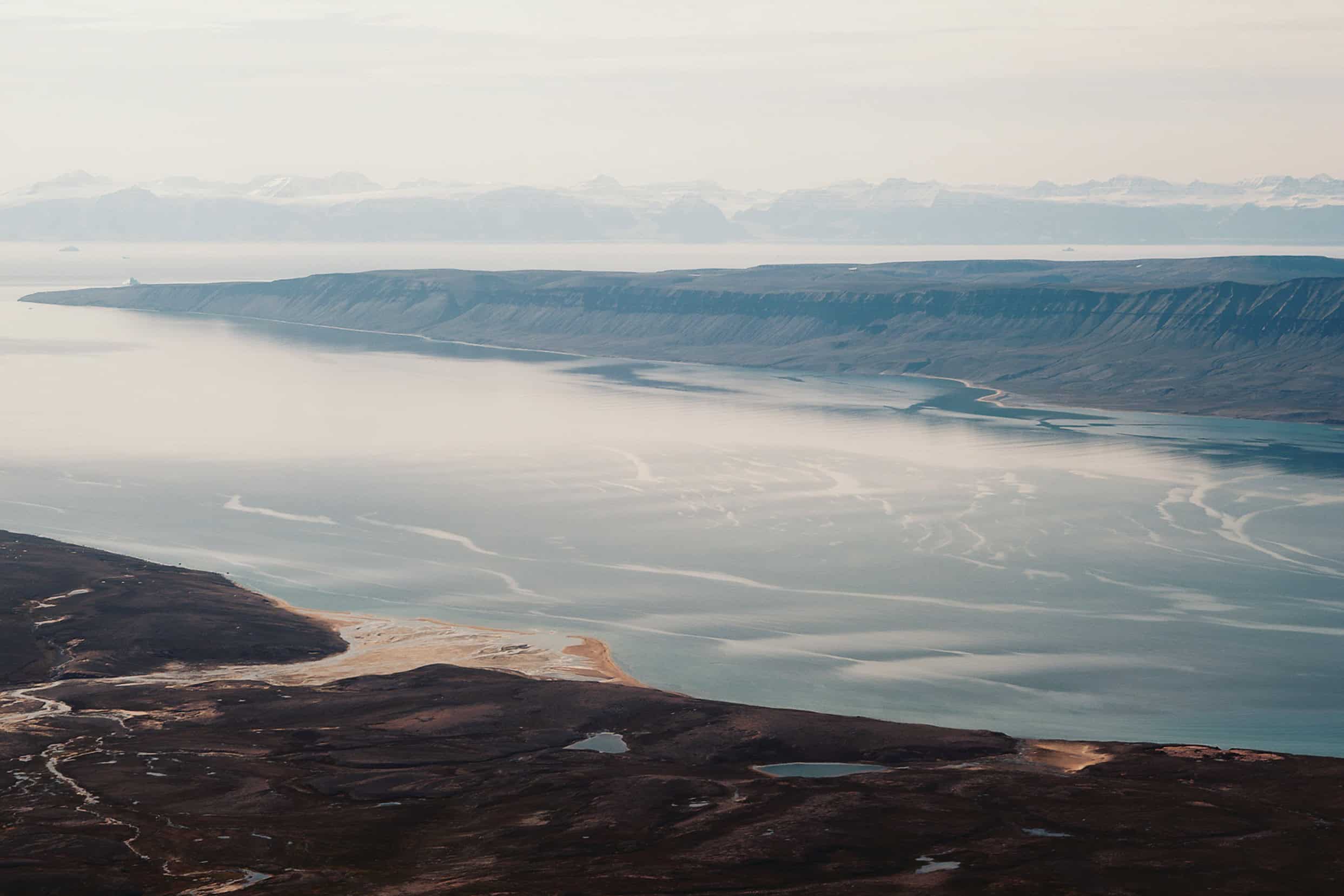
Visit East Greenland: Let’s get a bit technical: what film stocks, camera systems, or developing methods did you find worked best in East Greenland’s subarctic light and climate? Did you adjust your metering, push/pull processing, or gear maintenance because of the cold and limited resources?
Marek Micanek: I used my Mamiya 7 with 65mm, 80mm, and 150mm lenses. Most of the images were on Ektar 100, pushed +1 or +2, with a few on Portra 400 and 800. I typically relied on the Mamiya’s in-camera metering but was always overexposed by one stop, because I often didn’t have time to measure separately. The climate was challenging; I broke my Mamiya 7’s rangefinder system on the second day while changing lenses on a moving boat, so I had to guess the distance afterwards – or use a second camera for reference.
Visit East Greenland: Based on your experience, what advice would you give to other film photographers wanting to spend more than just a couple of days in East Greenland?
Marek Micanek: Bring sturdy gear – or at least two bodies – because accidents happen. Also, faster films can be a lifesaver in gloomy conditions, so a mix of ISO 100, 400, and 800 is a good idea. At airport security, insist on manual checks for your film. It can be annoying for staff, but it’s worth it, considering the multiple flights needed to get in and out of Greenland. Finally, don’t forget proper gloves – you’ll need them!
Embracing the Analogue Adventure
From Benj’s journey through glacial fjords to Marek’s deep dive into life in Ittoqqortoormiit, these two film photographers highlight why East Greenland continues to captivate those with a passion for analogue images. Each story underscores the importance of slowing down, truly engaging with this remote Arctic realm, and embracing the unique challenges posed by its landscapes and weather.
Whether you’re exploring the vast ice fields near Sermilik or mingling with local inhabitants in Ittoqqortoormiit, East Greenland invites you to pick up a film camera and immerse yourself in a land where time seems paused, and each frame tells a story of elemental beauty. As both Benj and Marek discovered, this is a place where the delicate interplay of light and ice can turn every shot into a work of art – and where the slightest mishap can become part of the adventure.
So why not answer the call of the Arctic? Pack your rolls of film, prepare for multiple flights, bring a backup camera body, and be open to the unexpected. East Greenland’s hushed ice-scapes and resilient communities may just reveal images you’ll treasure forever – moments frozen in time, telling tales of an Arctic frontier where analogue thrives in the midst of some of nature’s most breathtaking wonders.
Plan Your Trip
Plan your East Greenland adventure, tapping into local knowledge, expert tips, and essential planning tools.

Towns & Settlements
Explore East Greenland’s quaint towns and remote settlements, discovering unique landscapes, rich culture, and rugged Arctic beauty.
Tour Providers
Once you’ve chosen your adventure, book your East Greenland journey through local operators or plan it independently.
Articles
Read through our curated articles about East Greenland, deepening your insight into its seasons, traditions, and wonders.
Resources
Discover East Greenland’s essential resources and planning tools, ensuring deeper insights, trusted guidance, and a fulfilling adventure.