


East Greenland is one of the last truly wild frontiers on Earth. But what makes it so unique?
Its remoteness plays a major role. Situated along the vast Greenland Ice Sheet, which covers roughly 80% of the island, East Greenland remains one of the least accessible regions in the Arctic. Reaching this part of Greenland requires careful planning, limited transport options, and patience. These logistical realities shape everyday life here, from infrastructure and supply routes to communication and travel. Visitors quickly realise that East Greenland is a place where nature sets the pace. The weather often decides the schedule, and travellers must learn to move with it rather than against it. Here, towering mountains plunge into iceberg-filled fjords. Arctic wildlife thrives in remote landscapes, and traditions that have ensured survival for centuries remain deeply woven into daily life.
If you are planning your journey, here is everything you need to know before visiting East Greenland.
Why Visit East Greenland?
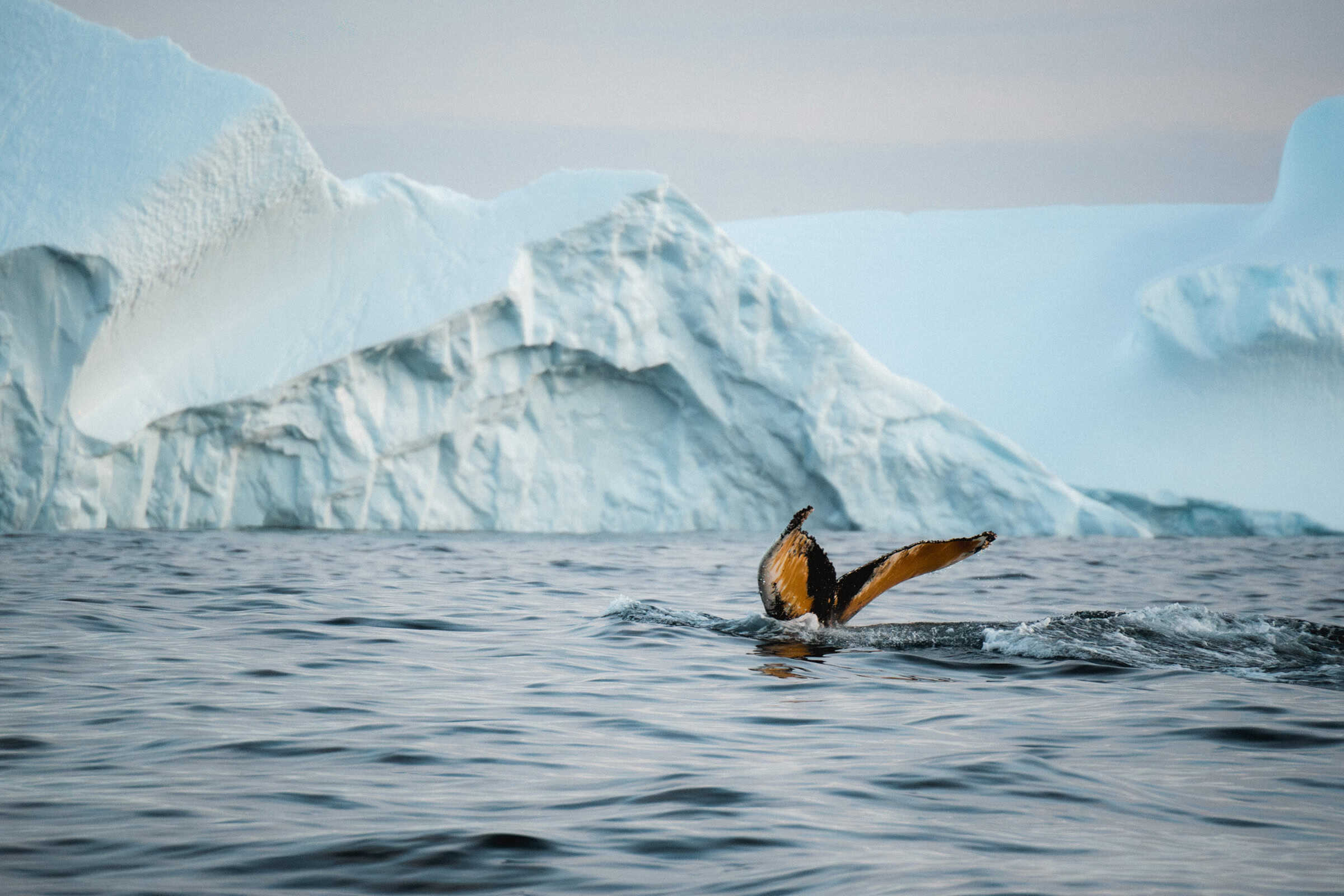
East Greenland is a destination defined by its atmosphere as much as its landscapes. You experience nature with all your senses. Here, mountains, fjords, and sea ice are part of everyday life and cultural identity. Generations have adapted to these conditions, creating knowledge and traditions that remain deeply rooted in the region. The pace of life in East Greenland follows natural rhythms shaped by seasons, weather, and the surrounding environment. Visitors often find themselves slowing down, observing more, and experiencing a deeper connection with nature and local culture. East Greenland invites visitors to disconnect from everyday noise and reconnect with nature, culture, and a slower rhythm of life.
The region offers vast fjords, moving glaciers, dramatic mountain landscapes, and communities shaped by Arctic traditions and seasonal living. Experiences here unfold naturally, guided by weather, light, and the environment. Visitors often discover that East Greenland is not about rushing between attractions, but about being present, observing nature, meeting local communities, and experiencing the Arctic in its most authentic form.

Must-Know Geography & Key Destinations
East Greenland is divided into two main travel regions, each offering distinct landscapes and experiences.
The Ammassalik Region
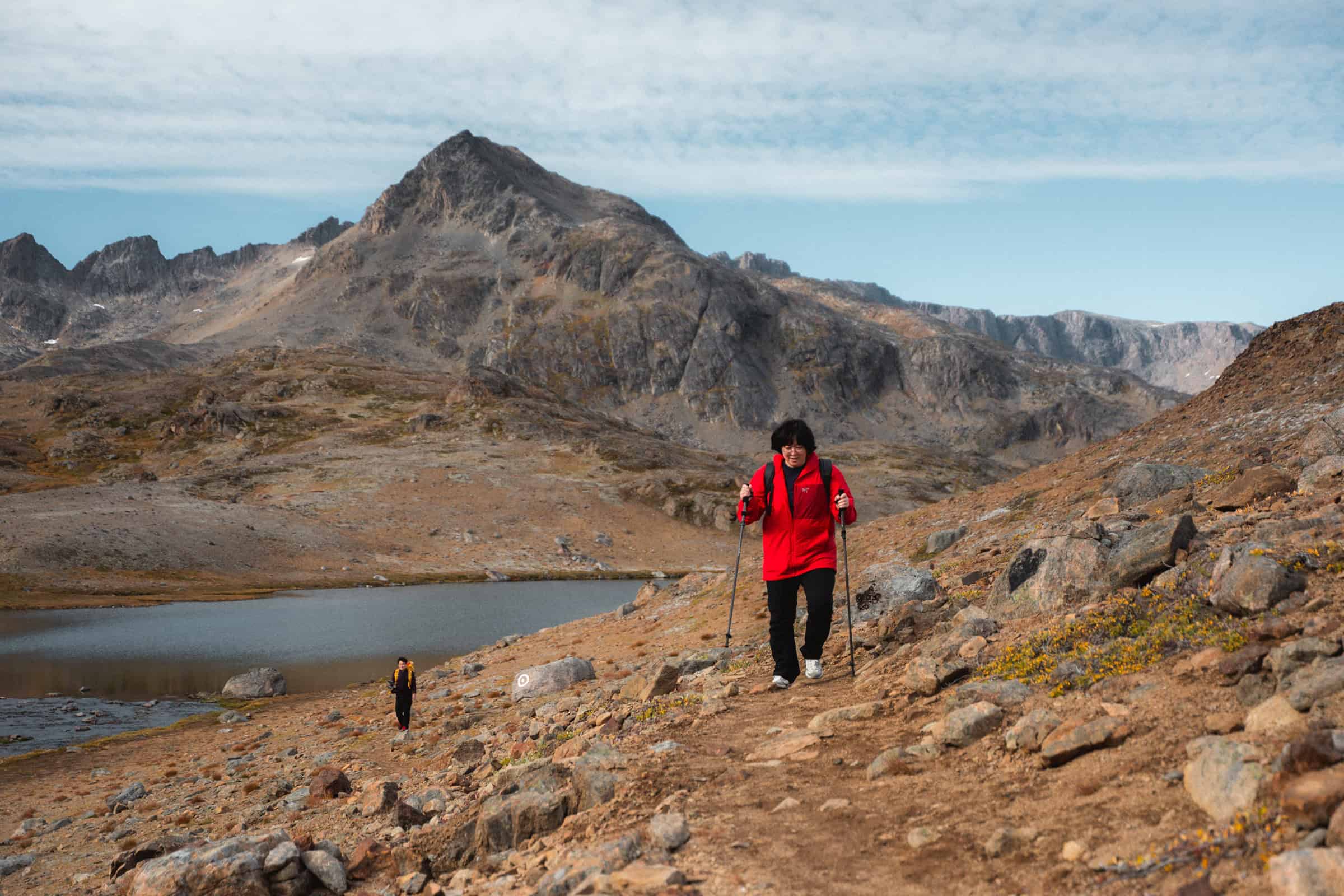
Tasiilaq is the largest town in East Greenland and the main gateway to the Ammassalik region. Surrounded by steep mountains, glaciers, and a network of islands and fjords, this area offers excellent opportunities for hiking, kayaking, boat excursions, and visits to nearby settlements.
The Ammassalik region is known for its striking contrasts, colourful houses set against dramatic mountain scenery and traditional lifestyles closely connected to the surrounding nature.
The Ittoqqortoormiit Region
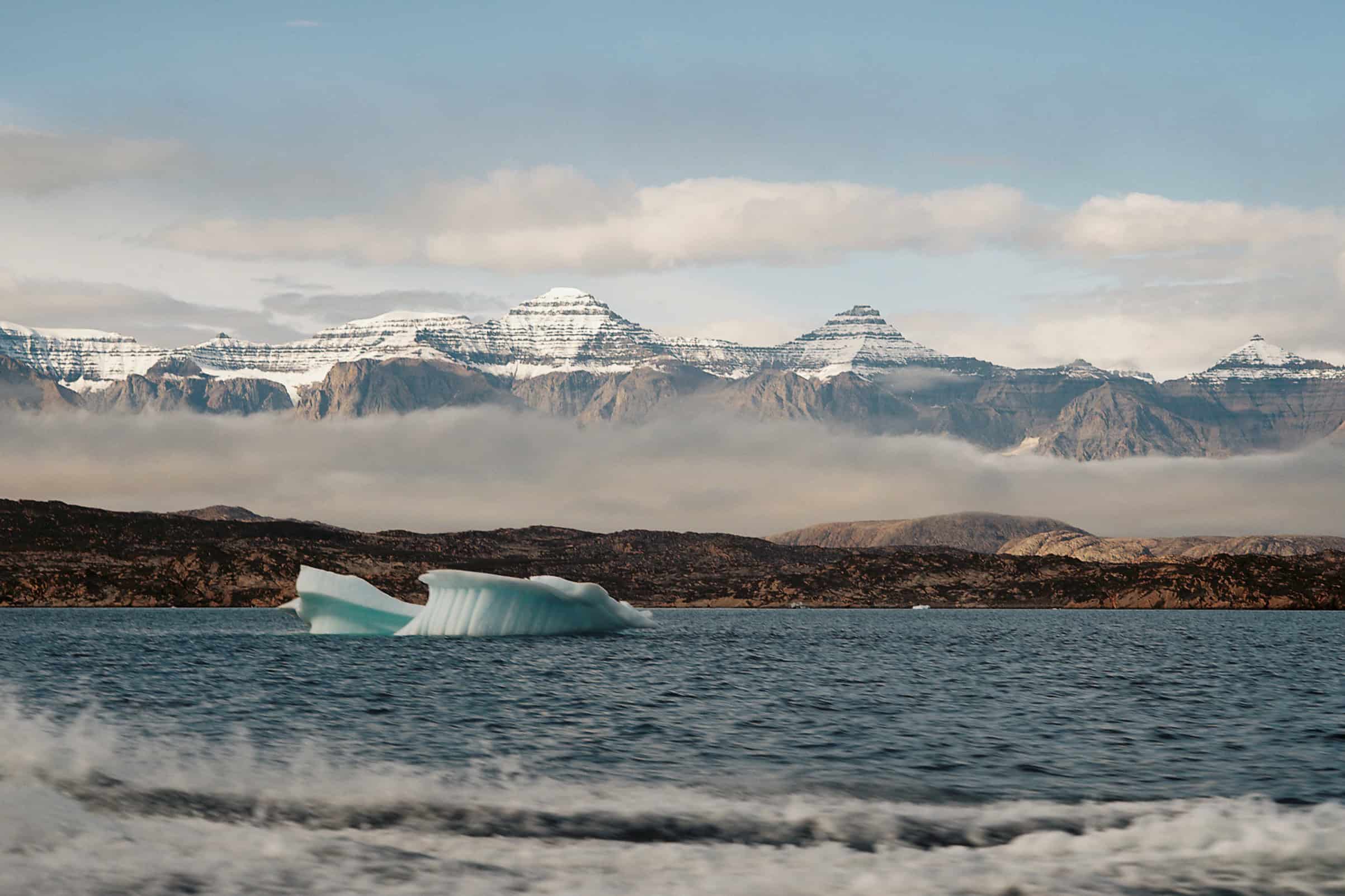
Further north lies Ittoqqortoormiit, one of the most remote communities in the world. The town is located at the entrance to Scoresbysund, the largest fjord system on Earth.
Visitors here encounter immense Arctic landscapes, enormous icebergs drifting silently through the fjords, and opportunities for extraordinary wildlife encounters. The region offers a true expedition-style experience where nature dictates both pace and possibilities.
Travel Logistics
How to Get There
Most visitors reach East Greenland via Iceland, typically flying to Kulusuk Airport near Tasiilaq or Nerlerit Inaat Airport near Ittoqqortoormiit. Due to limited flight capacity and high demand, especially during peak travel season, early planning is essential. You can also reach Kulusuk from Greenland’s capital, Nuuk.
Getting Around
There are no roads connecting towns or settlements in East Greenland. Transportation relies on:
– Small aircraft connect East Greenland internationally to Iceland, or from Kulusuk airport also nationally to Nuuk, the capital of Greenland
– Boats during the summer months
– Snowmobiles and dogsleds during winter
– One helicopter is available year-round that services locals, tourists and supplies between the town and settlements.
This mode of transportation defines travel in East Greenland and contributes to its remoteness.

When to Visit East Greenland
East Greenland has two main travel seasons: summer and winter. Each season offers completely different landscapes, activities, and travel opportunities. The best times to visit are defined by infrastructure availability, access, and experiences.
Summer
Late June – September
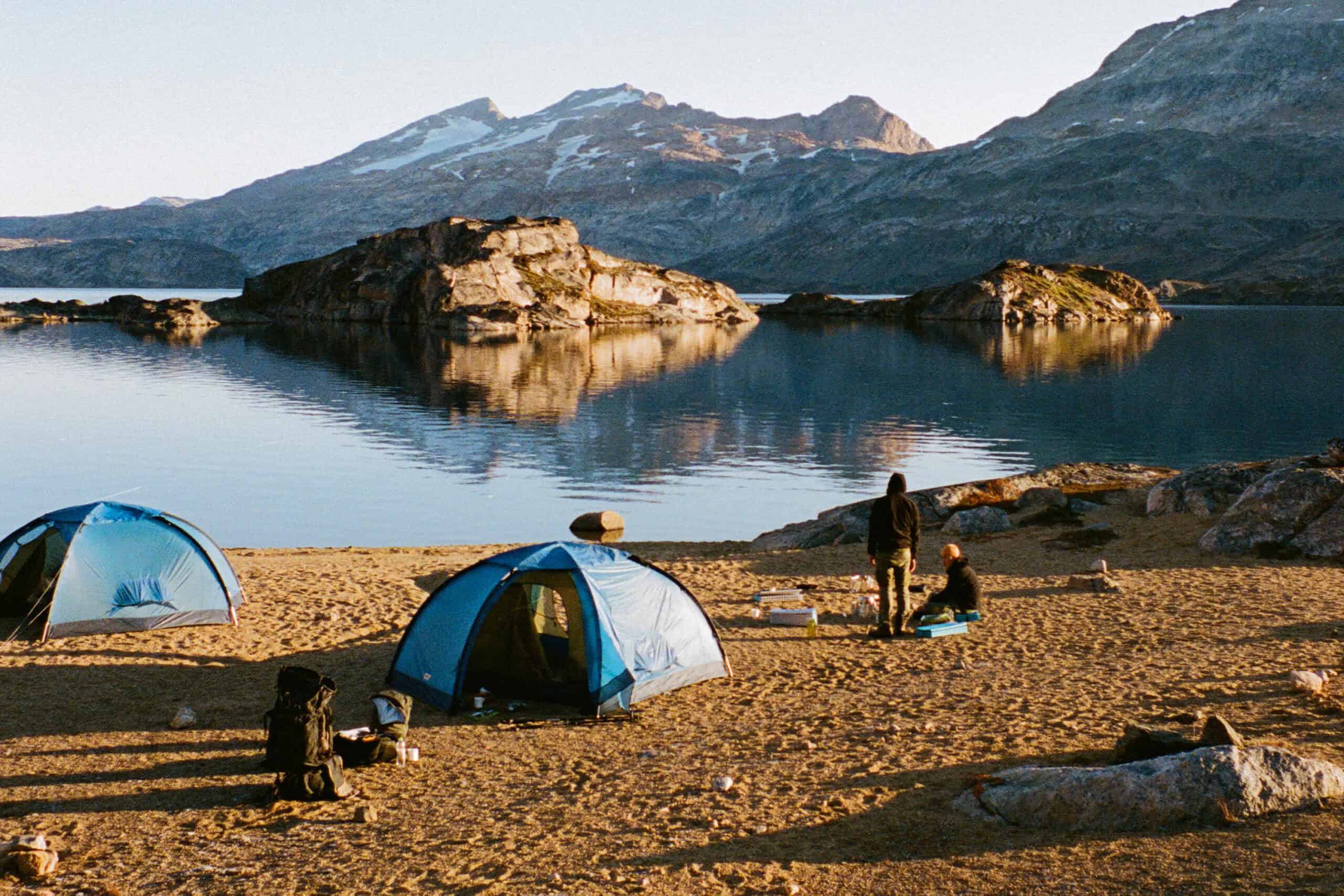
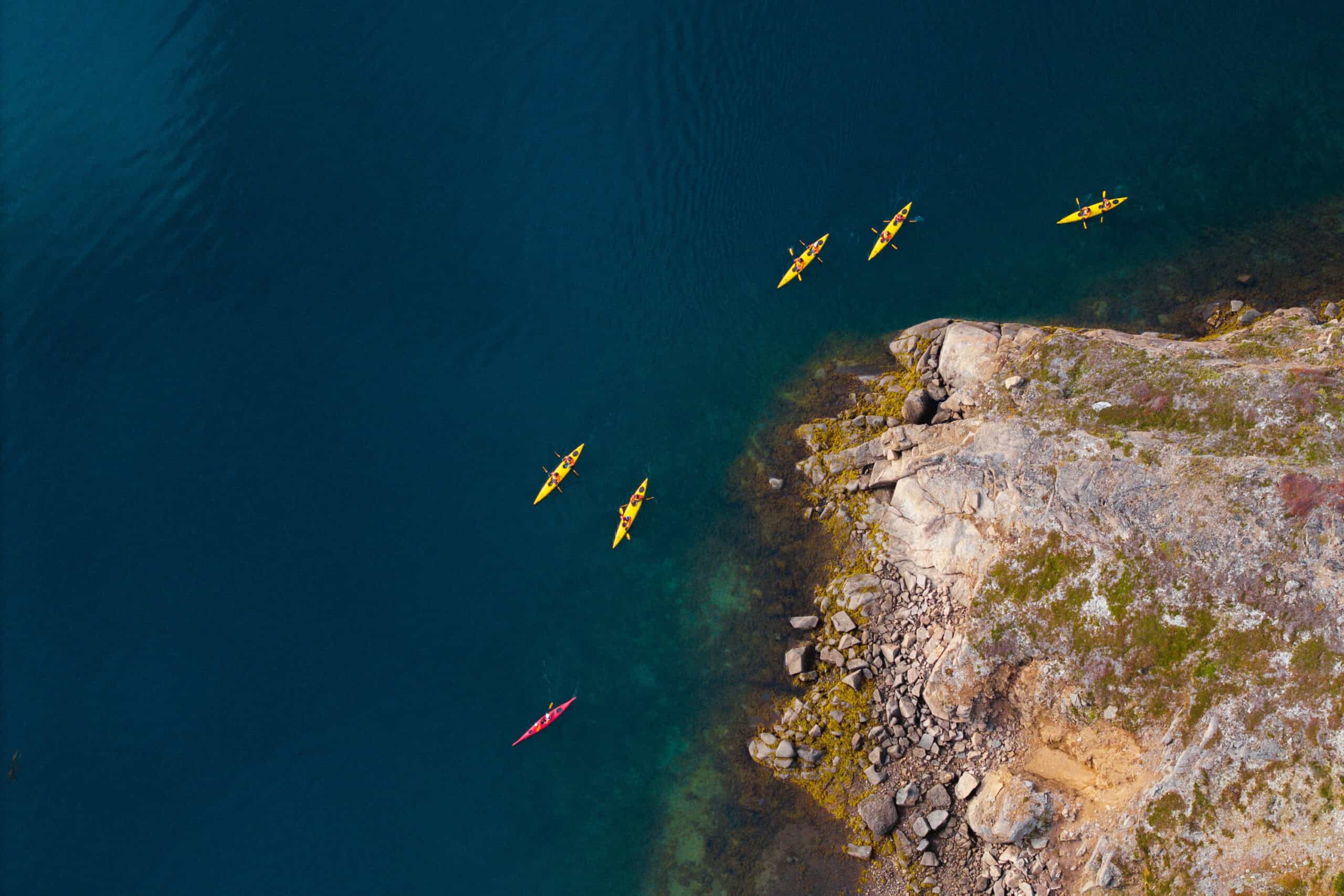
Summer brings long daylight hours, milder temperatures, and open access to fjords and mountains. It is the best time for:
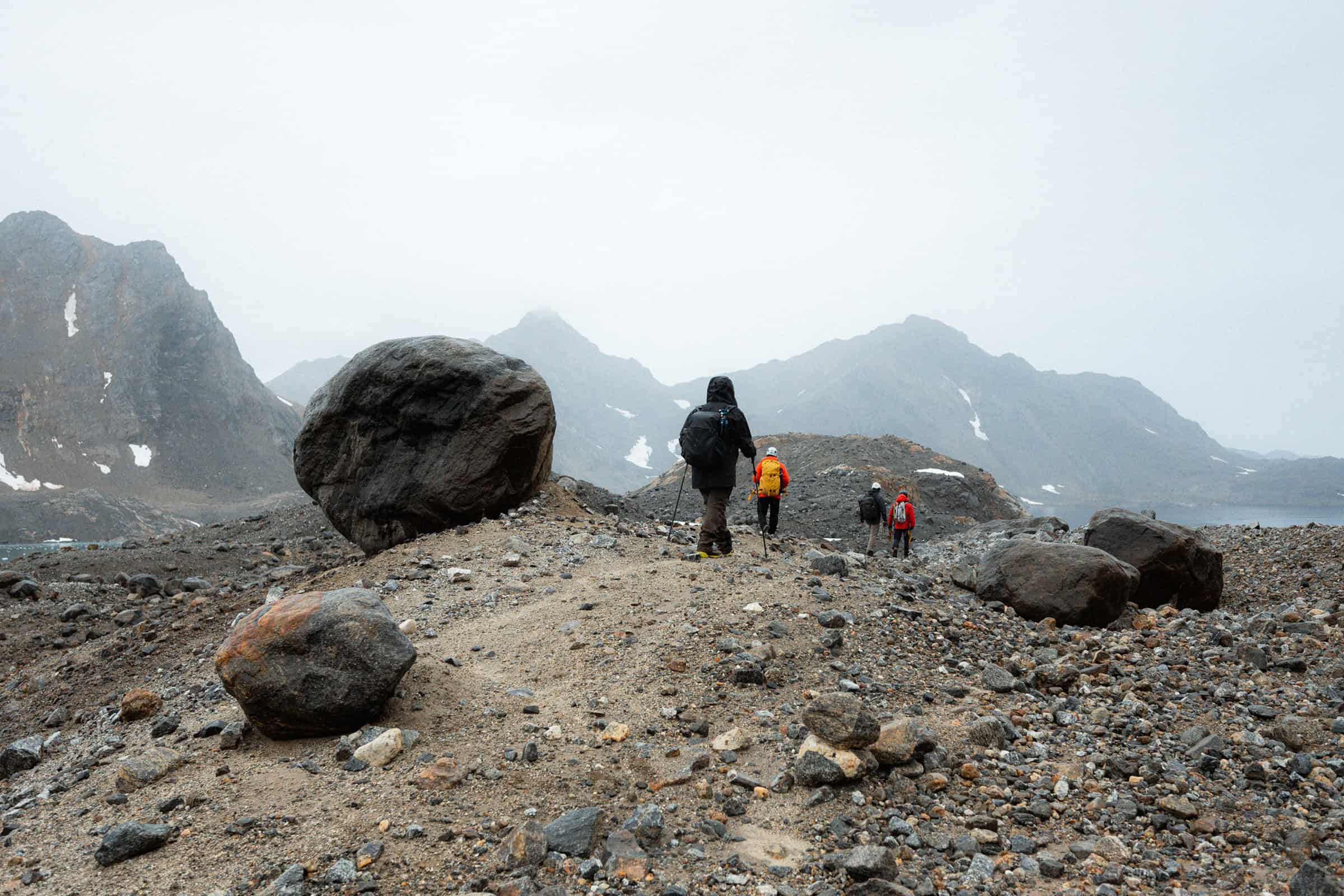
– Hiking through dramatic mountain terrain
– Kayaking among icebergs
– Boat excursions to glaciers and remote settlements
– Whale watching and birdlife observation
Winter
Mid-February – May
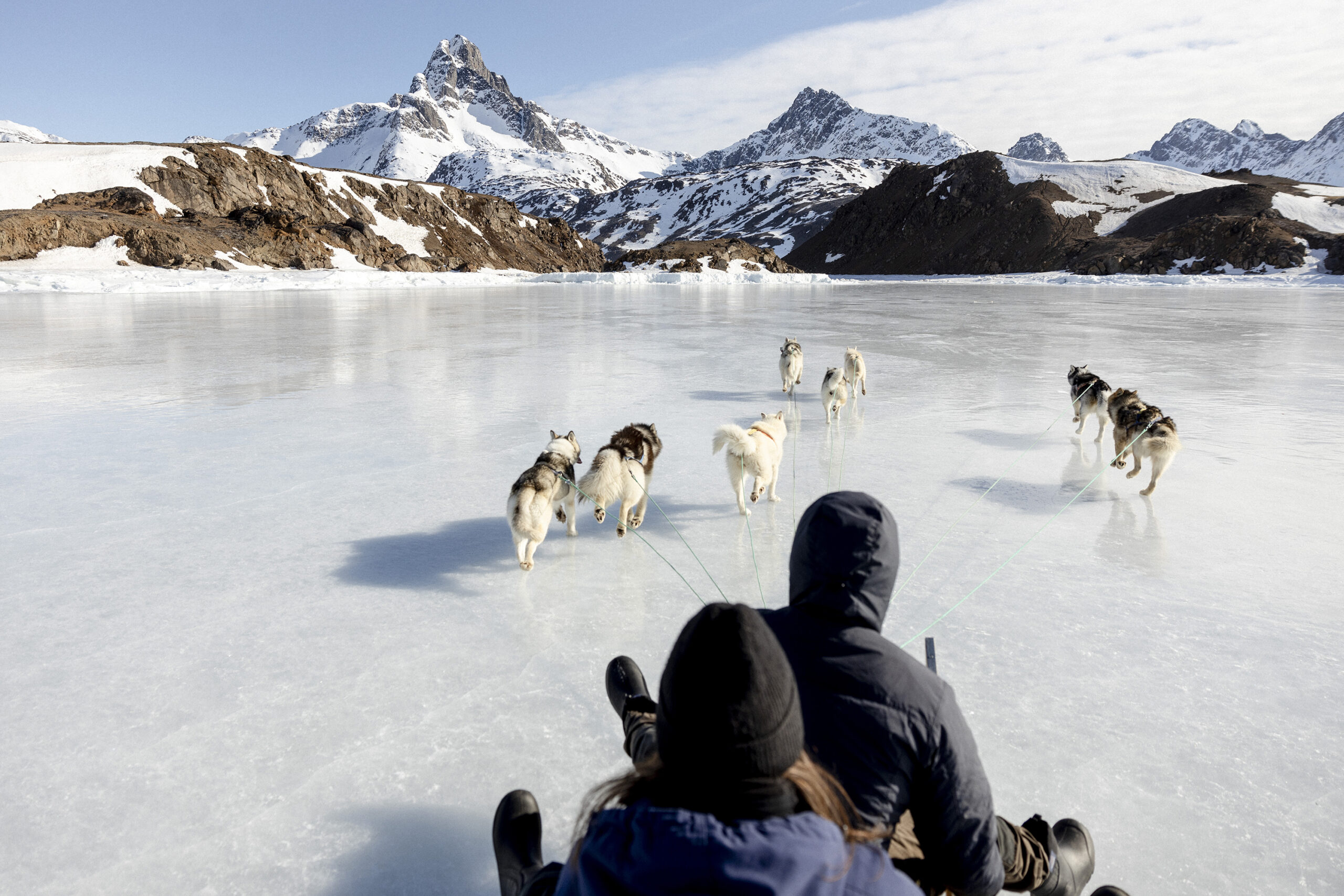
Winter transforms East Greenland into a snowy Arctic wilderness. Visitors can experience:
– Northern Lights viewing
– Dog sledding and snowmobiling
– Ice fishing and winter hunting traditions
– Frozen fjords and deep Arctic silence
Choosing when to visit depends entirely on the type of Arctic experience you are looking for. Learn more about the possibilities in summer and winter, check out this article:
What to Pack
The weather in East Greenland can change quickly making proper preparation essential.
Essential/Non-negotiable Items
- Layered clothing for changing temperatures
- Windproof and waterproof outerwear
- Sturdy waterproof hiking boots
- Sunglasses and sunscreen (sunlight reflecting off snow and ice can be strong)
Seasonal Additions
- Mosquito repellent during summer
- Heavy insulated clothing, gloves, and thermal gear during winter
Culture & Local Insights
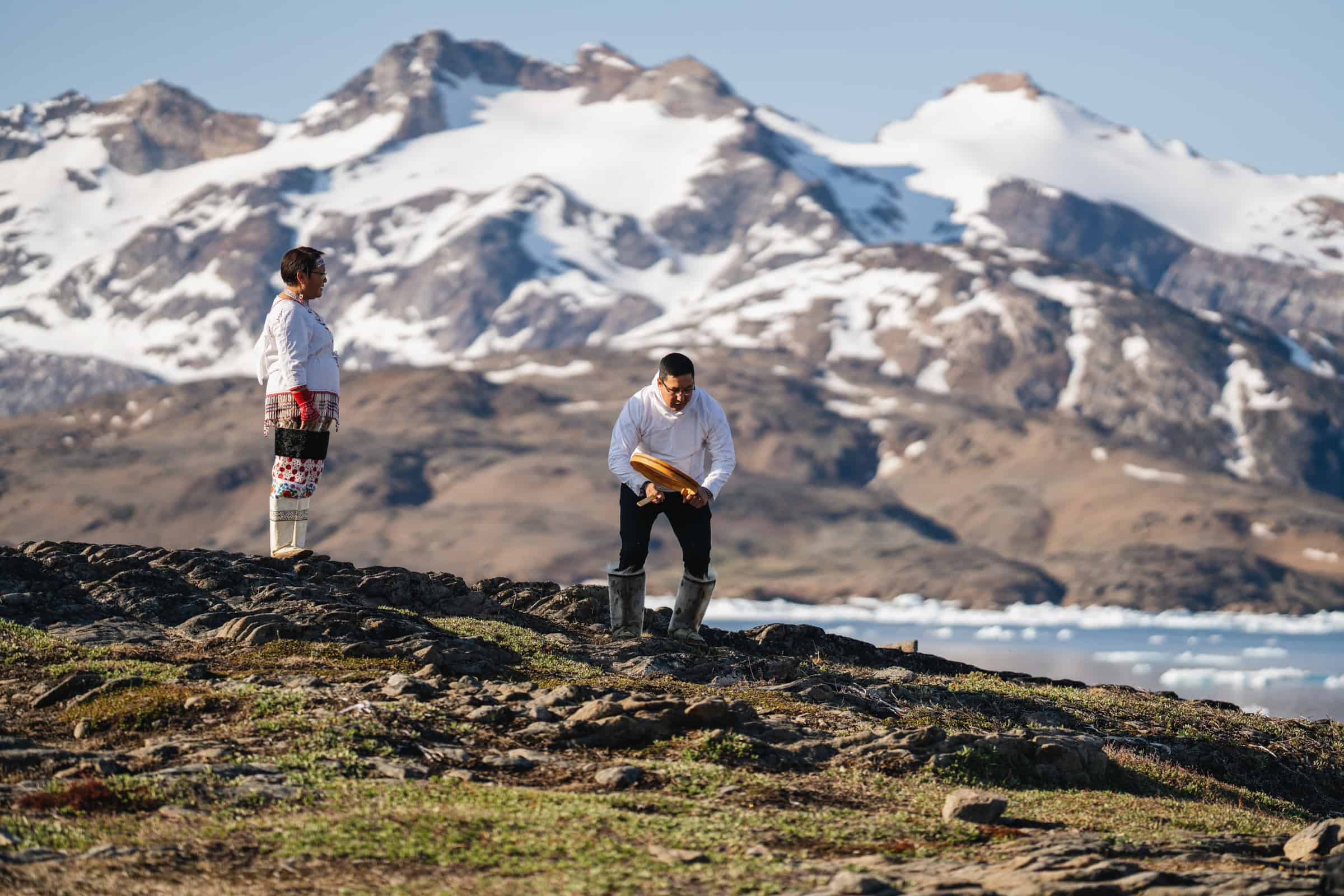
Life in East Greenland is deeply connected to nature. Communities are small, resilient, and shaped by seasonal rhythms and Arctic living conditions. Visitors are encouraged to respect local customs by:
- Asking permission before photographing people or private property
- Supporting local businesses, artists, and craftspeople
- Remembering that settlements are living communities, not museums
Meaningful cultural exchanges are often among the most memorable aspects of visiting East Greenland.

Stay Connected in East Greenland
Explore East Greenland with seamless connectivity! Stay online and share every breathtaking moment with reliable internet options.
Photo: Anna & Lucas Jahn
Food & Local Flavours
Greenlandic cuisine reflects Arctic resources and cultural heritage. Daily meals often rely on locally sourced food, particularly during winter when imported supplies may be limited or unavailable.
Visitors should note that fresh fruits, vegetables, and dairy products may not always be available due to infrequent supply deliveries. Keep this in mind when eyeing fresh fruits and vegetables or dairy products in the supermarket – it might have been quite a while since the locals last had access to buy some of that.
Tasiilaq is the only town in East Greenland with more than one supermarket. Other settlements typically have one central supply store. Tasiilaq also offers a small selection of cafés and takeaway options.
Fresh local food can often be purchased directly from fishermen and hunters, providing a unique connection to local food traditions.
Planning Your Journey
East Greenland rewards travellers who prepare carefully, travel responsibly, and remain open to unexpected changes. Whether visiting during endless summer daylight or beneath winter Northern Lights, the region offers one of the most authentic Arctic experiences in the world.
- Make sure to check the visa entry and entry requirements before travelling
- Consider bringing cash in Danish Kroner (DKK). Credit cards are widely accepted at supermarkets, but there is only one ATM in East Greenland, in Tasiilaq. Cash will come in handy when visiting settlements or local art workshops.
- Take advantage of disconnecting from the online buzz, as satellite connectivity is available in towns and settlements but not in remote areas.
- Let nature guide your journey. Travel in East Greenland follows Arctic rhythms, and flexibility allows you to experience the destination at its best.
Want to have all important information ready on hand in PDF format? Download our information guide here.

Why Trusting Local Guides Matters
Travelling in East Greenland is unlike visiting more accessible destinations. Weather, ice conditions, and accessibility can change rapidly, and flexibility is essential.
Most local tour operators in East Greenland are operated and staffed by year-round residents of the region. This gives them a deep, practical understanding of the landscape, weather patterns, sea ice, and seasonal changes. Local guides know which conditions allow for specific activities, which access points are safe, and when alternative plans are necessary.
Visitors are encouraged to trust their local guides and tour operators, especially when itineraries change. Adjustments are not compromises; they are often what ensure the safest, most rewarding, and most authentic experiences. By following local expertise, travellers gain access to places and moments that would otherwise remain unreachable.
Making the Most of Unexpected Arctic Time
In East Greenland, weather, sea ice, and natural conditions sometimes change travel plans. While this may feel unfamiliar to travellers used to fixed itineraries, these moments often become some of the most memorable parts of the journey.
Unexpected free time offers a chance to slow down and experience daily life in one of the world’s most remote regions. Rather than seeing schedule changes as lost opportunities, many visitors discover that these pauses create space for meaningful and authentic Arctic experiences. Travellers can use this time to explore towns and settlements at a relaxed pace, visit local craft workshops, learn about Greenlandic culture, or simply observe daily life in small Arctic communities. Weather changes can create dramatic light conditions, shifting ice landscapes, and unexpected wildlife encounters. Spending time near the coastline or overlooking the fjords often provides opportunities for quiet observation and photography. Unexpected free time also allows visitors to connect with their guides and hosts, who often share stories, traditions, and local knowledge that may not be part of a planned excursion. These conversations frequently become highlights of a visit. Many travellers later describe these unscheduled moments as when they truly understood the rhythm of East Greenland, where time follows nature rather than the clock.

Making the Most of Unexpected Arctic Time
Travelling in East Greenland requires flexibility and patience. Weather and ice conditions frequently influence travel plans, and this unpredictability is part of the Arctic experience. Distances are vast, and slower travel often leads to richer experiences. Visitors who embrace the rhythm of Arctic nature often leave with the most memorable journeys.
- Buffer day(s) during your adventure and after returning from your trip can come in handy
- Allow flexibility in your own schedule. Greenland travel doesn’t always run “to plan”; the weather often dictates transport and activities.
- The weather is unpredictable and comes in waves. Fog, winds or sudden storms can delay travel, even in summer, and many visitors wish they had anticipated more variation in conditions.
- It can be colder than expected, even in the warmer months, while the sun is quite strong, conditions can suddenly feel chilly, especially on the water or near glaciers.
- Locals are welcoming, but respect matters. People in East Greenland are known for being warm and friendly, but privacy and traditional life are deeply valued. Visitors often wish they understood local etiquette more before arriving and to be prepared to observe, ask, and listen respectfully.
- Always bring your reusable water bottle and favourite snack along for a long day at sea, hiking or exploring.
- The scale and silence will exceed your expectations. Try to mentally prepare for how that feels so you can embrace this feeling during your stay.
- Wildlife and iceberg views can be unpredictable. Those ‘once-in-a-lifetime’ moments require patience and flexibility.
- Disconnecting is part of the journey. Wi-Fi and mobile coverage can be limited outside towns, embracing this enhances your experience
Experiences That Make East Greenland Unforgettable
Many visitors describe East Greenland as a place that transforms their perspective on nature, silence, and scale. Seasonal changes continuously reshape the landscape and wildlife activity. Ice conditions, glacier movements, and animal sightings vary from year to year, meaning no two visits are ever the same.
First-hand expedition experiences, local guide knowledge, and seasonal observations provide visitors with a living and evolving understanding of East Greenland, far beyond traditional travel information.
Want to get more inspiration for what your trip can look like? Check out our selection of itineraries.
Choose your journey. Fifteen of them, ready to go.
Day-by-day itineraries for Ammassalik and Ittoqqortoormiit, written by the people who live there.

Plan Your Trip
Plan your East Greenland adventure, tapping into local knowledge, expert tips, and essential planning tools.

Towns & Settlements
Explore East Greenland’s quaint towns and remote settlements, discovering unique landscapes, rich culture, and rugged Arctic beauty.
Tour Providers
Once you’ve chosen your adventure, book your East Greenland journey through local operators or plan it independently.
Articles
Read through our curated articles about East Greenland, deepening your insight into its seasons, traditions, and wonders.
Resources
Discover East Greenland’s essential resources and planning tools, ensuring deeper insights, trusted guidance, and a fulfilling adventure.