

The Art of the In-Between
The main ‘summer’ tourism season runs from the end of June to the end of September in East Greenland. However, the conditions were not the same throughout those three months. While it is the same period for summer activities, such as sailing, whale watching, kayaking, trekking, and camping, to name a few, the visuals and conditions can change dramatically throughout this period. From the opening of the sea ice that has closed off the areas by sea for the entire winter period at the end of June to the first fresh snow on the mountain tops and Aurora Borealis dancing in the sky at the end of September.
As August draws close and September whispers in with a chill, East Greenland begins its quiet transformation. The summer’s midnight sun begins to dip lower on the horizon, and golden grasses replace wildflower meadows. Often working with the contrasts of winter and summer and the experiences that come with those seasons, the small transitions become less prominent; however, we are here to shine a spotlight on the transition from summer to autumn.
When Summer Exhales & Autumn Inhales
While the midnight sun disappears, there are some key drawing points for choosing September as your ideal time for a visit:
- Increasing chances for Northern Lights late at night
- First fresh snow on the mountain peaks
- Little to no mosquitoes
- Still relatively mild temperatures, while the temperature can fall to freezing point during the nights, the days are pleasantly warm, around 0-10 degrees Celsius
- The long shadows of the low sun against the jagged mountains create beautiful light settings
Pack smart
Chase the Aurora
Slow down
The Rhythm of Transition
For those going in September, you will be welcomed by vibrant tundra colours and the first glimpses of the Northern Lights. Days are still long enough for exploration, but the crisp air and softer light create a very different atmosphere from the peak of summer.
This is the time to enjoy hiking without the buzz of mosquitoes, to take in the fiery reds and ochres of dwarf birch and Arctic willow, and to photograph landscapes bathed in golden light. Boat tours continue while the fjords remain ice-free. While some days you will meet rougher conditions out at sea, the local skippers are more than qualified to handle them, so you can enjoy the ride and focus on the beautiful landscape and the whales that feed in the areas.
Summer may bring light and activity, but autumn brings depth and reflection. In East Greenland, the season swap is subtle yet profound, a brief, beautiful interlude between the extremes of light and dark, warm and cold, bustle and stillness. For those who time their visit just right, it’s a chance to witness Greenland’s natural rhythms in a way few experience.
September in East Greenland
The season swap here is not a sharp divide, but a slow, graceful handover: one season stepping back, the other stepping in. The long, honey-coloured days still hold onto their warmth, but something stirs in the landscape. The air turns crisper in the mornings, the light leans lower in the sky, and the tundra blushes with the first hints of bronze and burgundy. Still part of the high season in East Greenland, it offers the best of both worlds: the convenience and energy of summer travel with the emerging textures and quiet of early autumn. Boats still glide through ice-dotted fjords, and hiking trails remain accessible.
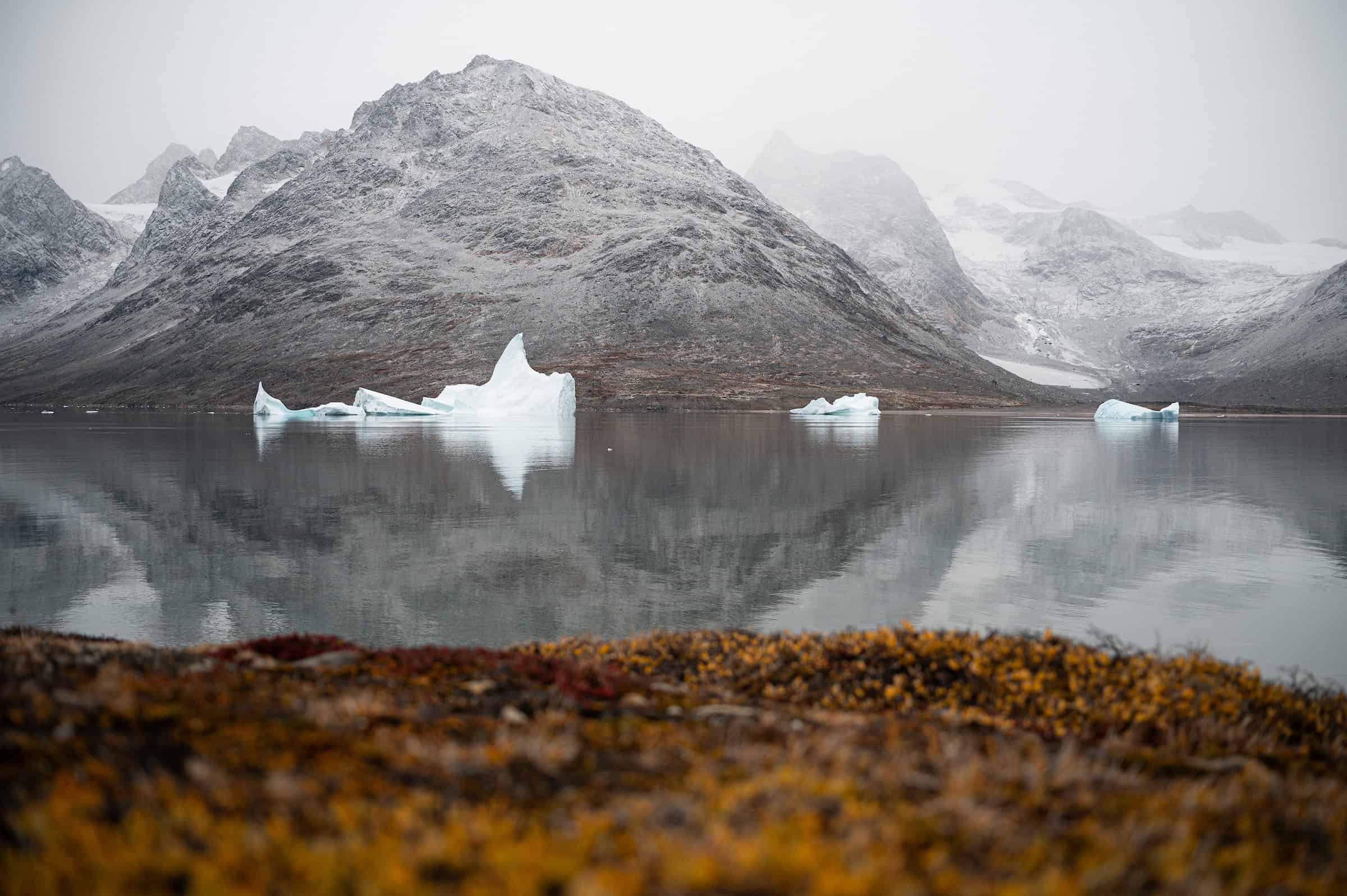
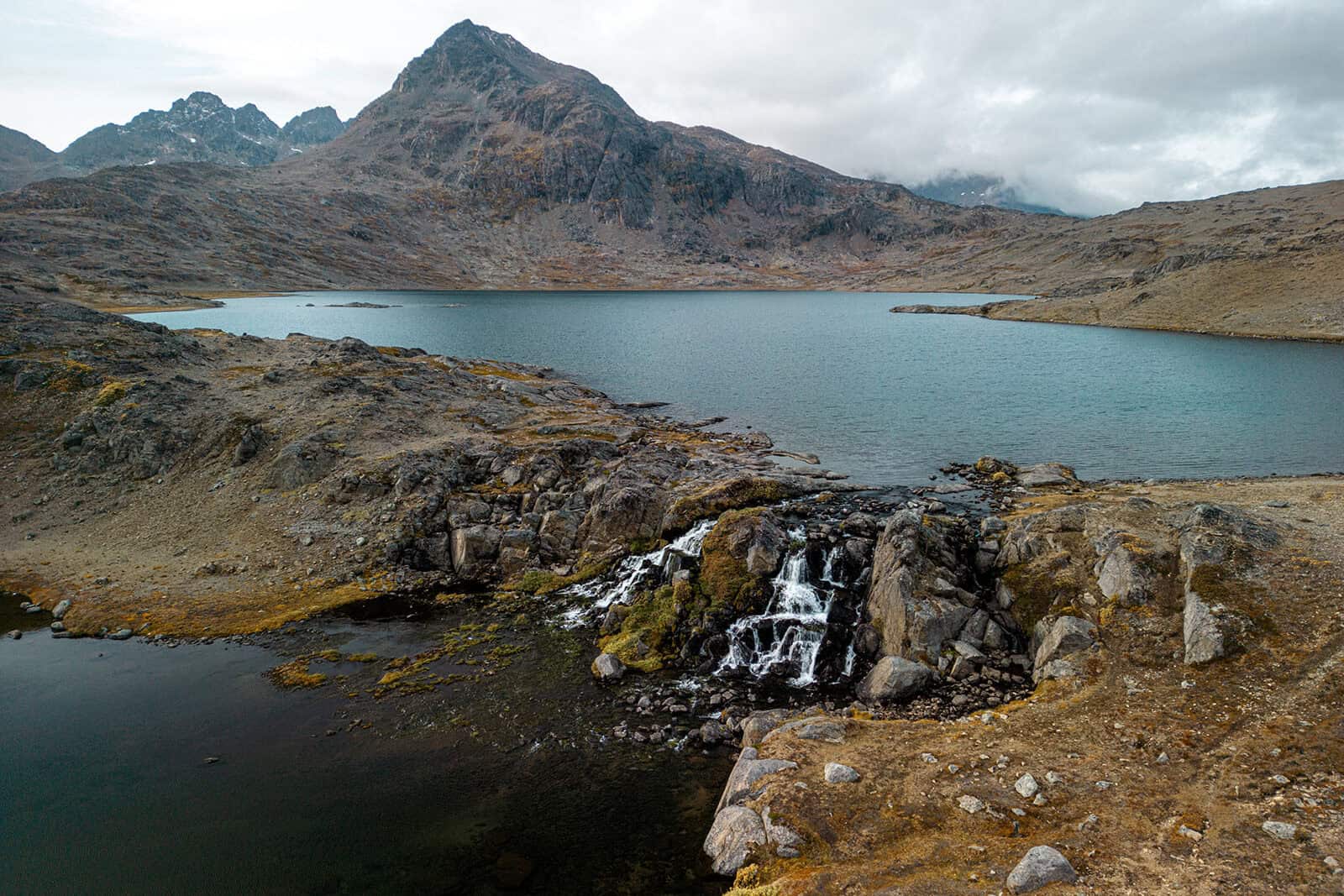
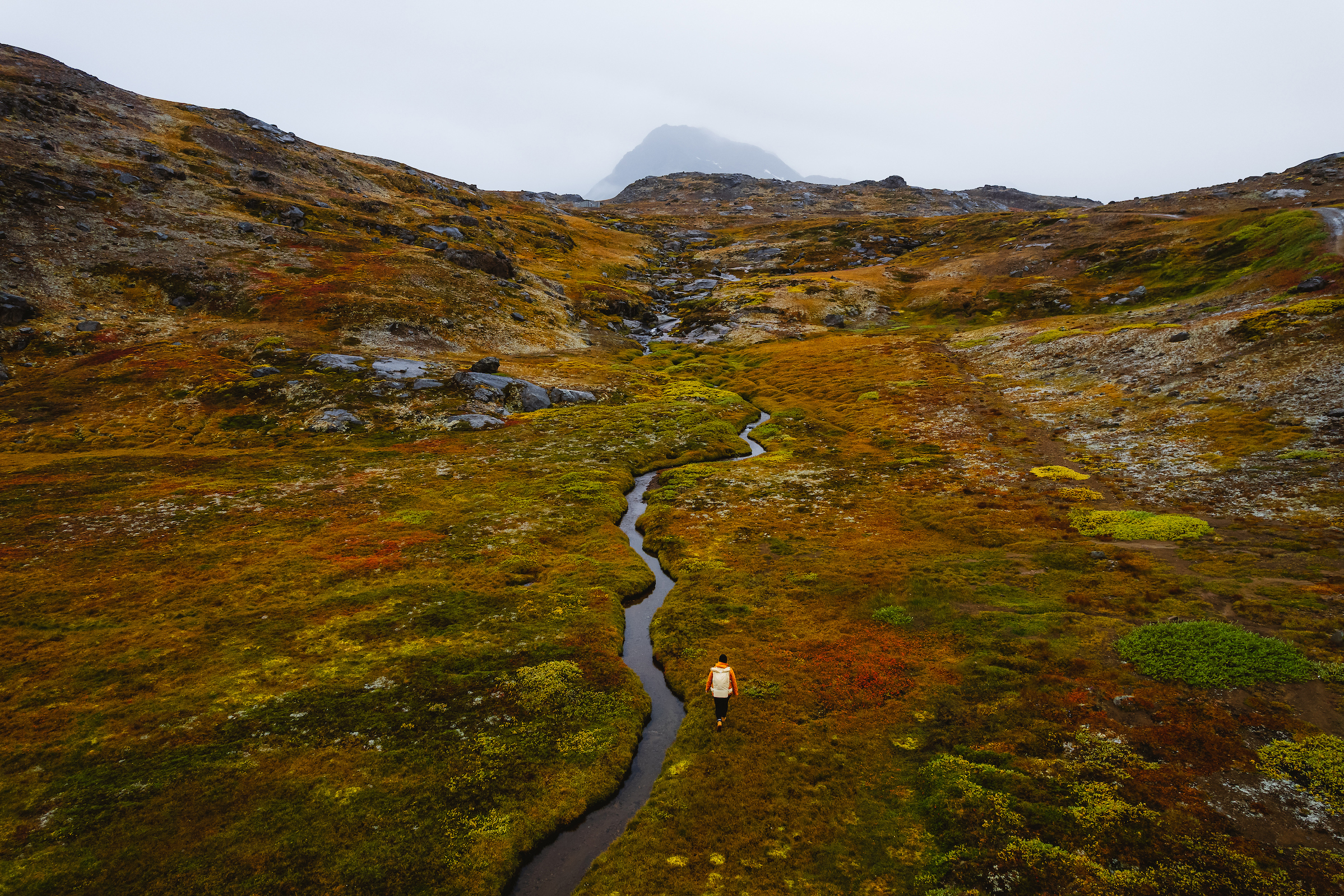
The mountains that stood bare under the summer sun begin to wear shadows like shawls. Valleys once bright with wildflowers now smoulder with autumn colour, deep reds of dwarf birch, rusting yellows of Arctic willow. Lakes mirror skies more often brushed with pastel clouds, and fjords grow moodier, more dramatic, as light stretches in long, cinematic angles. The golden hour begins to stretch; the days in East Greenland are still long enough for exploration, but the sun begins its descent along a noticeably lower arc. In coastal towns like Tasiilaq, it often slips behind the tall surrounding mountains well before the actual sunset, casting deep, cool shadows across the fjords while daylight still lingers above.
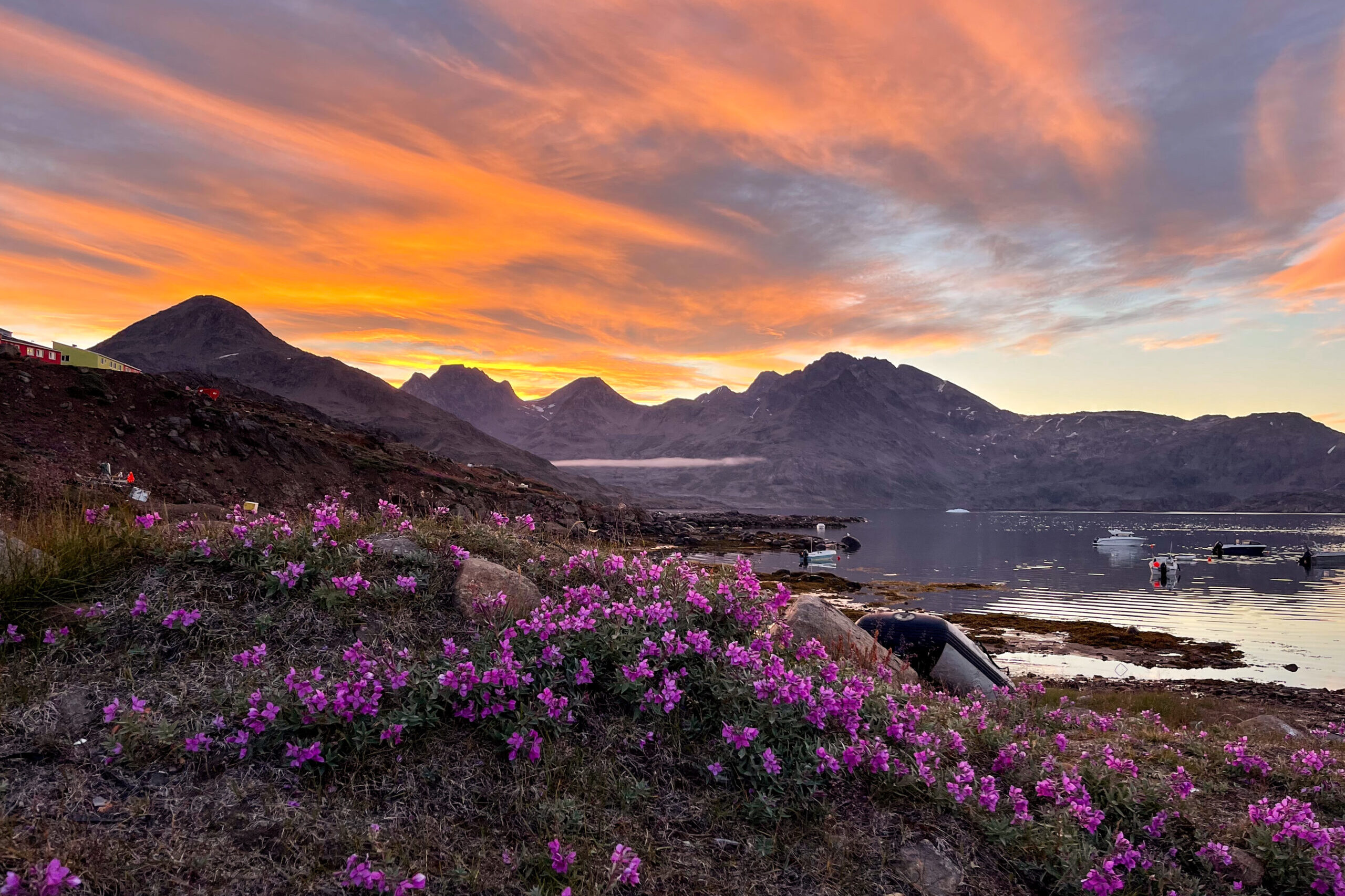
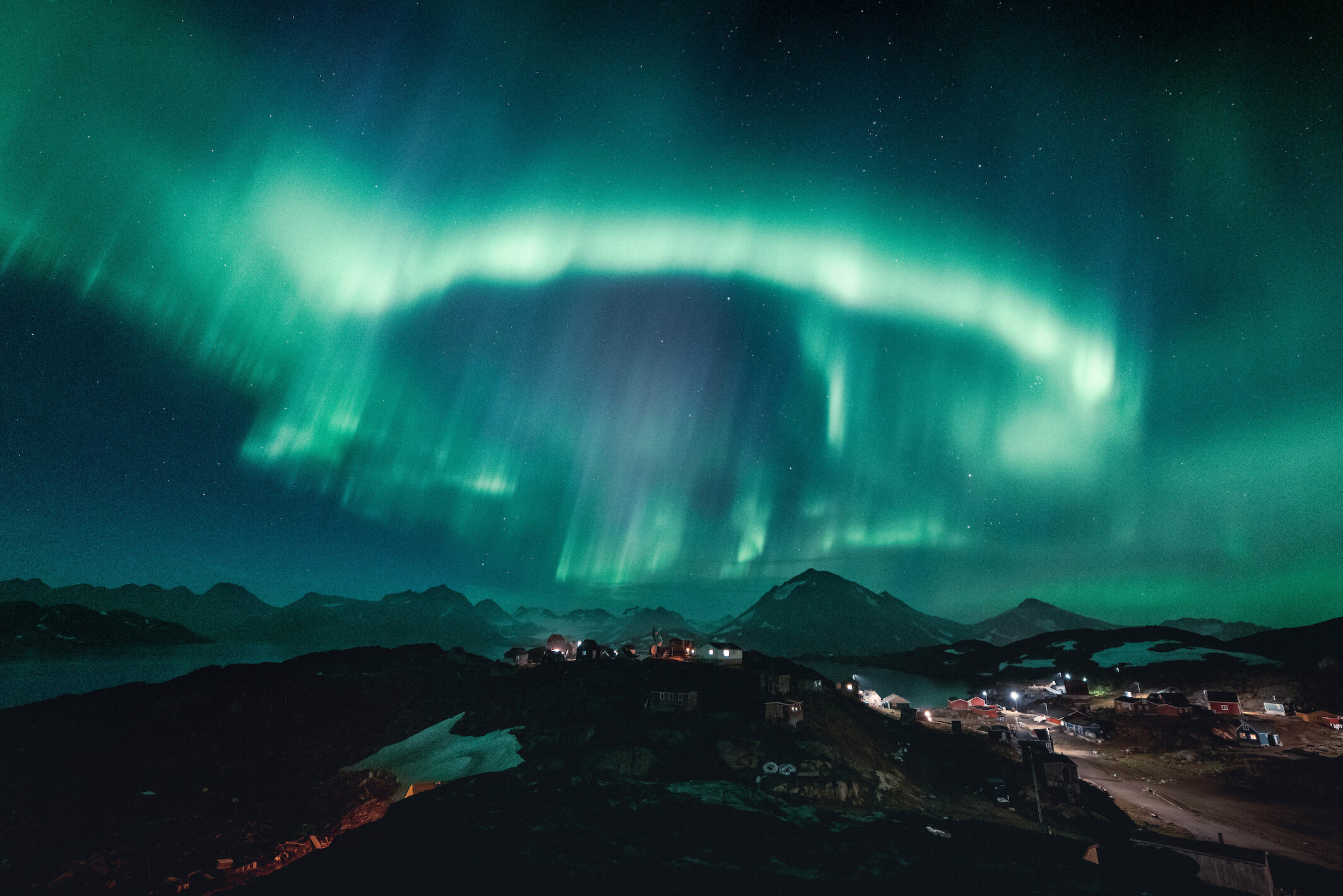
This creates a double spectacle: first, the quieting of the land as the sun disappears from view, and then the sky’s slow transformation into a painter’s palette of yellow, orange, pink, and deep purple. On calm evenings, these colours spill onto the water’s surface, turning the fjords into glowing mirrors and making September sunsets some of the most breathtaking of the year. September marks the start of the Northern Lights season. One night you’re kayaking under twilight skies; the next, you’re standing in your doorway watching green ribbons dance above the fjord.
The Colours of the Landscape
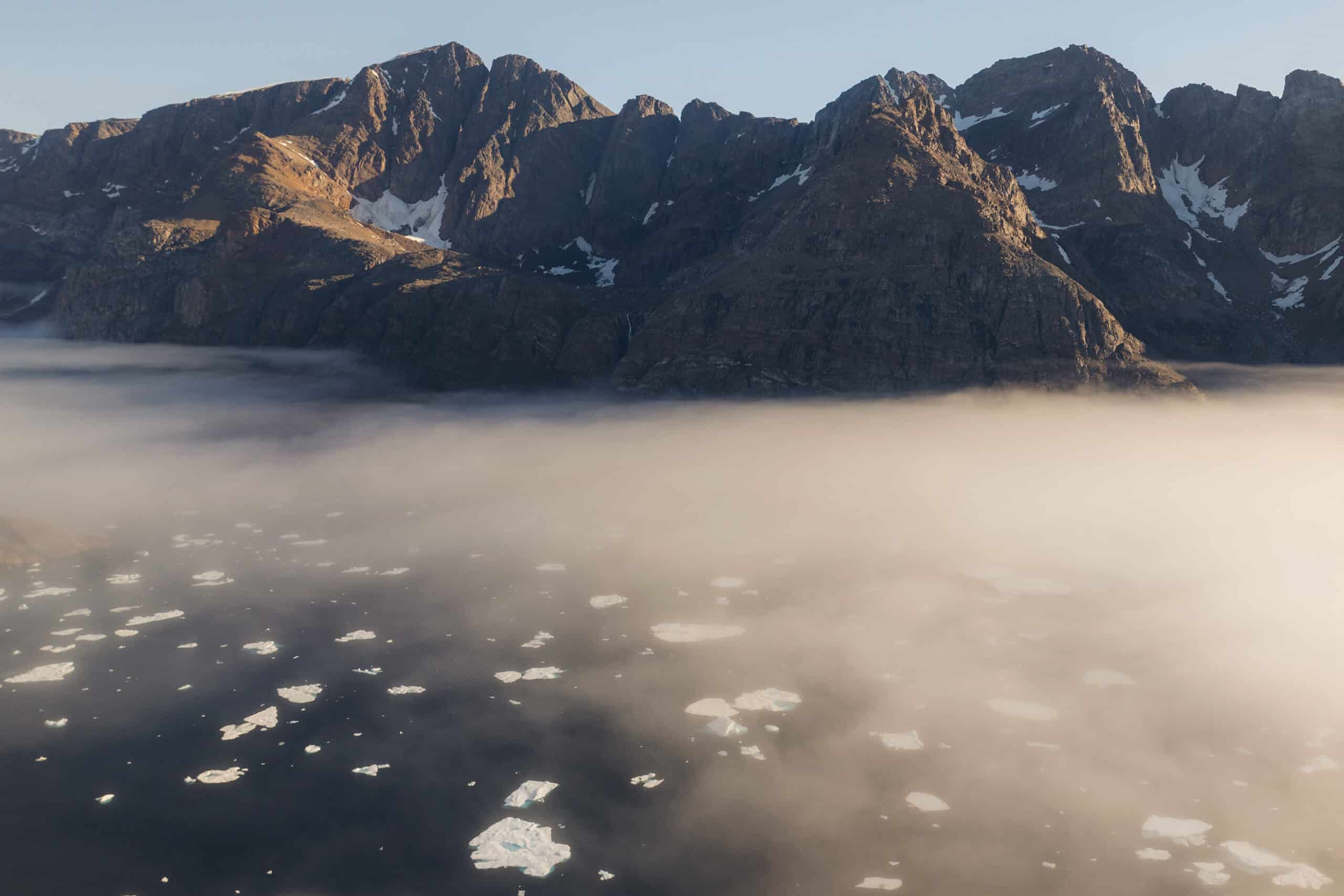
By September, the valleys and hillsides of East Greenland are transformed into a living canvas. Places like the Flower Valley in Tasiilaq, once carpeted in summer’s pinks, yellows, and purples, now shift into a fiery palette of orange, crimson, and deep russet, all layered over the soft greens of moss and lichen. Crowberries ripen on low shrubs, ready for harvesting, adding deep purple-black accents to the tundra’s autumn quilt. Even in the far north, in places such as Ittoqqortoormiit, nature’s autumn shades burn brightly against towering icebergs, their icy blues and whites reflecting the low Arctic light. The contrast is striking, warm, earthy tones against the frozen giants of the fjords.
The wildlife mirrors this change. Arctic char begin their upriver journeys in September, preparing for the spawning process in cold, clear waters. In the skies, birds gather in restless flocks: Arctic terns, geese, and waders staging for their long southbound migrations. Foxes grow thicker, warmer coats along the hillsides, readying themselves for the first snow. Out at sea, whales are still feeding in the fjords, their dark shapes surfacing against the glittering water. Some will soon leave for warmer waters, others will linger until the ice begins to form.

From Sea to Shore:
September’s Abundance
For the people of East Greenland, September is a month of preparation, getting ready for the long winter months ahead. It’s a prime period for hunting, fishing, and gathering, coming after the short, intense burst of summer. Crowberries reach peak ripeness, and families head into the hills to collect them for winter stores before the winter frost comes. In the rivers and coastal waters, trout, cod, and salmon are at their best. Seal hunting also takes on a seasonal flavour; locals say autumn seals taste richer as they prepare for the cold months ahead.
How to Feel the Season Swap
To truly experience September in East Greenland, you must let it sink into your senses. This is a month made for slowing down, for noticing the quiet shifts that signal the turning of the year. Feel the crispness of the morning air wrap around your face as you step outside, your breath hanging for just a moment before vanishing. In the valleys, the earth carries the fresh, earthy scent of rain, released from moss and tundra plants with every step. Underfoot, lichen cushions your boots, a spongy, ancient texture that reminds you this landscape has been alive for centuries. Listen for the wind as it changes direction across a fjord; in September, it often carries the cool promise of winter from the glaciers inland. And as the day draws to a close, watch the light stretch longer over the mountains, painting the sky in layers of yellow, orange, pink, and purple before giving way to the season’s first dark nights.
Plan Your Trip
Plan your East Greenland adventure, tapping into local knowledge, expert tips, and essential planning tools.

Towns & Settlements
Explore East Greenland’s quaint towns and remote settlements, discovering unique landscapes, rich culture, and rugged Arctic beauty.
Tour Providers
Once you’ve chosen your adventure, book your East Greenland journey through local operators or plan it independently.
Articles
Read through our curated articles about East Greenland, deepening your insight into its seasons, traditions, and wonders.
Resources
Discover East Greenland’s essential resources and planning tools, ensuring deeper insights, trusted guidance, and a fulfilling adventure.